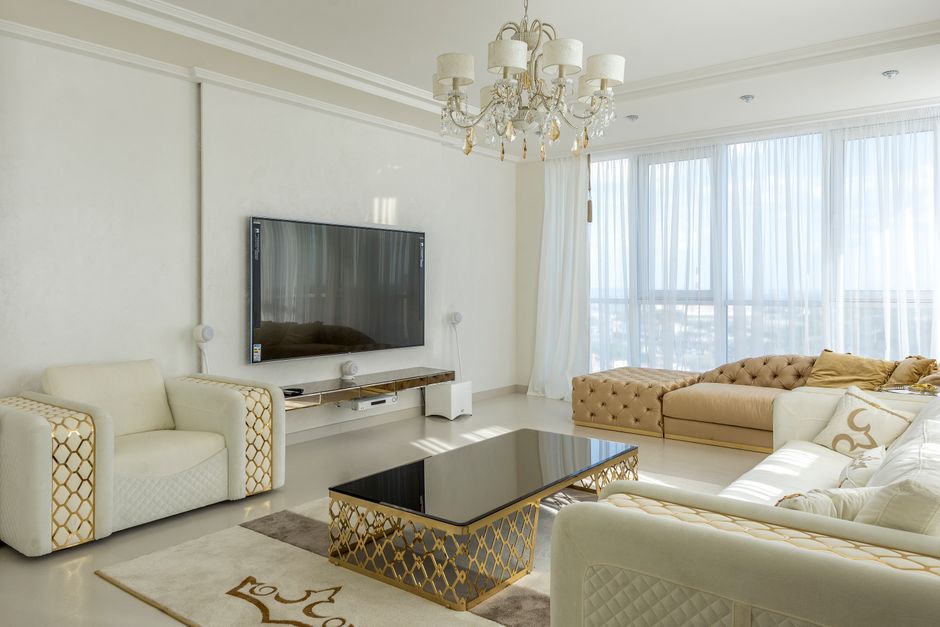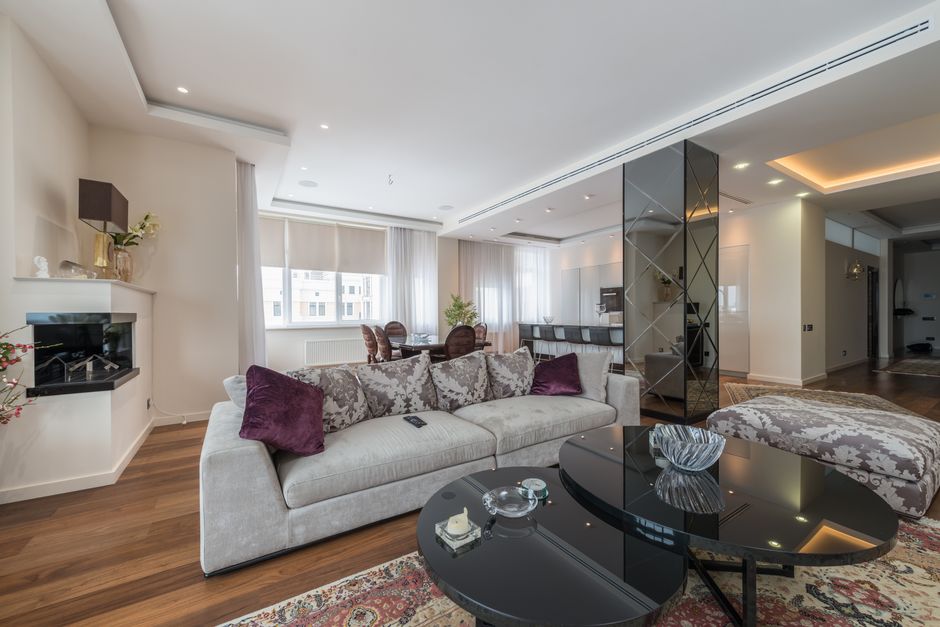
Imagine walking into your open plan living room, expecting a vast, airy space but instead feeling boxed in. It's a common issue in Nigerian homes, where space is often at a premium, and sometimes the layout doesn't live up to its promise. The open plan concept is designed to create a sense of openness and connection, yet when the obvious solutions don't work, it can be frustrating. So what do you do when your open plan living space feels more like a confining box rather than an expansive area?
Before you start knocking down walls or abandoning your current layout, it's crucial to understand the underlying issues that might be contributing to the cramped feeling. This guide dives into practical troubleshooting strategies to help you reclaim your space and make it feel as open and inviting as it should.
Rethink Your Furniture Arrangement
Optimizing Furniture Placement
One of the first steps is assessing how your furniture is arranged. Is it blocking pathways or cutting the room in half? Consider different configurations that open up the space.
- Floating Furniture: Move seating arrangements away from walls. This can create a sense of depth and flow.
- Divide with Rugs: Instead of bulky furniture, use area rugs to define spaces within the open plan. This maintains functionality without the visual clutter.
Choosing the Right Furniture
Sometimes it's not the placement but the furniture itself. Oversized pieces can overwhelm an open plan room.
- Multi-functional Pieces: Invest in furniture that serves more than one purpose, like a coffee table with storage.
- Scale and Proportion: Ensure furniture fits the scale of your room. Smaller pieces might give a more open feel.
Maximize Vertical Spaces
Utilizing Wall Space
When floor space is limited, look up. Vertical storage and decoration can draw the eye upwards, creating an illusion of space.
- Wall-mounted Shelves: These keep the floor clear and can be used for both storage and display.
- Tall Bookshelves: A tall bookshelf can lead the eye upwards and make the ceiling feel higher.
Decorative Elements
Consider vertical art or mirrors to enhance the perception of space.
- Mirrors: Strategically placed mirrors can reflect light and add depth.
- Art Arrangements: Vertical art collections can draw attention upward.
Light and Color Play a Crucial Role
Lighting Solutions
Lighting can dramatically change how a space feels. Natural and artificial lighting both play essential roles.
- Layered Lighting: Use a mix of overhead, task, and ambient lighting to create a warm and inviting atmosphere.
- Natural Light: Keep windows unobstructed to maximize natural light.
Color Choices
Colors affect mood and perception of space. Consider your palette carefully.
- Light Colors: Opt for lighter shades to make the space feel larger and more open.
- Accent Walls: A well-placed accent wall can draw attention and add depth.
Decluttering and Smart Storage Solutions
Efficient Decluttering
Clutter can quickly make a space feel cramped. Regularly evaluate and declutter.
- Regular Sweeps: Set a schedule for decluttering to keep things in check.
- Sentimental Items: Display a few meaningful items rather than many small ones.
Creative Storage Options
Innovative storage solutions can keep clutter at bay without sacrificing style.
- Built-in Storage: Opt for built-in solutions that blend with the design.
- Hidden Storage: Furniture with hidden storage options keeps the area tidy.
"A well-designed open plan living space should feel both functional and expansive. With the right strategies, even the smallest rooms can feel airy and inviting."
Mind Your Zoning
Defining Different Zones
Understanding and creating functional zones can help make better use of your open plan space.
- Natural Dividers: Use plants or open bookshelves to subtly define areas.
- Functional Focus: Designate areas for specific activities like dining, entertainment, and work.
Maintaining Flow Between Zones
Ensure that each zone flows into the next without disrupting the overall harmony.
- Consistent Themes: Use consistent color schemes or textures to maintain cohesion.
- Pathways: Clear and unobstructed pathways ensure easy movement.
Conclusion
Creating an open, airy feel in your open plan living room doesn't necessarily mean knocking down walls or spending a fortune. By rethinking your furniture arrangement, maximizing vertical spaces, playing with light and color, decluttering, and smart zoning, you can transform a cramped space into a welcoming haven. Remember, the goal is to create a space that not only looks good but works for your lifestyle. With these practical solutions, your open plan living room can finally become the spacious retreat you envisioned.