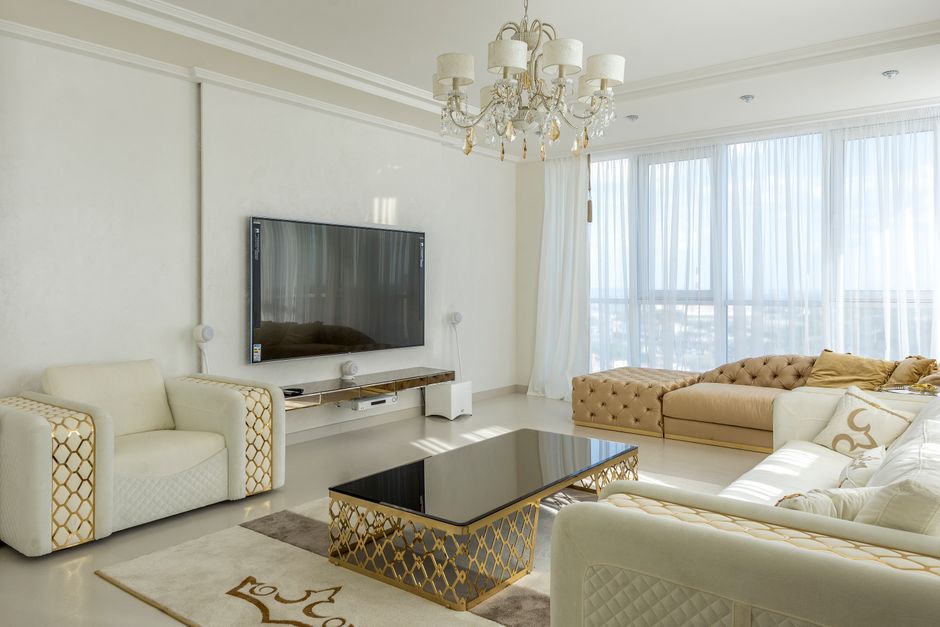
Overcrowding is a common mistake when decorating homes. It’s easy to fall into the trap of adding too much furniture or décor, making your living space feel cramped and uncomfortable. This issue is particularly prevalent in urban areas of Nigeria, where living spaces can be limited. Fortunately, there are effective ways to resolve this problem, creating an inviting and functional environment.
Imagine walking into a room where you can barely move without bumping into something. This is not just inconvenient; it can also increase stress levels and hinder productivity. The goal of home décor should be to create a harmonious balance between aesthetics and functionality. This balance is achievable with thoughtful planning and smart space management.
Understanding the Core Problem
Recognizing Overcrowding
The first step in addressing overcrowding is recognizing it. Do you find yourself shuffling around furniture to make space? Is every surface covered with items? If so, your room is likely overcrowded.
According to interior designers, a room should have enough space for easy movement and a comfortable visual flow. This means not just space to walk, but also space to allow the eyes to rest without feeling overwhelmed by clutter.
The Impact of Overcrowding
Overcrowding doesn’t just affect aesthetics; it also impacts mental well-being. Cluttered spaces can lead to increased levels of stress and anxiety. Studies have shown that clutter can distract us, increase cognitive overload, and reduce our ability to focus.
"A cluttered space is a cluttered mind," says interior designer Taiwo Ojo.
Effective Space Management Strategies
Decluttering: The First Step
Begin with a thorough decluttering session. This involves evaluating each item in the room and deciding whether it truly adds value. Ask yourself if you’ve used the item in the past year or if it holds significant sentimental value.
- Start Small: Focus on one area at a time, such as a bookshelf or a cabinet. This prevents the task from becoming overwhelming.
- Use the Three-Box Method: Label three boxes as "Keep," "Donate," and "Trash." This will help in organizing items more efficiently.
Smart Furniture Arrangement
Arrange your furniture to maximize space. Consider the room’s focal point, such as a fireplace or a large window, and arrange seating to complement it. Avoid pushing all furniture against the walls, as this can make a room feel unbalanced.
In Lagos apartments, where space can be particularly tight, consider multifunctional furniture like sofa beds or ottomans with storage. These pieces save space and add functionality.
Visual Tricks to Enlarge Space
Use mirrors strategically to create an illusion of more space. Placing a large mirror opposite a window can reflect light and make the room appear brighter and more spacious.
- Light Colors: Opt for light, neutral colors for walls and large furniture pieces to open up the space visually.
- Vertical Space: Utilize vertical storage solutions like tall bookshelves to draw the eye upward and free up floor space.
Creating a Balanced Room Layout
Defining Zones
In multifunctional rooms, it’s crucial to define zones for different activities. Use rugs to delineate areas, such as a reading nook or a dining space. This helps in organizing the room without walls.
Maintaining Proportion
Ensure that furniture is proportional to the space. Avoid oversized pieces in small rooms. Instead, choose sleek, streamlined furniture that complements the room’s size and shape.
"Proportion is key to creating a balanced and harmonious space," advises decorator Nkechi Ajayi.
Final Thoughts
Avoiding overcrowding in your living space requires a mindful approach to decorating. By decluttering, arranging furniture wisely, and using visual tricks, you can create a room that feels open and inviting. Remember, a well-organized space not only looks better but also contributes to a more peaceful and productive environment.