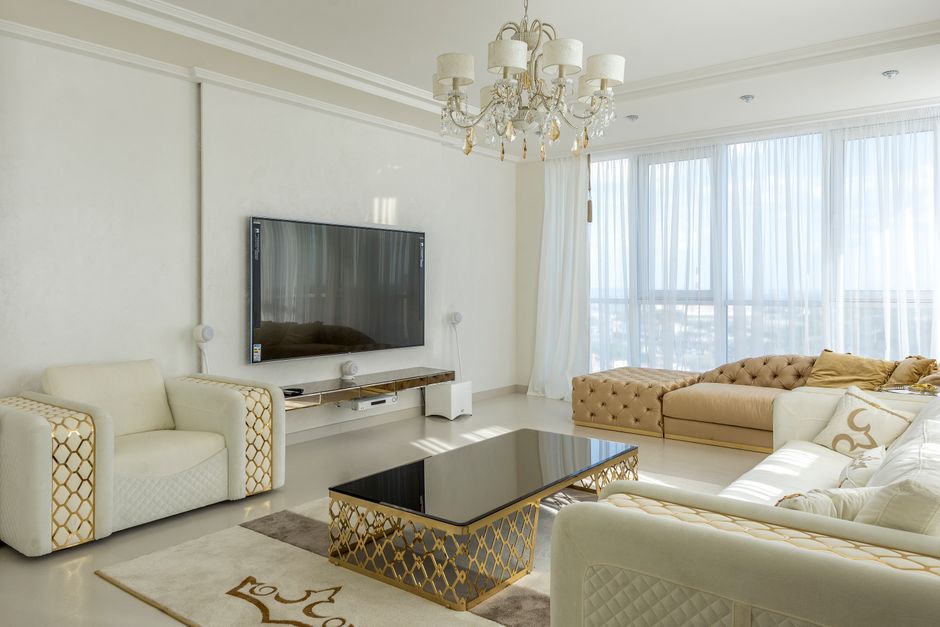
Imagine walking into your living room and feeling immediately at ease. The space is inviting, functional, and most importantly, free from clutter. For many, this seems like a distant dream. Overcrowding is a common mistake that homeowners make, especially in living rooms where we often cram too much furniture and decor. The result? A cramped space that feels more like a storage unit than a relaxing haven.
In Nigerian homes, where family gatherings and social visits are a part of life, the living room's layout can significantly impact how we enjoy our time and interact with guests. Yet, despite its importance, the layout is often overlooked. Let's delve into why overcrowding is a pitfall and how to fix it, ensuring your living room becomes a space of comfort and style.
Understanding the Overcrowding Issue
Before we jump into solutions, it’s crucial to understand why overcrowding happens. Often, it's a result of trying to fit too much furniture into a space without considering the room's flow.
Why We Overcrowd
- Sentimental Attachments: We hold onto furniture and decor for sentimental reasons, making it hard to part with pieces that don't fit.
- Fear of Emptiness: The fear of having too much empty space leads to over-purchasing and over-stuffing.
- Improper Planning: Many do not plan their space before purchasing furniture, leading to mismatched and oversized pieces crowding the room.
Recognizing these habits is the first step toward creating a balanced space.
How to Identify Overcrowding
Sometimes, it’s not obvious that your living room is overcrowded. Here’s how you can identify the issue.
Space Movement
Walk around your living room. Do you have to maneuver around furniture constantly? If your path feels like an obstacle course, overcrowding is likely an issue.
Visual Clutter
Stand in the center of the room and slowly spin around. Are your eyes darting to multiple focal points? Too many items competing for attention can make the space feel smaller than it is.
Takeaway: A living room should have a clear path for movement and one or two focal points to keep it visually appealing.
Strategies to Fix Overcrowding
Now that you know how to spot overcrowding, let’s talk solutions. Fixing your layout is entirely possible with a few strategic moves.
Re-evaluate Your Essentials
Take a critical look at every piece of furniture. Ask yourself if it serves a purpose or if it's more decorative than functional.
- Dual-Purpose Furniture: Invest in pieces that serve more than one function, like a sofa bed or an ottoman with storage.
- Remove Redundancies: Do you need two coffee tables? Perhaps one can serve as both a coffee table and a side table.
Create Zones
Dividing your space into zones can create a sense of order and purpose.
- Sitting Area: Arrange seating to facilitate conversation. A U-shape or L-shape can make the space inviting.
- Entertainment Zone: Limit this area to essential items like the TV stand and essentials. Avoid turning it into a storage area.
By segmenting your space, you make it easier to manage and maintain.
Choosing the Right Furniture
Furniture selection plays a significant role in managing space effectively. Consider these factors when choosing pieces for your living room.
Proportion and Scale
A large sectional might look appealing, but if it overwhelms the space, it’s not the right choice.
- Measure Before Buying: Always note the room dimensions and take measurements when shopping for furniture.
- Consider Visual Weight: Opt for furniture with legs, as lighter pieces create an illusion of more space.
Color and Light
Color can deeply impact how spacious a room feels.
- Light Colors: Choose neutral or light tones to make the space feel open and airy.
- Bright Accents: Use bright colors sparingly to add personality without overwhelming the senses.
Accessorizing Mindfully
Decor is the icing on the cake. But too much icing can ruin the cake!
Less is More
Be intentional with your decor choices. Opt for a few impactful pieces that enhance the room’s personality.
- Artwork: Choose a single large piece or a curated gallery wall.
- Plants and Greenery: Use plants to bring in nature and life, but avoid turning your home into a jungle.
Quality over quantity should be your mantra when accessorizing.
Final Thoughts
Your living room is more than just a space; it's a reflection of your lifestyle and preferences. By avoiding overcrowding, you ensure that it remains inviting and functional. Remember, it's not about how much you have, but how well you can use what you have to create a space that feels like home.