You've spent hours planning your gallery wall, laying out each piece with care and anticipation. Yet, when you step back to admire your work, something feels... off. You're not alone. Many home decorators face this challenge, especially when the obvious approach to arranging art and photos doesn't deliver the desired impact.
A gallery wall can be a stunning focal point in your home, adding personality and depth to your space. But getting it right can sometimes become a puzzle when the results don't match your vision. Whether it's uneven spacing, clashing colors, or a lackluster layout, identifying the source of the problem is key to achieving gallery wall perfection.
This guide will delve into common gallery wall mishaps and offer troubleshooting tips when the usual tactics aren't cutting it. Let's explore how to transform your wall from drab to fab with some practical advice and a fresh perspective.
Identifying the Issue: What's Not Working?
Uneven Spacing and Alignment
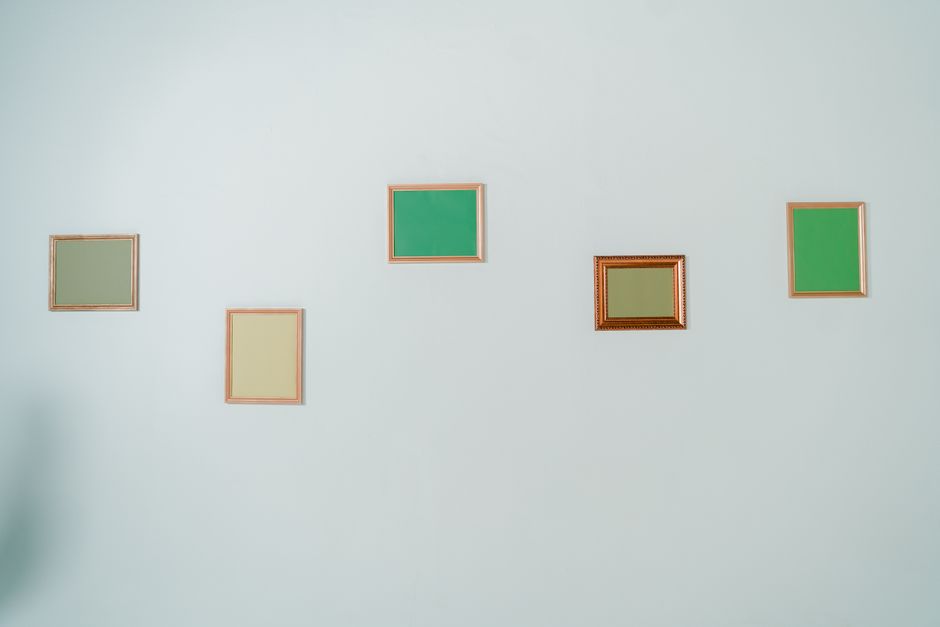
One of the most common issues with gallery walls is uneven spacing and alignment. This can make the display look unpolished and chaotic. Start by using painter's tape to mark the layout on your wall. This allows you to adjust spacing and alignment before committing to nail holes.
- Use a level to ensure horizontal lines are straight.
- Consider a grid format if you want a more structured look.
- Test different spacings with paper templates to find the most appealing setup.
A small investment in a laser level could save you time and frustration, ensuring your lines are perfectly straight without needing a second pair of hands.
Mismatched Frames and Art Styles
If your gallery wall feels disjointed, it might be due to mismatched frames and art styles. While eclectic designs can be charming, they require a balancing act.
- Choose a unifying element, like similar frame colors or styles.
- Mix different sizes and shapes, but maintain a cohesive theme or color palette.
- Include a few larger anchor pieces to ground the gallery.
Think of your wall as a story where each piece contributes to the overall narrative. Consistency in some aspect, be it theme or color, ties everything together.
When Size Matters: Scaling Your Art
Proportions and Balance
Another common hurdle is getting the proportions right. Large art pieces can overwhelm a small space, while tiny frames may get lost on a vast wall.
Consider the size of your wall and furniture when choosing art. A good rule of thumb is to fill two-thirds to three-quarters of the wall space above a piece of furniture.
"Art should complement the space it occupies, not compete with it."
For large walls, don't shy away from oversized art. Alternatively, a series of smaller pieces can be arranged to mimic the impact of a larger work.
Mixing Media: Beyond Paintings
Gallery walls need not be restricted to traditional paintings or photographs. Mixing media can add interest and texture to your display.
- Incorporate mirrors, sculptures, or textiles for variety.
- Use shadow boxes to display 3D items like heirlooms or collectibles.
- Consider wall-mounted planters for a touch of greenery.
These elements can add depth and dimension, making your gallery wall a dynamic and inviting focal point.
Color Coordination: Achieving Harmony
Clashing Colors and Themes
Color plays a pivotal role in the success of your gallery wall. Clashing colors can distract from the art itself.
If your wall feels chaotic, try limiting your color palette. Choose two or three dominant colors and select art that complements these hues.
- Use a color wheel to find complementary or analogous colors.
- Introduce a few neutral pieces to create breathing space.
- Apply the 60-30-10 rule: 60% dominant color, 30% secondary color, and 10% accent color.
Remember, the goal is to enhance the room's overall aesthetic without overpowering it.
Lighting the Way
Improper lighting can dull the impact of even the most well-curated gallery wall.
Ensure your wall is well-lit to highlight your pieces. Consider using track lighting, picture lights, or strategically placed floor lamps to cast the right glow.
- Adjustable lighting allows you to highlight specific pieces.
- Use warm bulbs to create an inviting atmosphere.
- Natural light can also enhance your display, but be wary of direct sunlight that can cause fading.
Personalizing Your Gallery: Adding a Touch of You
Injecting Personal Stories
Your gallery wall should reflect your personality and interests. If it feels impersonal, incorporate elements that tell your story.
- Include personal photographs or art you’ve created.
- Display pieces from travels or items with sentimental value.
- Mix in personal memorabilia or quotes that inspire you.
The goal is to create a space that feels authentic and meaningful to you.
Creating an Interactive Experience
Invite interaction by creating a gallery wall that evolves.
- Regularly rotate pieces to keep the display fresh.
- Incorporate chalkboard or whiteboard elements for notes or doodles.
- Allow room for new additions, leaving space to grow.
This dynamic approach ensures your gallery wall remains a living, breathing reflection of your journey and style.
Conclusion
Creating the perfect gallery wall might seem daunting, but with the right approach, it can transform your space into a striking visual narrative. By troubleshooting common issues and applying creative solutions, you can craft a gallery wall that is not only aesthetically pleasing but also uniquely yours. Embrace the process, and don't be afraid to make bold choices. Your walls are a canvas, waiting for your story to unfold.