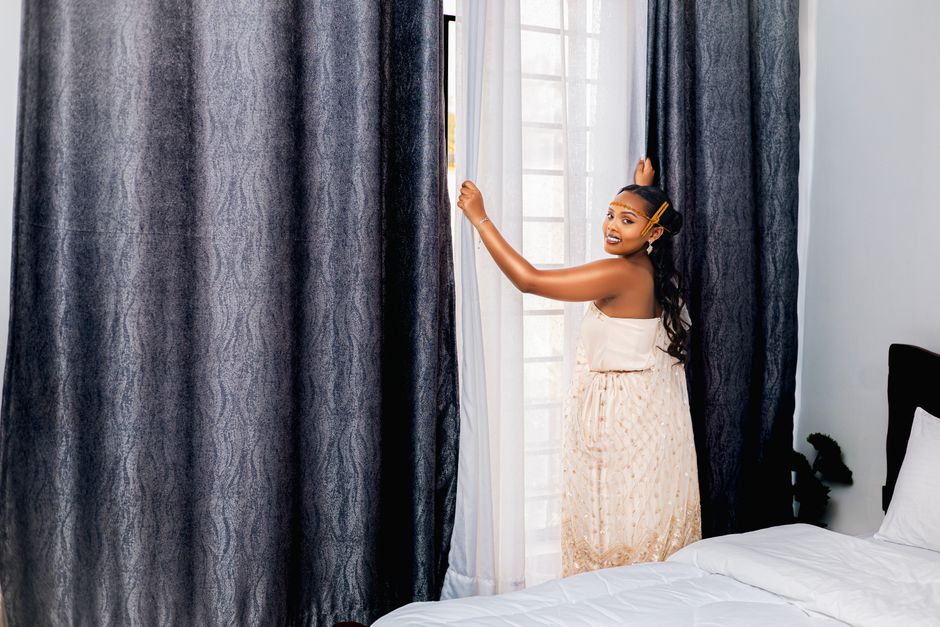
You’ve finally found the perfect curtains to complement your living room, but something isn’t quite right. They’re drooping, uneven, or just don’t seem to hang the way you envisioned. Sound familiar? Don’t reach for the return slip just yet. Before you give up on those lovely panels, let’s explore some troubleshooting techniques that might solve your curtain conundrum.
Many homeowners in Nigeria face similar challenges when trying to create the perfect ambiance with their curtains. It’s not just about selecting the right fabric or color. The devil is in the details, and oftentimes, it’s the small mistakes that lead to big frustrations.
In this guide, we’ll delve into common mistakes people make when hanging curtains. More importantly, we’ll provide practical solutions to ensure your curtains look stunning and serve their purpose effectively.
Check Your Curtain Rod
First things first, consider the curtain rod itself. If your curtains aren’t hanging right, the rod could be the culprit.
Is the Rod Level?
Uneven curtains might not be your fault at all. Check if your curtain rod is level. Use a spirit level to ensure it’s straight. Even a slight tilt can cause one side of the curtains to hang lower than the other.
Is the Rod Strong Enough?
If your curtains are drooping in the middle, the rod might be too flimsy for the weight of the fabric. Opt for a sturdier rod, especially if you’re using heavy drapes. A rod with a center support bracket can also prevent sagging.
Are the Brackets Secure?
Ensure that the brackets holding the rod are properly secured to the wall. Loose brackets can cause the rod to shift, resulting in uneven curtains.
Evaluate the Curtain Length
Length matters more than you might think. Curtains that are too long or too short can throw off the entire look.
Too Long
If your curtains pool on the floor, it might be time for a hem job. Measure twice and cut once, as the saying goes. Or, consider curtain rings that allow you to adjust the height slightly.
Too Short
Curtains that hover awkwardly above the floor can look unfinished. Try lowering the rod or using longer curtain rings to add a bit of length.
Uneven Lengths
Uneven lengths can be due to uneven floors or improperly sewn hems. In such cases, custom hemming might be required to ensure the lengths are consistent.
Inspect the Curtain Fabric and Style
Sometimes, the fabric or style of the curtains can contribute to how they hang.
Fabric Weight
Heavier fabrics require more robust curtain rods and might need additional support. Lightweight fabrics can be more flexible but may not hang as smoothly as heavier ones without proper weight distribution.
Style and Pleating
Different styles require different hanging methods. For instance, pleated curtains need to be hung in a way that allows the pleats to fall naturally. This might mean using hooks instead of sliding them directly onto the rod.
Consider the Hanging Method
From rings to hooks, the way you hang your curtains can make a difference.
Using Curtain Rings
Curtain rings offer flexibility and easy movement. Ensure they’re spaced evenly and are the right size for your rod.
Hooks and Clips
These can be great for heavier drapes, but ensure they’re attached at even intervals. Uneven clips will cause the fabric to hang inconsistently.
Final Thoughts
Don’t let curtain woes mar your home’s aesthetic appeal. By checking the rod, evaluating length, inspecting fabric, and considering different hanging methods, you can solve most common curtain problems. Remember, it’s not always the obvious solution that works but rather a combination of adjustments that will have your curtains hanging perfectly in no time.