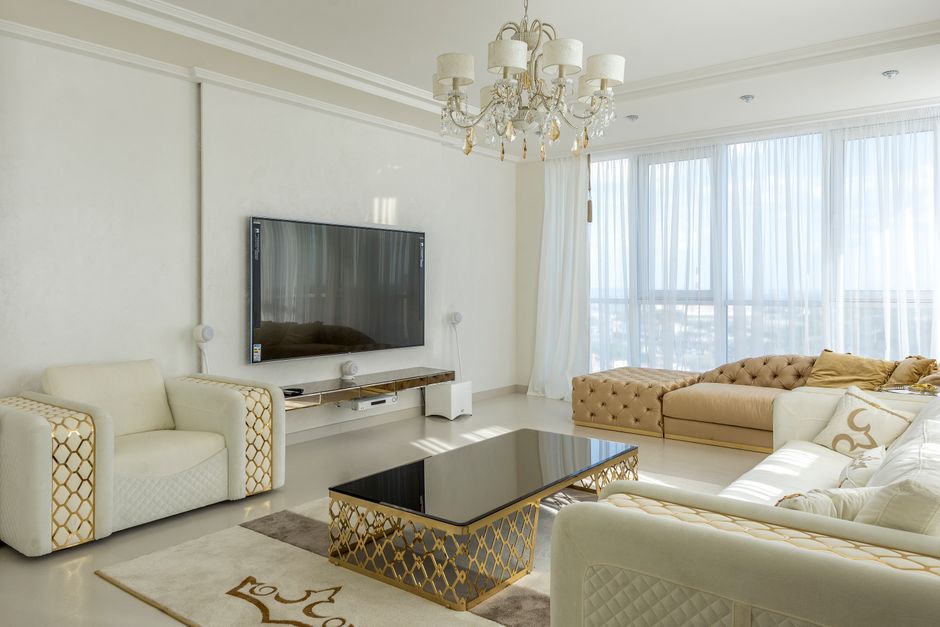
It all began on a balmy Saturday morning in Lagos, when I stood in my uninspiring living room and realized it lacked a piece of me. The white walls felt sterile, and the single brown leather sofa sat like a solitary giant in a barren desert. I knew I needed to breathe life and color into this space, and that’s when the idea struck me: local art. I had always admired the vibrant paintings at the Lekki Art Market but had never considered integrating them into my decor.
It's not just about buying art pieces, it's about creating a space that tells a story. And what better way to narrate my own journey than with art that echoes the rich culture of Nigeria?
Discovering the Right Art
The first step in my journey was exploring different art vendors around Lagos. I made a list of places I had visited before and new ones to explore. The Lekki Art Market topped my list, followed by Nike Art Gallery and Terra Kulture.
Finding Inspiration at Lekki Art Market
Walking through the Lekki Art Market was like stepping into a kaleidoscope of colors. There were vibrant canvases, intricately carved wooden sculptures, and bold textiles. I was particularly drawn to a piece by a young artist, Tunde. His work depicted bustling Lagos streets in vivid hues, capturing the city’s dynamic spirit.
After a long discussion with Tunde about his inspiration and color choices, I decided to purchase his painting. It was the perfect centerpiece to start my transformation.
Nike Art Gallery: A Treasure Trove
Nike Art Gallery is a must-visit for any art lover. The sheer volume of art housed in this gallery is overwhelming, yet exhilarating. On my visit, I stumbled upon a series of smaller paintings that depicted traditional Nigerian festivals. These were perfect for creating a gallery wall.
- Traditional Festival Series by Segun
- Abstract pieces that complemented Tunde’s work
- Small sculptures for the coffee table
Creating the Perfect Wall Layout
With artworks in hand, the next challenge was arranging them. I wanted to create a gallery wall that was both striking and personal. The living room had one prominent wall that could accommodate the paintings. I decided to make it the focal point.
Designing the Layout
I laid out all the pieces on the floor first. This allowed me to visualize different configurations. I experimented with symmetrical and asymmetrical designs, finally settling on a loose grid pattern. This gave a sense of organized chaos that mirrored my personality perfectly.
"A room should feel collected, not decorated." - Albert Hadley
With this quote in mind, I began nailing each piece to the wall, starting with Tunde's large painting in the center.
Accessorizing to Complement the Art
Art alone wasn't enough to complete the transformation. I needed accessories that would tie the room together. I ventured to Balogun Market to find textiles that would enhance the new color palette of the room.
Selecting Textiles and Accessories
I chose an Ankara fabric throw to drape over the sofa and a few bright cushions to add pops of color. A handwoven Yoruba basket became a stylish storage solution, adding texture and dimension to the room.
Finally, a vintage lamp from a thrift store provided the perfect ambient lighting, completing the cozy atmosphere I desired.
Embracing the Transformation
Sitting in my transformed living room, I felt an overwhelming sense of satisfaction. The room now told a story, my story, through art and culture. Each piece brought a new dimension to the space, making it feel alive and inviting.
This personal case study taught me the importance of personalization in home decor. By integrating local art, I not only supported local artists but also brought a piece of the community into my home.
Final Thoughts
Transforming my living room with local art was more than just a design choice; it was a journey into the heart of Nigerian culture. I encourage anyone looking to refresh their space to explore local art. It’s a way to add personal touches that reflect your unique style and story. Plus, it’s a wonderful opportunity to support local talent and keep cultural traditions alive.