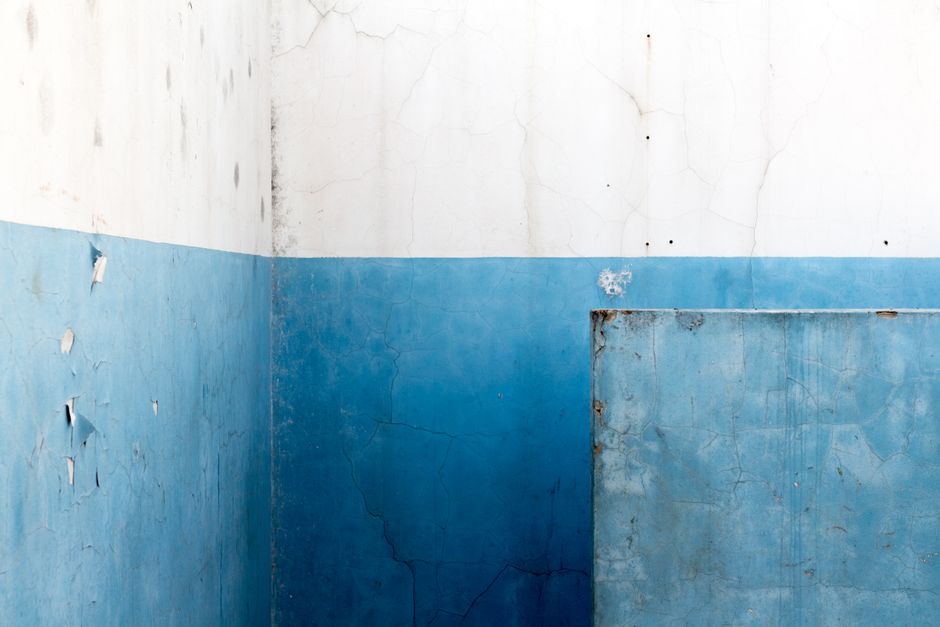
You're standing in your living room, admiring the paint job you completed just a few months ago. You followed every instruction and used high-quality paint, yet your walls are peeling. It's a common frustration that many homeowners in Nigeria face, especially with the humidity and various environmental factors. So, what do you do when the obvious approach isn't working?
Peeling paint can be a decor nightmare, leaving you questioning your DIY skills or even the products you're using. Often, the issue isn't about the quality of the paint or the technique but rather some overlooked factors that could be easily addressed with a little insight. Today, we're digging into the less obvious reasons your wall paint might be peeling and how to solve them.
We'll explore unconventional solutions that have proven successful, even when traditional methods fail. From checking your home's ventilation to exploring alternative painting techniques, this guide is your go-to for tackling this persistent problem.
Understanding the Underlying Causes
Moisture and Humidity
One of the leading causes of peeling paint in Nigerian homes is excessive moisture. Given the tropical climate, moisture can easily seep into your walls, causing the paint to lose its grip. The key is addressing this issue at its source.
- Check for leaks: Inspect your roof and plumbing for any signs of leakage. Even a small leak can lead to significant moisture buildup in your walls.
- Improve ventilation: Ensure your home has adequate ventilation. Consider installing exhaust fans or using dehumidifiers in particularly damp areas.
Poor Surface Preparation
Preparation is crucial before the first coat of paint even touches your wall. Many people underestimate the importance of this step, focusing instead on the application itself.
- Thorough cleaning: Remove dirt, grease, and old paint residues from your walls. A clean surface ensures better adhesion.
- Sanding: Sanding smooths out rough spots and increases the surface area for the paint to adhere to.
Exploring Alternative Solutions
Different Types of Primers
Standard primers work well for most situations, but if you're facing persistent peeling, it might be time to experiment with different types.
- Oil-based primers: These can be more effective in blocking stains and resisting moisture compared to water-based options.
- Shellac primers: Known for their strong sealing properties, shellac primers can offer a lasting solution to moisture problems.
Advanced Painting Techniques
If regular painting techniques aren't doing the trick, consider alternative methods that might provide better results.
- Multiple thin coats: Applying several thin coats instead of a single thick one can enhance durability and reduce peeling.
- Back rolling: This technique involves rolling the paint after it has been sprayed on, helping it adhere and penetrate the wall surface more effectively.
Innovative Products and Tools
Anti-Peel Additives
Recent innovations in paint technology have led to additives that can significantly reduce peeling.
- Peel Stopper: This additive can be mixed with your paint to create a more robust bond with the wall.
- Sealant sprays: Applied before or after painting, these sprays can provide an additional layer of protection against moisture.
Using Quality Tools
Sometimes, the tools you use can make a significant difference in the final outcome.
- High-quality brushes and rollers: Invest in good tools to ensure even application and better adherence.
- Paint sprayers: For large areas, a paint sprayer can apply an even coat more efficiently than manual tools.
Consulting Professionals
When to Seek Professional Help
If you've tried everything and still face peeling issues, it might be time to bring in the experts.
- Professional assessment: A professional can identify problems that might not be apparent to the untrained eye.
- Specialized services: Professionals have access to tools and techniques that might be out of reach for the average DIY enthusiast.
Choosing the Right Professional
Not all painters are created equal. When selecting a professional, keep these tips in mind:
- Check credentials: Ensure they have the necessary certifications and experience.
- Read reviews: Customer reviews and testimonials can provide insight into their reliability and quality of work.
"The key to solving paint peeling issues is often not about what you do differently, but how you approach the problem from a fresh perspective."
Conclusion
Wall paint peeling can be a frustrating problem, but with the right approach, it's one that can be solved. By understanding the unique challenges presented by the Nigerian climate and exploring unconventional solutions, you can transform your walls from a source of stress to a point of pride. Don't be afraid to experiment with new techniques and products, and remember that professional help is just a call away if needed. Happy decorating!