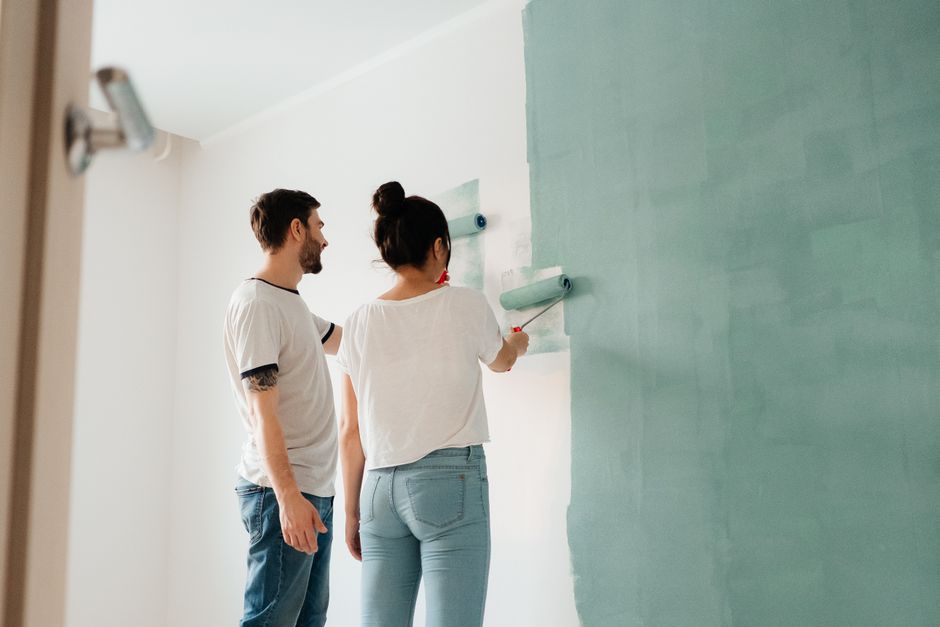
Choosing the right paint color for your home can be as exciting as it is daunting. Whether you're a newbie in the world of home decor or have a few projects under your belt, painting walls is a transformative step in personalizing your space. But how does a beginner approach this task compared to someone with more experience?
Let's explore the distinct strategies and insights that you can leverage at different stages of your decorating journey, from picking the perfect shade to mastering advanced techniques.
Understanding Color Choices
Beginners: Starting with Basics
If you're new to painting, the color wheel is a good friend. It can guide you through complementary and contrasting colors. Beginners often feel overwhelmed by the sheer number of choices in a paint store. Sticking to neutral shades like ivory or soft gray can be a safe bet as they blend well with various decor styles.
"Start with neutral colors. They're forgiving and can adapt to any interior style you choose later."
Experienced Painters: Experimenting with Bold Choices
For those with painting experience, bold choices become less intimidating. Experienced decorators might gravitate toward rich hues like deep blue or warm terracotta. They understand how to balance daring colors in a room without overwhelming the space.
- Experiment with accent walls to introduce vibrant colors without committing the entire room.
- Consider the room's lighting. Natural light can drastically change how paint appears.
Tools and Techniques
Beginners: Basic Brushwork
Beginners often start with the essentials: brushes, rollers, and painter's tape. Understanding the purpose of each tool is crucial. For instance, rollers cover large areas quickly, while brushes are perfect for corners and edges.
"Invest in a quality roller and brush set. They make a noticeable difference in your painting results."
Experienced: Advanced Techniques and Tools
With experience, painters explore more sophisticated tools like sprayers for large spaces or edgers for crisp lines. Techniques such as sponging or rag rolling can add texture and interest to walls.
- Try a paint sprayer for ceilings or large walls. It saves time and provides a smooth finish.
- Practice faux finishing techniques to add depth and character.
Preparation and Planning
Beginners: Keeping It Simple
Before you start, prepare your space. This means covering furniture, taping edges, and cleaning the walls. Beginners might skip this step in a rush to paint, but preparation is key to a clean finish.
"Proper preparation prevents poor performance. Spend time prepping for professional-looking results."
Experienced: Mastering Detailed Prep
Experienced decorators know that preparation doesn't just mean cleaning and taping. It includes understanding the paint's drying time and planning for multiple coats. They might even sand walls for a smoother application.
- Calculate how much paint you need to avoid multiple trips to the store.
- Use primer to ensure even color coverage and longevity.
Finishing Touches
Beginners: Learning to Evaluate
Once the paint is dry, step back and evaluate your work. Beginners should look for imperfections like drips or uneven spots and know that it's okay to go back and touch up.
"Don't rush the drying process. Evaluate after the first coat dries to decide if a second is needed."
Experienced: Perfecting the Finish
For seasoned painters, the final touches are about perfecting the details. They might use a fine brush to tackle minute imperfections or add a glaze for a glossy finish.
- Consider a protective topcoat for high-traffic areas.
- Use a small brush for detailed touch-ups.
Conclusion
Whether you're just beginning your painting adventure or have a few projects to your name, understanding the different approaches at various stages can make the process smoother and more enjoyable. Beginners can build confidence by mastering the basics, and experienced decorators can push the boundaries with advanced techniques. Painting is a skill honed over time, and each project brings new learning experiences.