Picture this: you're sipping a cup of tea in your living room, the heart of your home. But is your heart open to an expansive, interconnected space or do you prefer the coziness of a traditional, separate room? For many Nigerian families, this decision can define the entire living experience. With trends shifting towards modern open-plan designs, traditional layouts still hold their ground with a charm of their own. In this article, we explore the trade-offs between open plan and traditional living rooms to help you decide what suits your lifestyle best.
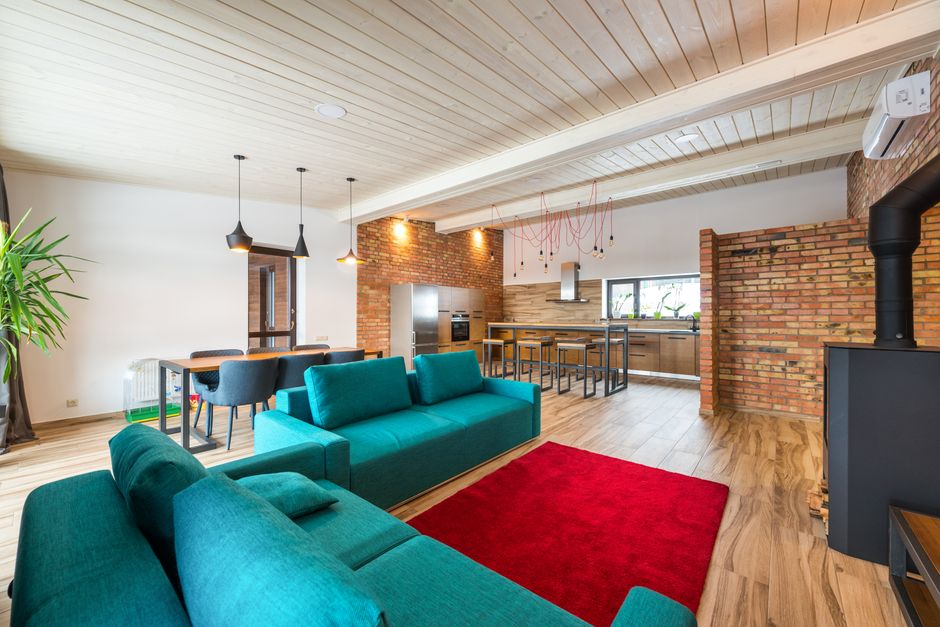
First things first, let's define our contenders. An open plan living room typically merges living, dining, and kitchen areas into a single expansive space. This design is celebrated for its modern aesthetic and fluidity. On the other hand, a traditional living room maintains distinct rooms for each function, often separated by walls or doors, providing more privacy and defined spaces.
The Aesthetic Appeal
Open Plan: The Modern Elegance
Open plan designs are synonymous with contemporary style. They offer a sleek, airy look that makes a home feel larger and brighter. With fewer walls, natural light flows effortlessly through the space, creating a warm and inviting environment. The open plan layout can also be a blank canvas for creativity, allowing you to experiment with various decor styles without the constraints of walls.
However, this freedom comes with a challenge: maintaining a cohesive look across the multifunctional space. The absence of walls means that the decoration style must harmonize throughout, which can be a daunting task for some.
Traditional: Timeless Charm
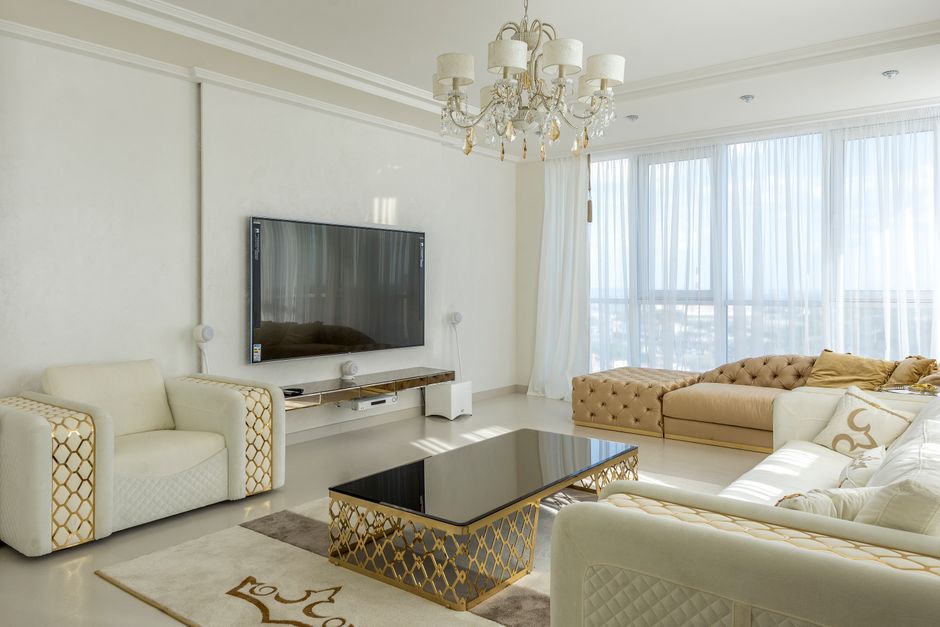
For those who appreciate classics, traditional living rooms offer a distinct charm. Each room can have its own character, decor, and purpose. This separation allows for more personalized and themed spaces, which can be particularly beneficial if you have a diverse taste in decor that you wish to showcase.
Despite its advantages, a traditional layout may feel more confined and less adaptable to modern living trends. The presence of numerous walls can obstruct natural light, making spaces feel smaller and darker.
Functionality and Lifestyle
Open Plan: Social and Versatile
If you're someone who loves to entertain, an open plan living room could be your best ally. The seamless integration of spaces encourages social interaction, allowing guests to mingle while maintaining a connection with the host. It also makes supervising children easier, as you can keep an eye on them while cooking or working.
"Open plan living is perfect for families who value togetherness and flexibility in their daily routines."
Yet, the lack of partitions can be disruptive in households where privacy is treasured. Noisy activities can easily spill over from one area to another, which might not be ideal for everyone.
Traditional: Focused and Private
For those who cherish privacy and focused activities, traditional living rooms offer distinct advantages. Separate rooms provide dedicated spaces for different activities, minimizing distractions and noise interference. This setup can be ideal for working from home, as it allows for a quiet, isolated office space.
However, this layout might limit your ability to host large gatherings, as it can be challenging to accommodate many people without feeling cramped.
Heating, Cooling, and Acoustics
Open Plan: Efficient Yet Challenging
Managing temperature control can be a double-edged sword in open plan spaces. While the open area allows for efficient air circulation, heating or cooling the entire space might be costly compared to smaller, enclosed rooms. It's also worth noting that sound can bounce around more easily, creating echoes and amplifying noise.
Traditional: Controlled Environment
Traditional layouts excel in controlling both temperature and sound. Rooms can be individually heated or cooled, often saving energy and reducing costs. The presence of walls helps in dampening noise, creating a quieter environment overall.
Cost Implications
Open Plan: Investment in Design
While open plan living rooms might seem straightforward, transforming an existing home into this layout can be an expensive endeavor. Removing walls often requires structural changes, which can add to the costs. Additionally, furnishing large open spaces can be pricier, as they require more pieces to fill the area adequately.
Traditional: Budget-Friendly Options
Keeping a traditional layout might save you money initially, especially if you're working within an existing structure. However, the cost of furnishing multiple rooms should be considered, as it can add up quickly depending on your taste and the quality of decor you choose.
Final Thoughts
The choice between an open plan and a traditional living room boils down to your personal preferences and lifestyle needs. If you enjoy a modern, cohesive look and prioritize social interaction, the open plan might be your best bet. On the other hand, if you value privacy, distinct spaces, and a classic touch, a traditional layout may serve you better.
Consider your family's daily routines, your entertainment habits, and your aesthetic preferences when making this decision. After all, your living room should be a reflection of your lifestyle and a place where you feel most at home.