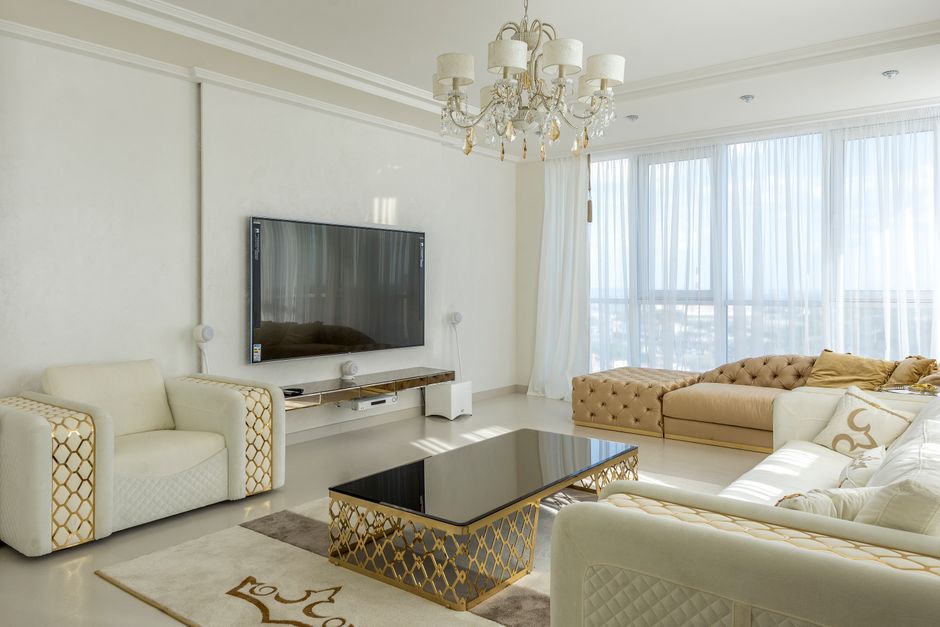
The living room is often the heart of the home, where families gather and guests are entertained. For many Nigerian households, it’s a space that reflects both personal style and cultural heritage. But transforming this space from basic to bold can feel overwhelming, especially if you’re just starting out on your decor journey. Whether you're a beginner or more experienced, the way you approach living room decor can make a significant difference. Let's dive into how these approaches differ and what strategies you can employ at each stage.
Getting Started: The Beginner's Approach
Understanding Your Space
Before you dive into buying furniture or accessories, take a good look at your living room. Is it spacious with plenty of light, or cozy and intimate? Knowing your space will help you make informed decisions about what will work best.
- Measure your room dimensions to avoid buying furniture that's too big or small.
- Take note of natural light sources to plan your lighting needs effectively.
For beginners, starting with a neutral color palette can be less overwhelming. It creates a versatile backdrop that allows you to easily add pops of color through accessories.
Choosing Essential Furniture
Beginners should focus on investing in key pieces that define the space. A comfortable sofa, a sturdy coffee table, and functional storage solutions should be your initial focus.
"Choosing timeless pieces ensures that your living room remains stylish even as trends change."
Consider pieces that serve multiple purposes, such as storage ottomans or convertible sofas, especially if you have limited space.
Accessorizing with Purpose
For those new to decor, it’s easy to go overboard with accessories. Start small.
- Introduce a few statement pieces, like a large artwork or a vibrant rug, to inject personality.
- Use cushions and throws to introduce different textures and colors.
Stepping Up: The Experienced Decorator’s Approach
Incorporating Bold Colors and Patterns
Once you’ve mastered the basics, it’s time to experiment with bolder choices. Experienced decorators often play with rich colors and complex patterns to add depth.
Consider an accent wall painted in a deep hue, or introduce a patterned wallpaper that adds character.
Layering Textures and Materials
Experienced decorators understand the importance of texture in creating a visually appealing space.
- Mix materials like wood, metal, and fabric for a sophisticated look.
- Layer different textiles, such as velvet cushions with knit throws, to create warmth and interest.
"Texture brings dimension to a space, transforming it from flat to inviting."
Personalizing with Unique Decor Items
For those with more experience, the living room becomes a canvas for personal expression.
Consider integrating pieces that tell a story or hold sentimental value, like a handcrafted sculpture from a local artisan or a vintage lamp with history.
Adapting Decor for Nigerian Homes
Embracing Cultural Elements
Incorporate Nigerian artistry into your decor. This can be through traditional fabrics like Ankara or Aso Oke used as cushion covers or wall hangings.
Artworks by Nigerian artists or crafts from local markets can add a unique touch that celebrates your heritage.
Practical Considerations for the Nigerian Climate
Keep in mind the climate when choosing materials. Opt for breathable fabrics, especially for curtains and upholstery, to ensure comfort during the hot seasons.
- Use rugs that can withstand the tropical climate, like those made from natural fibers.
- Consider airiness and ventilation when arranging furniture to maximize airflow.
Conclusion
Whether you're a beginner or an experienced decorator, transforming your living room is an opportunity to reflect your personal style and cultural heritage. Start with a solid foundation by understanding your space and incorporating essential pieces. As you grow more confident, experiment with bolder colors, patterns, and textures. Embrace elements that reflect Nigerian culture to create a space that’s not only beautiful but also meaningful. Your living room is more than just a space—it’s an expression of who you are.