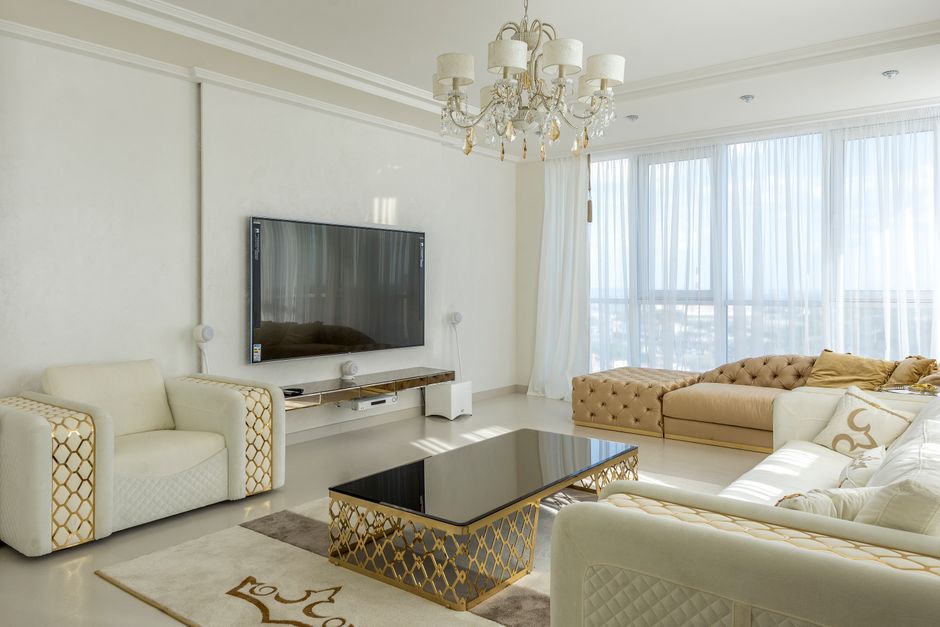
You've just upgraded the light bulbs in your living room, swapped out the lampshades, and even painted the walls a lighter color—yet the space still feels dim and uninspired. It's a common problem that defies the obvious solutions, leaving many homeowners frustrated. But don't worry, there are other techniques to brighten up your room effectively.
Before you decide to knock down walls or replace windows, consider these less-obvious fixes. These solutions are perfect for Nigerian homes, where natural light can be a rare commodity during certain seasons, or in densely built areas where window placement isn't ideal.
Understanding the Basics of Lighting Layers
Lighting isn't just about how bright a bulb is. It's about creating layers of light that work together to illuminate a space effectively. If your room feels dim, it might be because you lack proper lighting layers.
Ambient Lighting
This is your primary source of light in a room. It's like the base coat of color in a painting. If your ambient lighting isn't strong, the room will always feel underlit, no matter how many table lamps you add.
Task Lighting
Designed to light up specific areas where you perform tasks, like reading or cooking. Ensure that these lights are appropriately placed to enhance functionality and not detract from the overall brightness.
Accent Lighting
These are decorative lights that add depth and dimension, highlighting art, architecture, or certain features in the room. Often overlooked, accent lighting can make a huge difference in the perceived brightness of a space.
Utilizing Reflective Surfaces
If your Nigerian home struggles with dimness, mirrors and other reflective surfaces can be your best friends. They bounce light around a room, effectively doubling the amount of light.
- Mirrors: Place large mirrors opposite windows to reflect natural light into the room.
- Glass and Metal Decor: Incorporate glass or metallic elements in your decor such as vases or picture frames that reflect light.
- Glossy Paints: Use a higher-gloss paint finish on your walls to reflect more light compared to matte finishes.
Optimizing Furniture Arrangement
How your furniture is arranged can greatly impact the lighting in a room. Large pieces can block light pathways, making a room feel darker than it actually is.
Keep Windows Unobstructed
Ensure that no large furniture pieces are blocking windows. Use sheer curtains that allow maximum light penetration while maintaining privacy.
Strategic Placement of Lamps
Don’t just rely on overhead lighting. Floor and table lamps can be strategically placed to improve room brightness. Place them near dark corners or behind seating areas.
Exploring Smart Lighting Solutions
Technology offers innovative solutions to common lighting challenges. Smart bulbs and fixtures allow you to control brightness and color temperature at the press of a button.
Smart Bulbs
These can be adjusted to various brightness levels and color temperatures, allowing you to customize the ambiance of your room according to the time of day or activity.
Motion Sensors
Install motion sensors in rooms where lights are frequently forgotten, like hallways or bathrooms. They ensure that your room is always optimally lit without wasting energy.
"Smart lighting isn't just about convenience; it's about optimizing your space to meet your needs while saving energy."
Working with Natural Light
Maximizing natural light is key, especially in locations where electricity can be unreliable.
Window Treatments
Choose light-colored window treatments that allow for the penetration of natural light. Consider using blinds that can be easily adjusted to control light.
Skylights and Transom Windows
If possible, consider installing skylights or transom windows. They introduce natural light from above and work wonders in brightening dim rooms.
Conclusion
When the obvious solutions don't work, it's time to think outside the box. From understanding lighting layers to using smart technology and maximizing natural light, these strategies can help illuminate even the dimmest room. Remember, a well-lit home is not just about aesthetics; it's about improving your quality of life.