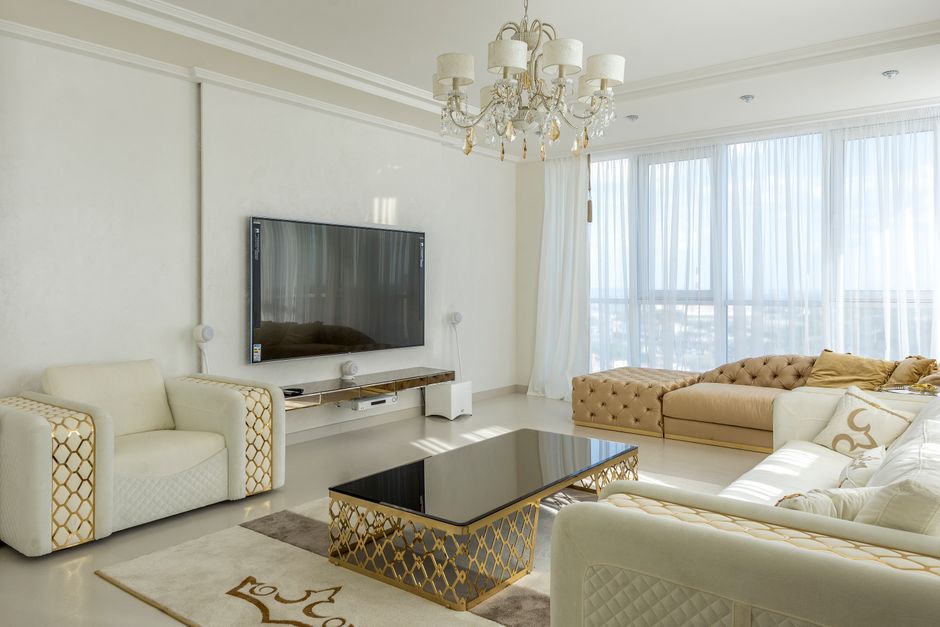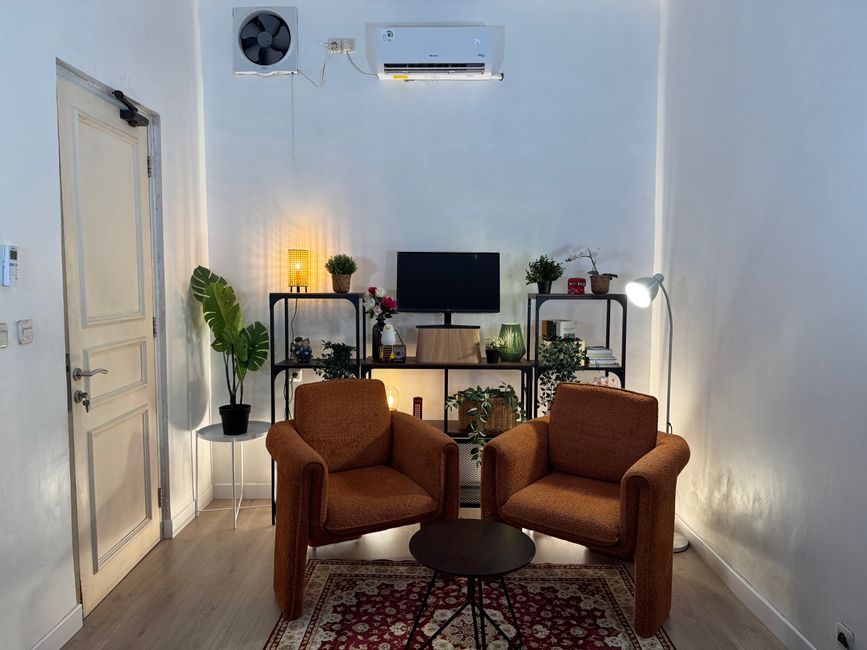
Decorating small spaces can be both a challenge and an opportunity. For beginners, the task might seem daunting, as every decision feels crucial when working with limited square footage. On the other hand, more experienced decorators see these constraints as a chance to showcase creativity and innovation. Whether you're a novice or a seasoned pro, understanding the distinct strategies for each stage can transform how you approach small space decor. This guide delves into the nuances of decorating small spaces, offering insights tailored to your experience level.
Picture this: a bustling Lagos apartment where every inch matters. To some, such a setting could feel claustrophobic, but with the right decor approach, it can become a cozy, personalized haven. Let's explore how beginners and experts differ in their strategies for designing small spaces.
Understanding Space and Function
Beginners: Prioritizing Essentials
For those just starting out, the focus should be on understanding and prioritizing the essentials. Small spaces demand purpose-driven decor, meaning each item should serve a clear function. Begin by asking yourself: What are the main activities in each room? Is the living room for relaxation or entertaining friends? This clarity helps narrow down furniture choices.
- Start with multifunctional furniture, like a sofa bed or an ottoman with storage.
- Use vertical space; think shelves and wall-mounted storage.
- Keep color palettes neutral to make spaces feel larger.
Experts: Embracing Multipurpose Design
Experienced decorators often excel in creating multifunctional areas without sacrificing style. They understand that every piece can have a dual purpose. For instance, a dining table might have hidden storage or a foldable design to maximize space when not in use.
- Invest in custom-built furniture that caters to specific needs.
- Use color to delineate spaces; bold hues can define areas while still maintaining flow.
- Experiment with textures to add depth without cluttering the room.
Lighting: The Secret Weapon
Beginners: Harnessing Natural Light
Natural light can be a game-changer in small spaces. Beginners should maximize windows and avoid heavy drapes that block light. Mirrors can be strategically placed to reflect light and create an illusion of space. A small Lagos apartment can feel more open with sheer curtains that let in sunlight.
Experts: Layered Lighting Techniques
Expert decorators often employ layered lighting to enhance the ambiance. This technique involves combining different light sources at various levels to create a balanced and inviting atmosphere.
- Incorporate floor lamps, pendant lights, and under-cabinet lighting.
- Use dimmers to adjust the mood as needed.
- Consider LED strips for a modern, space-saving solution.
Decor Accents and Personal Touches
Beginners: Keep It Simple
For novices, less is more when it comes to decor accents. A few well-chosen pieces can make a statement without overwhelming the space. Think a bold piece of art on a wall or a vibrant rug that ties the room together.
- Select a single focal point per room.
- Use plants to add life and color.
- Limit the number of decorative items on surfaces.
Experts: Curating a Personal Collection
More experienced decorators often curate personal collections that reflect their tastes and experiences. These items add character and tell a story without cluttering the space.
- Rotate decor items seasonally to keep spaces fresh.
- Mix vintage finds with modern pieces for contrast.
- Create gallery walls with a mix of art and personal photos.
Maximizing Storage
Beginners: Practical Solutions
For those new to decorating, practical storage solutions are key. Invest in furniture with built-in storage and make use of every nook and cranny.
- Under-bed storage boxes are a beginner's best friend.
- Floating shelves can add storage without taking up floor space.
- Ladder shelves can fit in narrow spaces to hold books or decor.
Experts: Innovative Storage Ideas
Experts often think outside the box when it comes to storage. They see potential in unexpected places and aren't afraid to invest in bespoke solutions.
- Use sliding doors on shelves to save space.
- Reclaim staircases or loft spaces for additional storage.
- Install ceiling-hung storage in kitchens or bathrooms.
Final Thoughts
Whether you're just beginning your decorating journey or you're a seasoned veteran, small spaces present unique challenges and opportunities. As a beginner, start by focusing on simplicity and functionality. As you gain experience, allow your creativity to shine, embracing bold choices and innovative solutions. Remember, the key to successful small space decor is to create a room that's not only beautiful but also functional and personalized to your needs.