Choosing the right furniture for your home can be a daunting task, especially when considering materials like wicker and rattan. Both have their unique appeal and charm, but how do they truly differ? More importantly, which one is the better fit for your Nigerian home? In this article, we delve into the intricate details of wicker and rattan furniture, exploring their differences, benefits, and potential downsides.
Wicker and rattan are terms often used interchangeably, yet they represent different aspects of furniture design. Wicker refers to the weaving process used to create furniture, while rattan is the material from which the furniture is made. Understanding this distinction is crucial to making an informed choice.
Understanding Wicker Furniture
Wicker furniture is renowned for its intricate weave patterns. It's a technique that involves weaving pliable plant material into a sturdy framework. Let's take a closer look at what makes wicker furniture unique.
Durability and Material
The durability of wicker furniture depends heavily on the materials used. Traditionally, wicker was crafted from natural plant fibers like willow, reed, or bamboo. However, modern wicker furniture often utilizes synthetic materials such as resin or vinyl, which are more resilient and weather-resistant.
- Traditional Wicker: While aesthetically pleasing, traditional wicker can succumb to the harsh Nigerian weather, particularly humidity and heat.
- Synthetic Wicker: Offers superior durability and is often more resistant to elements like rain and direct sunlight.
Style and Versatility
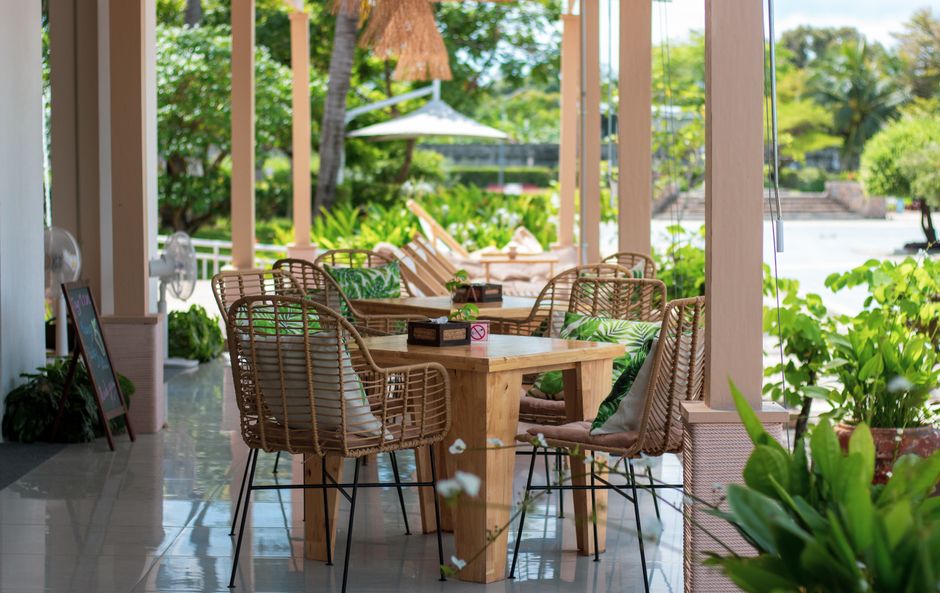
Wicker furniture offers a range of styles, from rustic to contemporary. Its versatility makes it a popular choice for both indoor and outdoor settings.
- Indoor Use: Offers a cozy and relaxed feel, perfect for sunrooms or casual living areas.
- Outdoor Use: Often treated with weather-resistant finishes to withstand outdoor conditions.
Exploring Rattan Furniture
Rattan furniture is crafted from the rattan palm, a climbing vine-like plant native to the tropical regions of Africa and Asia. It's celebrated for its natural aesthetic and strength.
Strength and Longevity
Rattan is known for its strength, making it one of the most durable materials for furniture.
- Natural Rattan: Offers a robust structure but requires regular maintenance to prevent damage from the elements.
- Processed Rattan: Often treated to enhance its durability and resistance to weathering, making it suitable for both indoor and outdoor use.
Aesthetic and Design
Rattan furniture exudes a natural, earthy vibe that blends effortlessly with various decor styles.
- Natural Appeal: Its organic texture and color make it ideal for creating a warm and inviting environment.
- Design Flexibility: Rattan can be shaped into numerous designs, from minimalist to intricate patterns.
Comparing Costs and Maintenance
One of the most critical factors for many homeowners is cost. Both wicker and rattan furniture have varying price points, depending largely on the materials used and the intricacy of the design.
Cost Considerations
While both can range from affordable to high-end, there are distinct differences in their pricing structure.
- Wicker: Often cheaper, especially synthetic versions, but may require more frequent replacement if not durable.
- Rattan: Generally more expensive due to its natural materials and crafting process, but offers longer longevity if well maintained.
Maintenance Requirements
Both types of furniture require care to maintain their appearance and functionality.
- Wicker: Needs periodic cleaning and protection from moisture to prevent mold and mildew.
- Rattan: Requires regular dusting and occasional oiling to maintain its condition, especially in humid climates.
Practical Considerations for Nigerian Homes
When choosing between wicker and rattan, consider the climate and the specific needs of your space. Nigeria's humid and tropical climate can be harsh on natural materials.
Weather Resilience
Consider how each type of furniture will hold up over time given the local weather conditions.
- Wicker: Opt for synthetic wicker if outdoor use is intended to withstand heavy rains and high humidity.
- Rattan: Best suited for indoor use unless specifically treated for outdoor conditions.
Space and Design
Both types of furniture can enhance your home’s decor, but think about the specific style you want to achieve.
- Wicker: Ideal for casual and relaxed settings, offering a more laid-back style.
- Rattan: Adds a touch of elegance and sophistication, suitable for a more polished look.
Final Thoughts
When deciding between wicker and rattan furniture, consider your specific needs, the intended use, and your personal style preferences. Wicker offers versatility and affordability, especially in synthetic forms, making it suitable for both indoor and outdoor use. Rattan, on the other hand, provides natural beauty and strength but requires more investment and care, particularly in Nigeria's climate.
Ultimately, the choice between wicker and rattan should be influenced by where you plan to use the furniture and how much effort you're willing to put into maintenance. Both options offer unique benefits that can enhance the aesthetic and functionality of your home.
Whether you choose wicker or rattan, ensure that your selection complements your home's decor style and meets your lifestyle needs.