When you walk into a Nigerian home, the decor tells a story. It's a tale of heritage, cultural richness, and a touch of modern flair. But, when it comes to choosing between traditional and modern Nigerian home decor, the decision isn't always straightforward. Both styles have unique elements that can transform a house into a home, but they also come with their own set of challenges and benefits. So, how do you decide which path to take for your living space?
Let's dive into the vibrant world of Nigerian home decor and explore the tradeoffs between traditional and modern styles. Whether you're updating a single room or planning a complete overhaul, understanding the nuances of each style will help you create a space that's not only beautiful but deeply personal.
Understanding Traditional Nigerian Home Decor
The Essence of Tradition
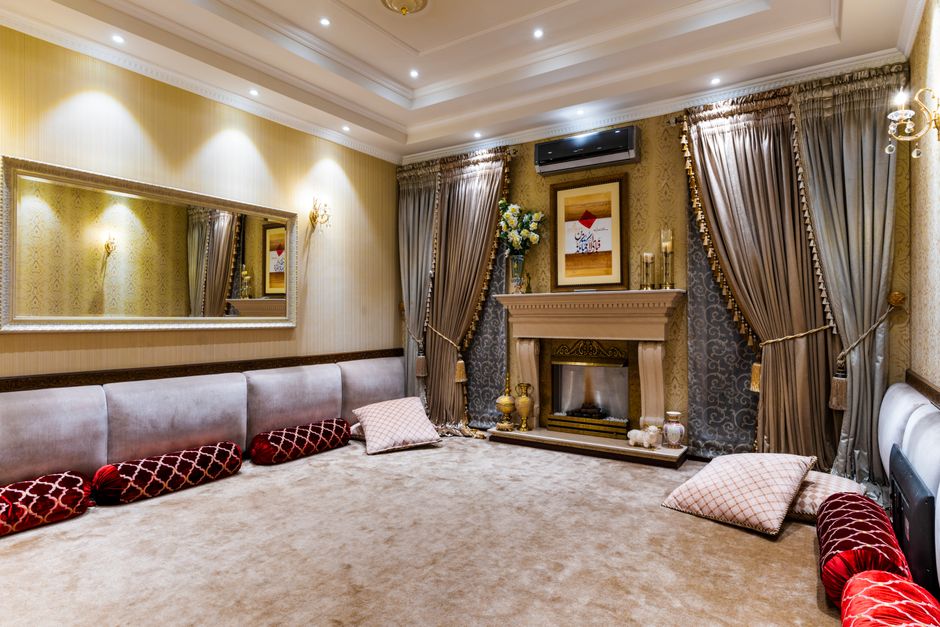
Traditional Nigerian home decor is all about celebrating the country's rich cultural heritage. This style incorporates elements like handwoven textiles, carved wooden furniture, and vibrant colors that reflect the diversity of Nigerian tribes.
Key Elements
- Textiles: Think of Adire, Ankara, and Aso Oke fabrics adorning furniture and walls. These textiles add color, pattern, and a tactile element to the decor.
- Art and Artifacts: Handcrafted sculptures, masks, and paintings often take center stage. They are not just decor; they are conversation starters.
- Natural Materials: Wood, clay, and stone are commonly used. These materials bring a sense of earthiness and warmth.
Pros and Cons
Pros: A traditional style creates a connection to cultural roots and tells a story. It can be deeply personal and unique.
Cons: This style may require careful sourcing of authentic materials, which can be both costly and time-consuming.
The Allure of Modern Nigerian Home Decor
Sleek and Stylish
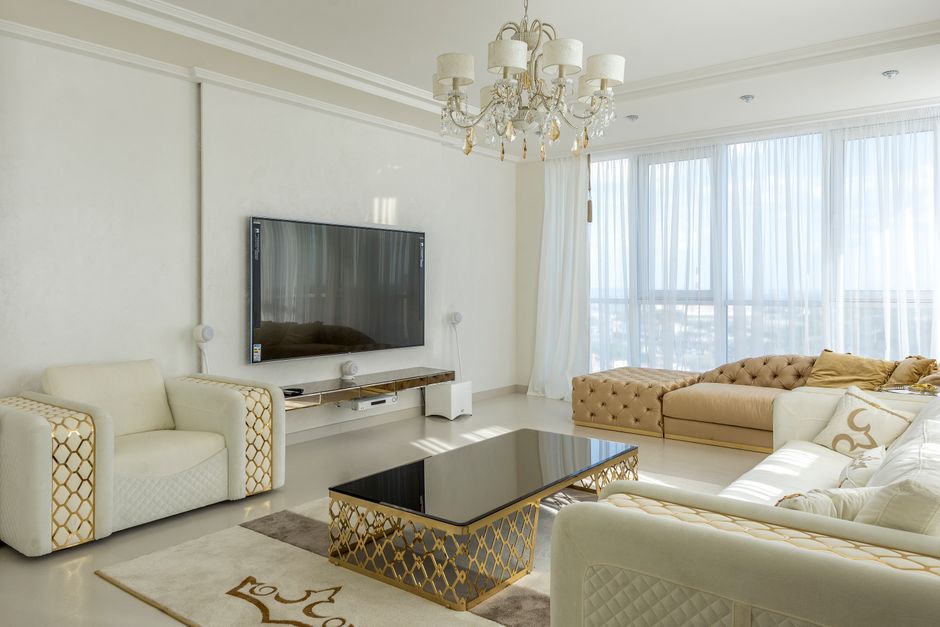
Modern Nigerian home decor is characterized by clean lines, minimalism, and a focus on functionality. This style often incorporates global influences while maintaining a subtle nod to Nigerian culture.
Key Elements
- Neutral Palettes: Whites, greys, and blacks dominate, often accented with bold pops of color from art pieces or textiles.
- Contemporary Furniture: Furniture is sleek and multifunctional, often with metallic or glass finishes.
- Artwork: Modern art pieces, including abstract paintings and sculptures, add personality and depth.
Pros and Cons
Pros: Modern decor is adaptable and can make spaces appear larger and clutter-free.
Cons: It can sometimes feel impersonal or too stark if not balanced with personal touches.
Comparing the Two: Which Suits You?
Personal Style and Lifestyle
Consider your lifestyle and what makes you feel most at home. Do you love hosting gatherings that celebrate your heritage? Traditional decor might be your perfect match. Prefer a more serene and streamlined space? Modern decor could be your calling.
Budget Considerations
Traditional decor can sometimes be more expensive due to the cost of authentic materials, but it also offers more opportunities for DIY projects. Modern decor, while potentially less costly upfront, might require more frequent updates to stay current.
Space and Functionality
The size and purpose of your space should guide your decision. Small apartments might benefit from the clean lines of modern decor, while larger homes can embrace the warmth of traditional styles.
"The best decor style is the one that resonates with you and makes your home feel like a true reflection of yourself."
Final Thoughts
Choosing between traditional and modern Nigerian home decor requires a balance between personal preference, budget, and practicality. Both styles offer unique opportunities to create a space that is not only aesthetically pleasing but also culturally resonant. Whether you lean towards traditional elements or modern minimalism, the most important thing is that your home feels like yours.