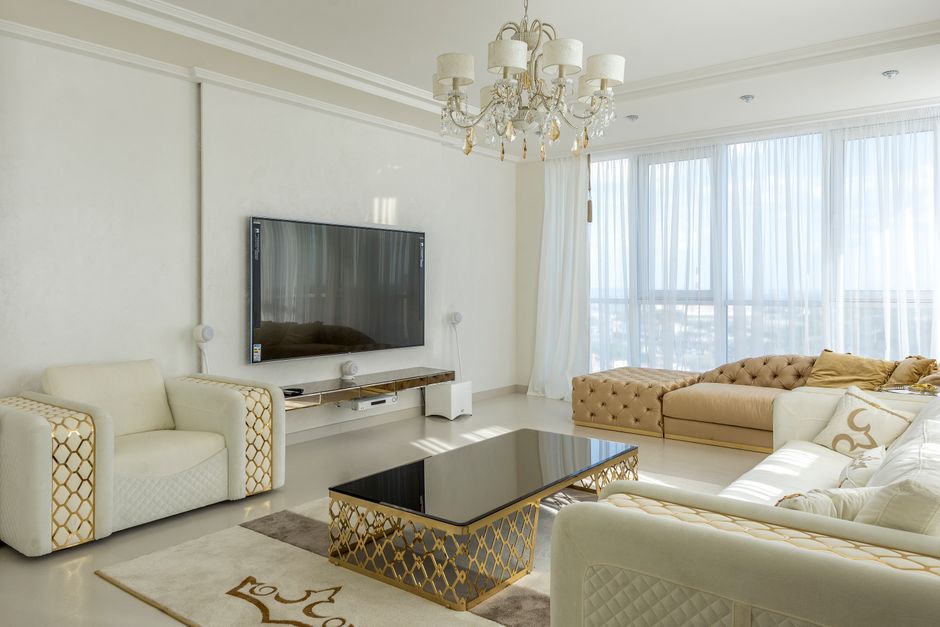
In the vibrant world of home decor, Nigerian traditional styles offer rich storytelling through design. Whether you're just starting out or are a seasoned decorator, understanding how to incorporate these elements into your home can be both rewarding and challenging.
For many Nigerians, home is more than just a place to rest; it's a reflection of culture, history, and personal identity. Decor can tell a story, celebrate heritage, and offer comfort. But how do you effectively bring Nigerian traditional decor into your home? The approach varies significantly between beginners and those with more experience.
Understanding the Basics: Beginners' Approach
For newcomers to Nigerian traditional home decor, simplicity is often the best starting point. The goal is to create an inviting space that reflects cultural heritage without feeling overwhelming.
Color Selection
Begin with earthy tones. These are prevalent in traditional Nigerian decor. Think of colors like the deep reds, browns, and ochres that mimic the natural landscape. Pair these with lighter accents to maintain balance.
- Experiment with small accents like cushions or rugs before committing to larger pieces.
- Visit local markets for inspiration and color ideas.
Choosing Furnishings
Investing in signature pieces is key. Look for furniture that incorporates traditional craftsmanship, such as intricately carved wood or woven patterns.
- Consider starting with a statement chair or coffee table.
- Mix and match with modern elements to avoid a dated look.
"Start with a few key pieces that speak to you and build around them," advises interior designer Tola Adeshina.
The Experienced Touch: Advanced Techniques
For those more familiar with Nigerian decor, the challenge lies in layering complexity without clutter. This involves a deeper understanding of the history and symbolism behind decor elements.
Textiles and Patterns
Incorporate traditional textiles like Aso Oke or Ankara. These fabrics can be used for upholstery, drapes, or even as wall hangings.
- Combine patterns thoughtfully to create depth.
- Use textiles to tell a story or represent a particular region.
Integrating Art and Artifacts
Art is a powerful way to express cultural heritage. Experienced decorators often use art to make bold statements in their homes.
- Choose pieces that resonate personally and culturally.
- Consider rotating art to keep the space dynamic.
"Each piece should serve a purpose, whether it's emotional, aesthetic, or cultural," says art curator Chidi Eze.
Common Mistakes to Avoid
Beginners
Avoid overcrowding your space. It's easy to become excited and buy too many items too quickly.
- Start slow and build your collection over time.
Experienced Decorators
Balance is key. Too much of any one element can become overwhelming.
- Aim for harmony between traditional and modern elements.
Final Thoughts
Nigerian traditional home decor is a journey of self-expression and cultural appreciation. Whether you're a beginner or seasoned decorator, the key is to stay true to your personal style while honoring traditions. By understanding the basics and integrating advanced techniques, you can create a home that is both beautiful and meaningful.