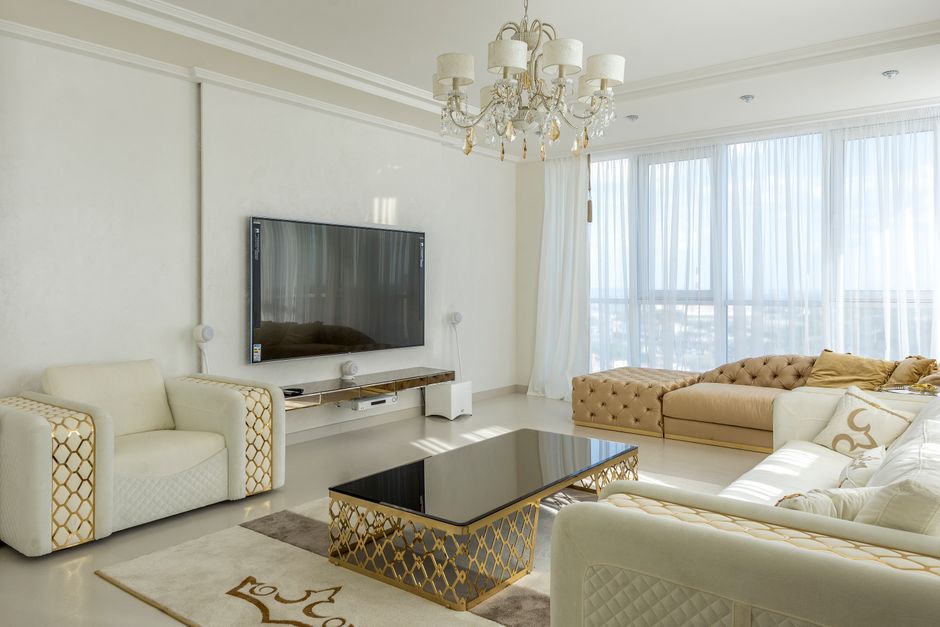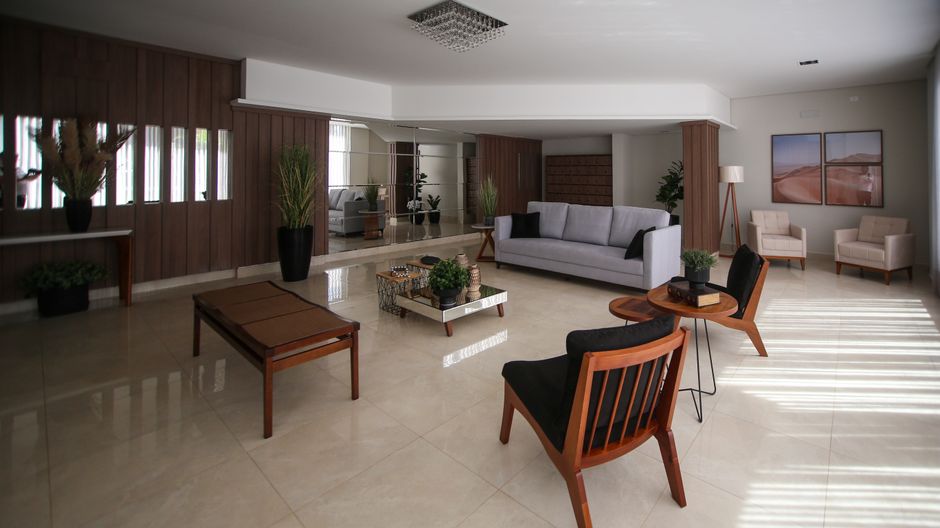
Picture this: you walk into a friend's living room, and it feels as if the furniture is just scattered randomly across the space. It's a common sight, especially in open-plan living areas. This is what we call the 'floating furniture' mistake, where furnishings are placed without a clear sense of purpose or cohesion. When done incorrectly, it can make a room feel disjointed and less inviting.
In many Nigerian homes, living rooms serve as the heart of the home, a place where family and friends gather. Yet, achieving both functionality and aesthetics in this space can be challenging. One of the most common pitfalls is the 'floating furniture' situation, where sofas, chairs, and tables seem to drift aimlessly without anchoring to each other or the room. In this article, we'll explore how to identify this issue and offer practical solutions to transform your living space.
Understanding the Floating Furniture Error
The 'floating furniture' mistake often arises from a lack of planning and spatial awareness. When furnishing a room, it might seem logical to place pieces wherever they seem to fit, but this can lead to a lack of cohesiveness. It results in a space that feels cluttered and lacks defined areas for different activities.
Signs of Floating Furniture
- Pieces are spaced too far apart, creating awkward gaps.
- Lack of a focal point, like a TV or fireplace, to anchor the room.
- No clear pathways for movement, leading to clutter and confusion.
Impact on Living Space
This mistake can make your living room feel smaller and less functional. It might seem counterintuitive, but even in a small space, pulling furniture closer together or aligning it with the room's architecture can open up the area and make it more inviting.
"The key to a well-designed living room is flow and cohesion. When furniture floats, it disrupts both." - Jane Doe, Interior Designer
Fixing the Floating Furniture Problem
Now that we've identified the issue, let's look at actionable steps to remedy it. The goal is to create a space that feels deliberate and welcoming.
Create a Room Layout Plan
Before moving anything, sketch out different layout ideas. Identify a focal point, such as a TV or artwork, and arrange your seating to face it. This establishes a purpose for the room and naturally draws people in.
Use Rugs to Define Areas
Rugs are not just for comfort; they are excellent tools for anchoring furniture. A large area rug under a seating group can define the perimeter of the space, bringing furniture together visually.
- Ensure the front legs of seating pieces are on the rug to tie the area together.
- Choose a rug size that fits the space well without overpowering it.
Integrating Furniture with Architecture
A great living room doesn't just have furniture it has pieces that fit seamlessly with the room's architectural features. Use walls, windows, and built-ins to guide your choices.
Align with Architectural Elements
- Position major pieces along or parallel to walls and windows.
- Use built-in shelving or niches to dictate furniture placement for added depth.
Such alignment doesn't only make a room look organized, but also maximizes available space, allowing for more practical use of the area.
Consider Multi-Functional Furniture
In Nigerian homes where space may be at a premium, using multi-functional furniture can be a game-changer. A coffee table that doubles as storage or a sofa that can also be a bed can serve dual purposes, reducing clutter and increasing functionality.
Incorporating Personal Style Without Floating
Of course, designing your space isn't just about avoiding common mistakes. It's about creating a room where your personality shines through.
Layer with Accessories
Accessorize your living room with cushions, throws, and art, but ensure these elements support the room's primary color scheme and style.
- Use accessories to draw attention to otherwise plain furniture arrangements.
- Personal items should have a place, enhancing rather than competing with the layout.
Balance and Symmetry
Creating visual balance can prevent the floating phenomenon. Symmetry in furniture placement can offer a sense of order, making a room feel both comfortable and attractive.
"Balance is not just for aesthetics. It brings harmony into living spaces, making them more functional." - John Smith, Home Decor Expert
Conclusion
Avoiding the 'floating furniture' mistake can transform your living room from a disjointed space into a cohesive, inviting area. By planning your layout, using rugs for definition, integrating with architectural elements, and incorporating personal style purposefully, you can create a living room that functions well and feels just right.
Remember, your living space should be a reflection of you, not just a collection of disconnected pieces. Embrace these strategies and watch your living room become the heart of your home.