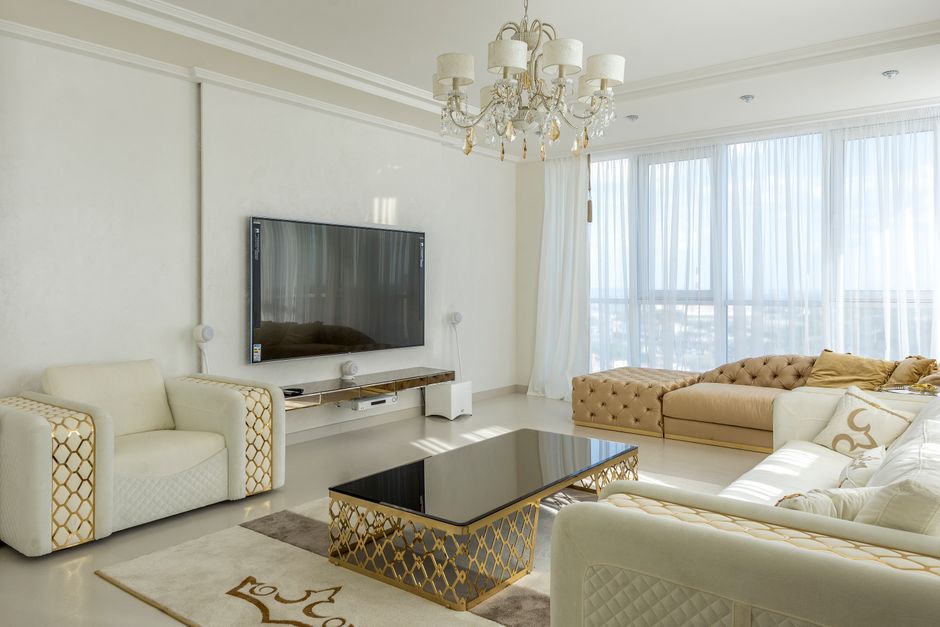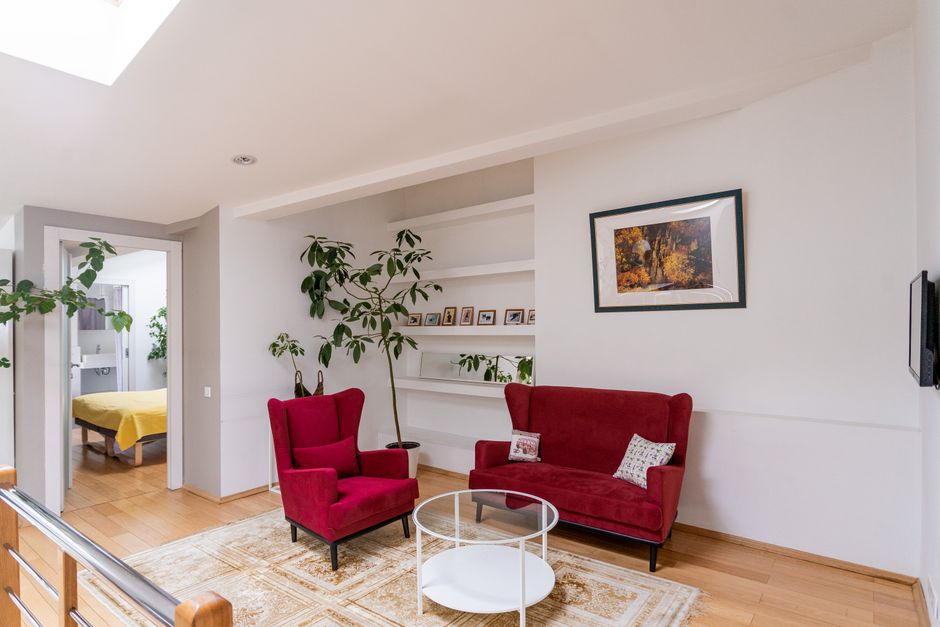
Picture this: You walk into a beautifully designed living room, but something feels off. The furniture seems to be afloat, unanchored, and scattered. This is what many refer to as the 'floating' furniture trap, a common misstep that can disrupt the harmony of a room. This mistake is surprisingly prevalent, especially in Nigerian homes, where incorporating vibrant decor and maximizing space is essential yet challenging. Let's delve into why this happens and how you can fix it to create a more cohesive and inviting living space.
Understanding the 'Floating' Furniture Phenomenon
When furniture doesn't connect to a room's architecture or surrounding elements, it gives the impression of floating. This often results from placing furniture without considering the room's layout or visual balance. This phenomenon not only affects aesthetics but can also disrupt the flow and functionality of your living space.
Why It Happens
- Lack of a Focal Point: Without a central element like a fireplace, artwork, or a media unit, furniture lacks direction, resulting in scattered placement.
- Ignorance of Scale: Large pieces in small rooms or tiny items in vast spaces skew balance, making arrangement seem haphazard.
- Improper Use of Rugs: A rug that's too small or absent can lead to disconnection between furniture pieces.
Creating a Grounded Space
The key to solving the floating furniture problem is creating a sense of unity and grounding. Here’s how you can achieve that:
Establish a Focal Point
Identify or create a focal point in your room. This could be an exquisite piece of Nigerian art, a bold-colored accent wall, or a unique piece of furniture. Arrange your main seating and furniture around this point to draw attention and anchor the space visually.
Scale and Proportion
Choose furniture that fits the size of your room. For example, in a compact Lagos apartment, opt for multi-functional furniture that saves space without compromising style. In larger homes, ensure that your pieces aren’t dwarfed by the room’s size. Proportionality is key.
Proper Rug Sizing
- Large Rug: Use a rug that allows at least the front legs of your furniture to rest on it. This helps in visually connecting the pieces.
- Rug Placement: Center the rug in the room and align seating around it to create a cohesive, grounded feel.
Practical Tips for Nigerian Homes
Given the unique climate and cultural aspects, here are tailored tips for grounding furniture in Nigerian settings:
Incorporate Local Materials
Use locally sourced materials such as Aso Oke or Ankara to cover cushions or upholster furniture. This adds a touch of Nigerian culture and visually ties your pieces together.
Embrace Multi-Functionality
In bustling Nigerian cities, space is often at a premium. Choose furniture that serves multiple purposes. A storage ottoman or a foldable dining table can be lifesavers.
Balance Bold Colors
Nigerians love vibrant colors. While it’s tempting to incorporate several bold hues, balance is crucial. Use neutral tones as a base and add pops of color through accessories or artwork to keep the space harmonious.
Common Mistakes to Avoid
Even with the best intentions, mistakes can happen. Here are a few to watch out for:
Ignoring Traffic Flow
Ensure there is enough room to move between furniture pieces. A cramped space with awkward pathways can detract from even the most beautifully arranged room.
Neglecting Wall Space
Don’t push all furniture against walls. This often leads to the floating effect. Instead, pull pieces slightly away to create more intimate, conversational areas.
Final Thoughts
Grounding your furniture is essential in creating a space that feels cohesive and inviting. By avoiding the common mistake of 'floating' furniture, you can transform your Nigerian home into a sanctuary of style and comfort. Remember, it’s about balance, proportion, and a touch of cultural flair. With these tips, your home will not only look appealing but also function beautifully.