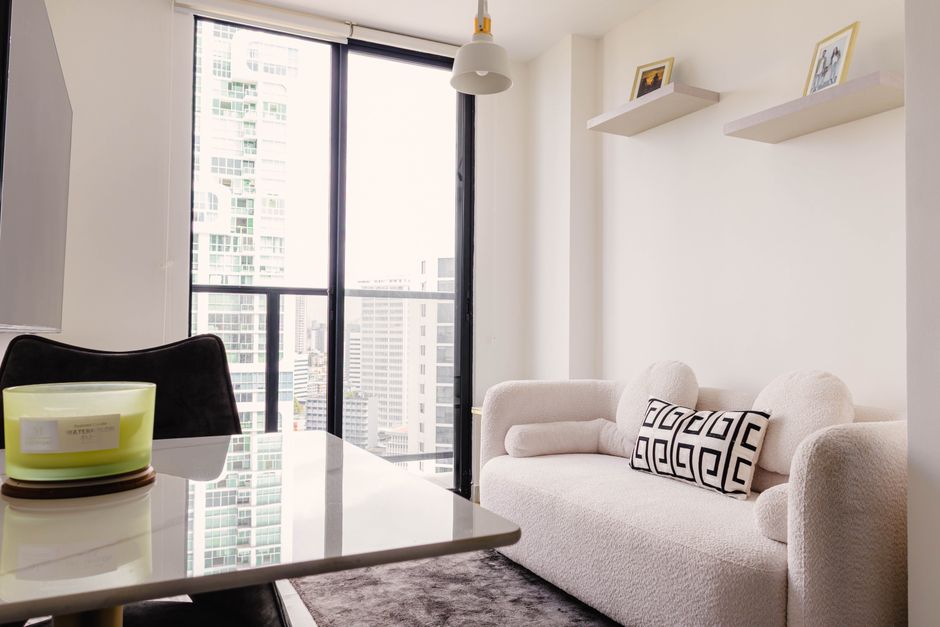
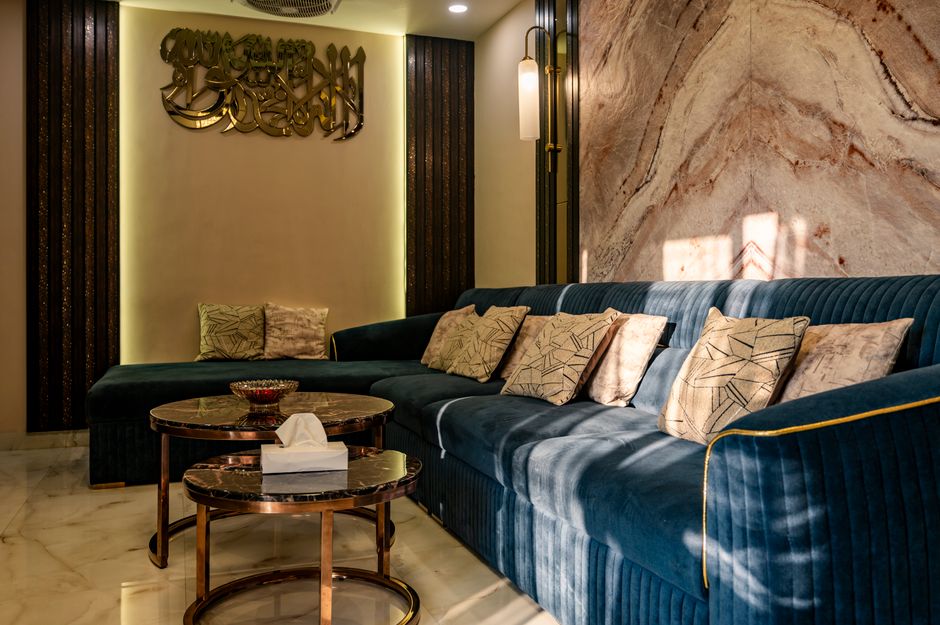
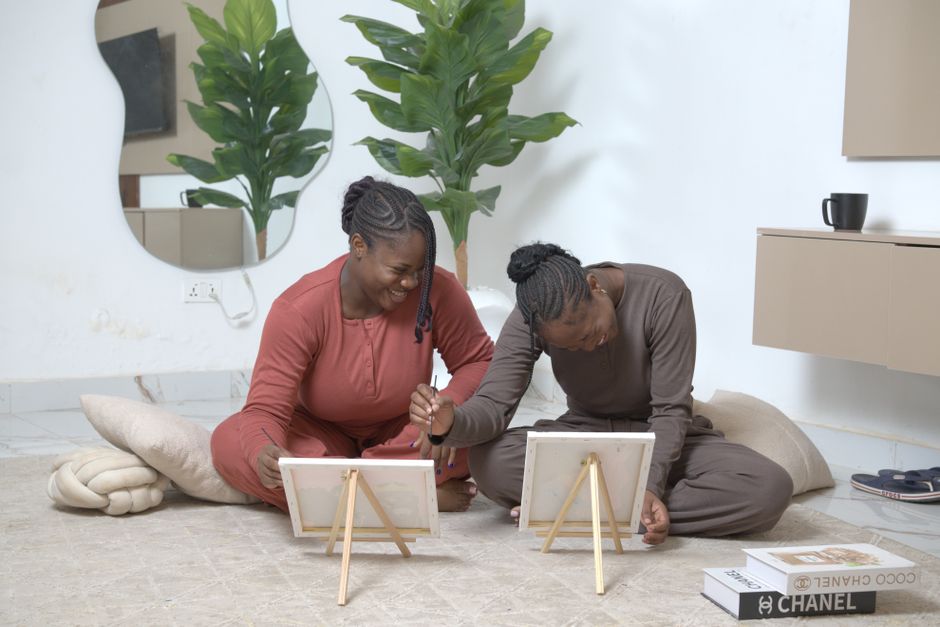
Living in a small space doesn't mean you have to compromise on style or functionality. In fact, with the right interior design strategies, you can transform your compact living area into an attractive and efficient haven. Whether you're in a bustling city apartment in Lagos or a cozy home in Abuja, optimizing your space can enhance comfort and aesthetics. In this guide, we'll explore practical tips and strategies to make the most of your small space.
Understanding Space and Flow
Before diving into design, it's essential to understand your space and how it functions. Knowing the flow can help you make informed decisions.
Analyze Your Space
- Measure your rooms and note any architectural features.
- Identify natural light sources and how they affect the room.
- Consider the activities you prioritize in each space.
Understanding these elements will guide your layout decisions, ensuring each room serves its intended purpose effectively.
Plan for Flow
The way you move through your space matters. Ensure there's a clear path for movement to make your area feel more open.
- Use furniture that can be easily moved, like foldable tables or stackable chairs.
- Avoid clutter by minimizing items that interrupt pathways.
"A well-planned layout can make even the smallest space feel expansive and welcoming."
Choosing the Right Furniture
Furniture can make or break a small space. Choosing the right pieces is crucial for both functionality and style.
Opt for Multi-functional Furniture
In small spaces, every piece of furniture should serve more than one purpose.
- A sofa bed can provide seating by day and a comfortable bed by night.
- Invest in a coffee table with storage to keep the area tidy.
- Consider wall-mounted desks or fold-out dining tables.
Multi-functional furniture maximizes utility while reducing clutter.
Scale and Proportion
Ensure your furniture fits the scale of the room. Oversized pieces can overwhelm a small space.
- Choose slender furniture with legs that lift off the floor to create a sense of openness.
- Utilize vertical space with tall bookshelves or cabinets.
"Small-scale furniture with thoughtful proportions can transform a cramped room into a cozy retreat."
Color and Lighting Techniques
Color and lighting play significant roles in how a space is perceived.
Embrace Light Colors
Light colors can make a room feel larger and more inviting.
- Use whites, pastels, or light neutrals on walls to reflect more light.
- Incorporate pops of color with accessories for personality.
These strategies can create an airy and welcoming atmosphere.
Strategic Lighting
Lighting is a powerful tool in enhancing a room's ambiance.
- Layer lighting: combine ambient, task, and accent lighting.
- Use mirrors to reflect light and create an illusion of depth.
- Consider pendant lights or wall sconces to save floor space.
"The right lighting can turn a dim, cramped space into a bright and inviting area."
Creative Storage Solutions
Storage is often a challenge in small spaces, but creativity can overcome constraints.
Smart Storage Ideas
Make use of every possible space for storage.
- Install shelves above door frames for books or decorative items.
- Use under-bed storage boxes for seasonal clothing.
- Opt for furniture with built-in storage like ottomans or benches.
These techniques ensure that your living area remains organized and clutter-free.
Decluttering and Organizing
A clean and organized space is crucial for small homes.
- Regularly assess belongings and donate items you no longer need.
- Use baskets and bins to keep similar items together.
- Label storage boxes to easily identify contents.
"A clutter-free space is a happy space, and organization is key in small living areas."
Personalizing Your Space
Finally, don't forget to infuse your personal style into your small space.
Decorative Elements
Add personality with carefully chosen decor that reflects your taste.
- Hang artwork or photos to create a gallery wall.
- Incorporate textiles like area rugs or throw pillows for texture.
- Use plants to bring life and freshness to the room.
These elements will make your space feel truly yours.
Flexibility and Adaptability
Be open to changing your decor as your needs evolve.
- Rotate decor items seasonally for a fresh look.
- Adapt spaces for new activities, like adding a home office corner.
Flexibility ensures that your home remains functional and enjoyable.
Conclusion
Maximizing a small space requires creativity and thoughtful planning. By understanding your space, choosing the right furniture, utilizing color and lighting, implementing smart storage solutions, and personalizing your decor, you can create a home that is both beautiful and functional. Remember, a small space doesn't limit your design potential; it opens up a world of possibilities for cozy and efficient living.