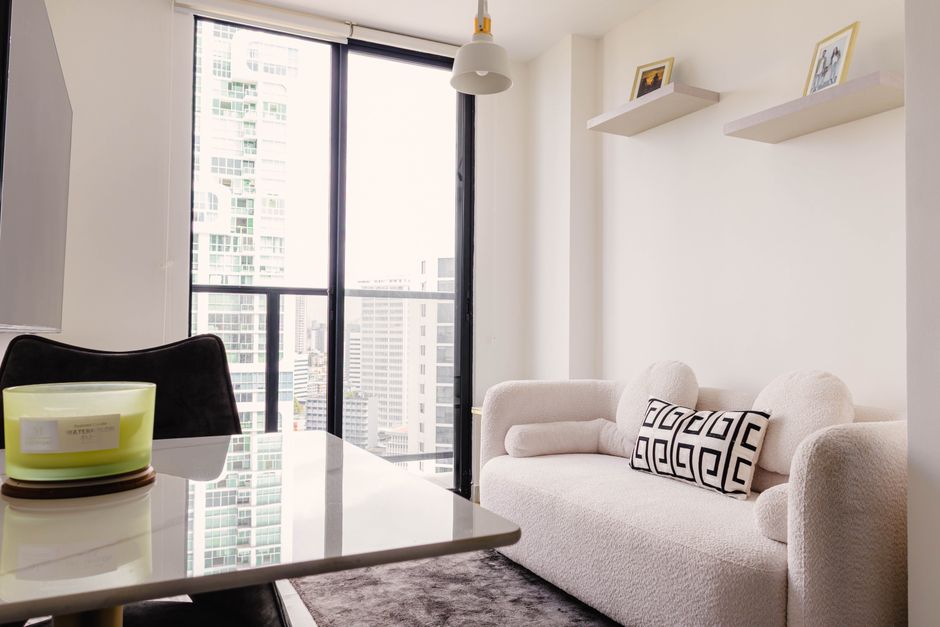
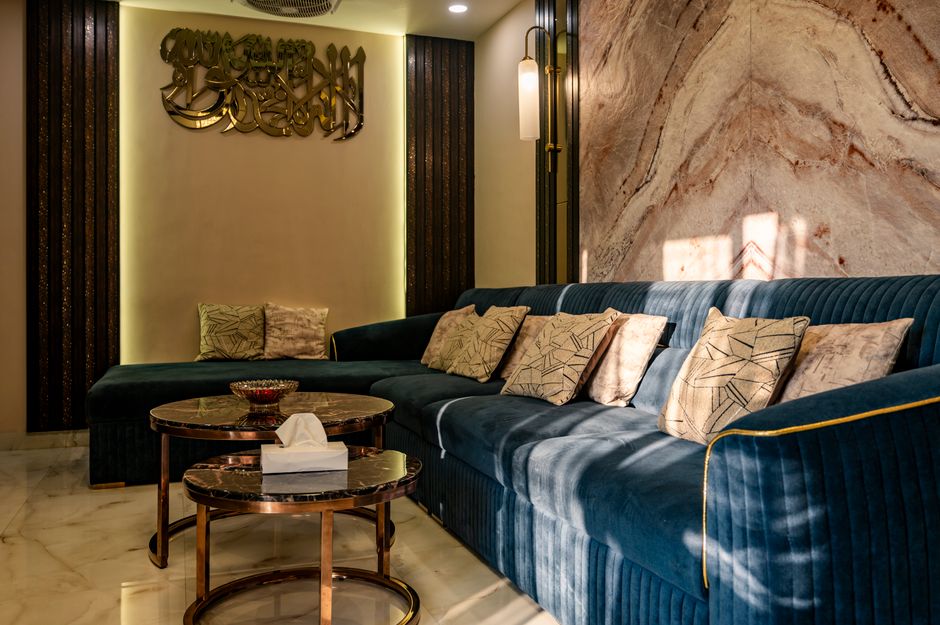
Lighting is an essential aspect of home decor that can transform any space from bland to beautiful. For Nigerian homeowners looking to revamp their interiors, smart lighting techniques offer both style and functionality. Whether you're working with a spacious home in Abuja or a cozy apartment in Lagos, the right lighting can make all the difference.
In this guide, we'll explore how to use smart lighting to enhance your living spaces. From understanding the basics of lighting design to incorporating the latest technology, we'll cover everything you need to know to illuminate your home like a pro.
Understanding the Basics of Lighting Design
Before diving into smart lighting solutions, it's crucial to understand the fundamentals of lighting design. The three main types of lighting are ambient, task, and accent lighting, each serving a different purpose in your home.
Ambient Lighting
Ambient lighting, or general lighting, provides overall illumination to a room. It creates a comfortable level of brightness without glare and enables you to see and move safely.
- Common sources: ceiling fixtures, wall-mounted fixtures, LED downlights.
- Tip: Use dimmable lights to adjust the atmosphere according to the occasion.
Task Lighting
Task lighting helps you perform specific tasks such as reading, cooking, or working. It should be free of distracting glare and shadows.
- Common sources: desk lamps, pendant lights, under-cabinet lighting.
- Tip: Position task lighting to illuminate the task area rather than your eyes.
Accent Lighting
Accent lighting adds drama and highlights specific features in your space, such as artwork, plants, or architectural details.
- Common sources: track lights, wall sconces, spotlights.
- Tip: Use accent lighting to create visual interest and focal points.
Incorporating Smart Lighting Solutions
Smart lighting systems allow you to control your home's lighting with ease, offering convenience and energy efficiency. Here's how you can integrate these solutions into your decor.
Smart Bulbs
Smart bulbs can be controlled via smartphone or voice commands, allowing you to adjust brightness, color, and schedules remotely.
- Benefits: easy installation, customizable settings, energy savings.
- Recommendation: Opt for brands like Philips Hue or Lifx for quality and reliability.
Smart Lighting Systems
Consider a comprehensive smart lighting system that integrates with your home's smart ecosystem, such as Google Home or Amazon Alexa.
- Benefits: seamless control, automation based on routines, energy management.
- Tip: Ensure compatibility with existing smart devices for smooth integration.
"Smart lighting offers both aesthetic appeal and practical benefits, making it an essential component of modern home design."
Choosing the Right Lighting for Each Room
Each room in your home has unique lighting needs, influenced by its function and design. Let's explore the best lighting options for different spaces.
Living Room
The living room is a versatile space where ambient lighting should be complemented by task and accent lighting for reading or showcasing decor.
- Recommendation: Use a mix of floor lamps, table lamps, and recessed lighting.
- Tip: Incorporate dimmers to adjust light levels for different activities.
Kitchen
In the kitchen, effective task lighting is crucial for food preparation and cooking. Consider under-cabinet lights and pendant lights above the island.
- Recommendation: LED strip lights are an energy-efficient option under cabinets.
- Tip: Ensure task lighting is bright and focused on the countertops.
Bedroom
For the bedroom, focus on creating a relaxing atmosphere with adjustable ambient lighting and soft bedside lamps for reading.
- Recommendation: Smart bulbs with warm light settings encourage relaxation.
- Tip: Use blackout curtains to control natural light and enhance privacy.
Maximizing Natural Light
While artificial lighting is important, natural light plays a crucial role in home decor. Nigerian homes can make the most of abundant sunlight with these strategies.
Window Treatments
Opt for sheer curtains or blinds to allow natural light to flow into your space while maintaining privacy.
- Tip: Light-colored fabrics reflect more light, brightening up the room.
Mirrors and Reflective Surfaces
Mirrors can amplify natural light by reflecting it around the room. Place mirrors opposite windows to maximize this effect.
- Tip: Consider mirrored furniture or decor for additional light diffusion.
Energy Efficiency and Sustainability
Smart lighting not only enhances home aesthetics but also contributes to energy efficiency and sustainability. Here's how you can make your home greener.
LED Lighting
LED lights are more energy-efficient than traditional bulbs, reducing both your energy bills and environmental footprint.
- Tip: Replace all incandescent bulbs with LEDs for significant savings.
Smart Lighting Automation
Set schedules or use motion sensors to ensure lights are only used when needed, reducing wasteful energy consumption.
- Recommendation: Use smart plugs or switches for non-smart fixtures.
"By embracing energy-efficient lighting solutions, we not only enhance our homes but also contribute to a more sustainable future."
Conclusion
Smart lighting is a versatile and powerful tool in home decor that can significantly enhance the ambiance and functionality of your living spaces. By understanding the basics of lighting design and incorporating smart solutions, you can create a home that is not only visually appealing but also energy-efficient and technologically advanced.
Whether you're revamping a traditional Nigerian home or setting up a modern apartment, these lighting strategies will help you create a welcoming and efficient environment. Remember, the right lighting can transform your home into a sanctuary that reflects your personal style and enhances your daily life.