Living in a bustling Nigerian city often means adapting to smaller living spaces. Whether you're in a compact apartment in Lagos or a cozy home in Abuja, maximizing your space without compromising style is essential. With the right approach, you can transform any small area into a stylish and functional sanctuary. In this guide, we'll explore smart décor solutions and layout strategies to help you make the most of your small space.
Understanding Your Space
The first step in optimizing a small space is to thoroughly understand its dimensions and limitations. Knowing where you have room to expand or modify can lead to creative solutions that enhance both functionality and aesthetics.
Measure and Assess
Before making any purchases or rearrangements, take the time to measure your room. This will help you avoid buying furniture that's too large or small for your space.
- Use a tape measure to get accurate dimensions of the room.
- Note down any architectural features like windows, doors, and built-in cabinetry.
- Consider the natural light and how it impacts the room at different times of the day.
Identify Functionality Needs
Small spaces often require multifunctional elements. Identify what activities will take place in the room and prioritize them accordingly.
- Will the space need to serve as both a living room and a dining area?
- Is there a need for workspace or a study corner?
- Consider storage needs and how they can be integrated.
"The key to maximizing a small space lies in understanding its purpose and potential," says interior designer Chidinma Okoye.
Choosing the Right Furniture
When it comes to furnishing a small space, less is often more. Selecting the right pieces can make a significant difference in how your space feels and functions.
Opt for Multi-functional Furniture
Furniture that serves multiple purposes can save space without sacrificing comfort.
- Sofa beds or daybeds can provide seating by day and a comfy place to sleep at night.
- Nested tables or foldable dining tables can be expanded or tucked away as needed.
- Ottomans with storage offer a place to sit, a footrest, and a spot to stow away items.
Think Vertical
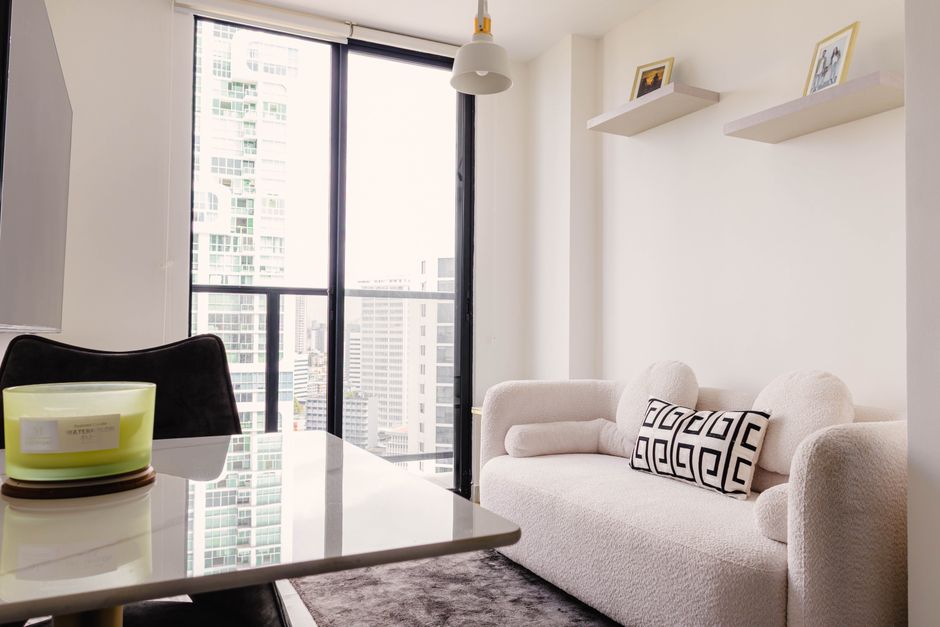
Utilizing vertical space can free up floor space and make a room feel larger.
- Install shelves higher up on walls to store books or display decorative items.
- Choose tall and slim storage units that maximize space without overwhelming the room.
Effective Use of Color and Lighting
The right colors and lighting can dramatically influence the perception of space. By strategically choosing them, you can create a warm and inviting atmosphere.
Color Choices
Light colors and neutrals can make a small room seem larger and more open.
- Consider using palettes of whites, light blues, or soft greys.
- Accent colors can add interest without overwhelming the space.
Lighting Strategies
Good lighting is essential in small spaces. It can add depth and create a sense of airiness.
- Layer lighting by combining overhead lights with table lamps or floor lamps.
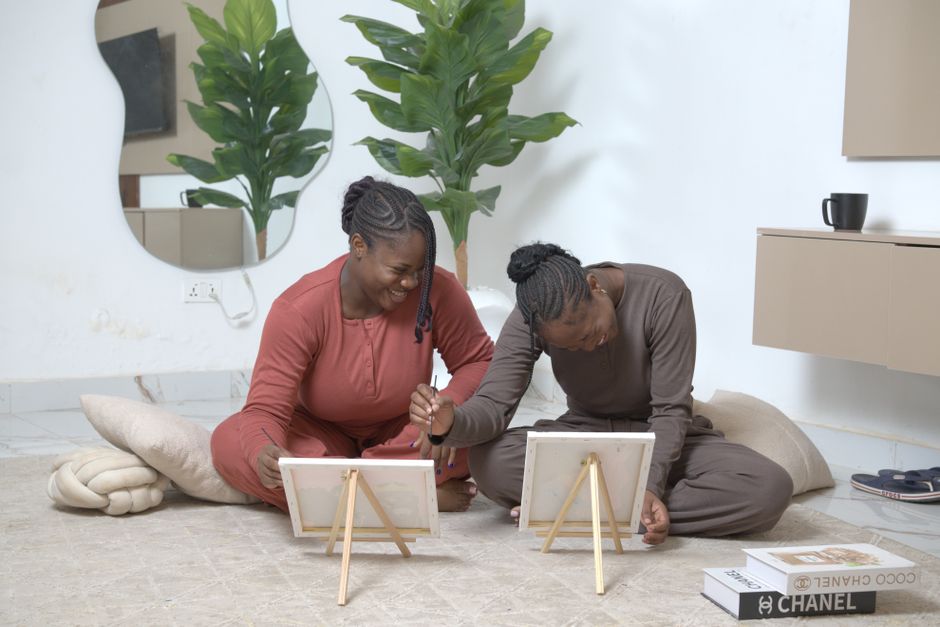
- Use mirrors to reflect light and make the space feel bigger.
"Lighting can transform a small room, making it feel airy and open," notes lighting expert Bisi Adeoye.
Creative Décor Ideas for Small Spaces
Thoughtful décor can enhance a small space, adding personality without clutter.
Use of Mirrors
Mirrors are a small space's best friend. They can reflect light and create the illusion of more space.
- Place a large mirror opposite a window to reflect natural light.
- Consider mirrored furniture to add a touch of elegance and openness.
Incorporating Textures
Using different textures can add depth and interest to a small room.
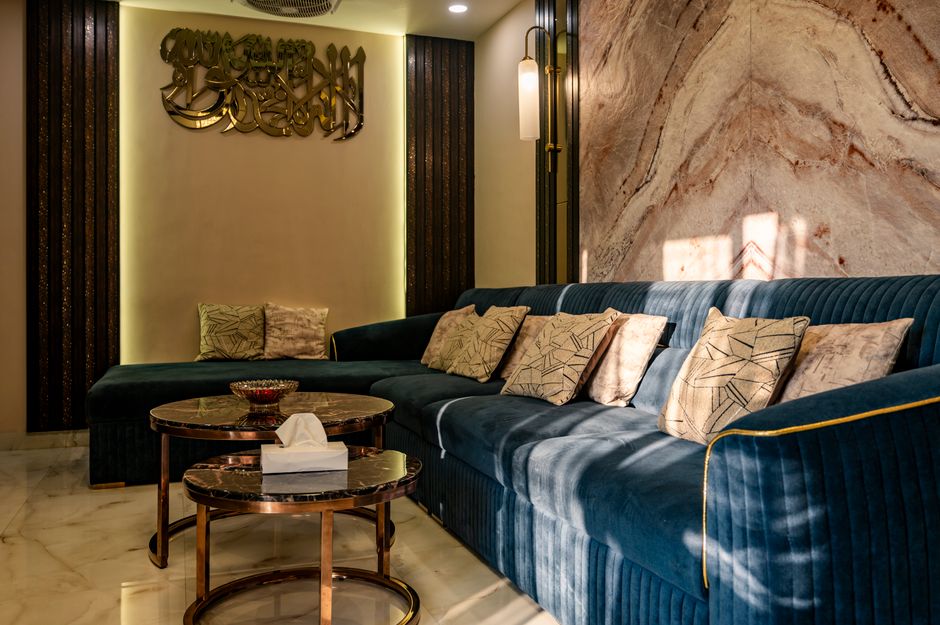
- Mix and match cushions with different fabrics like velvet, linen, or silk.
- Use rugs to define areas and add warmth underfoot.
Final Thoughts
Optimizing a small space requires creativity and thoughtful planning, but the results can be both beautiful and functional. By understanding your space, choosing smart furniture, and using color and light strategically, you can transform even the tiniest of rooms into a stylish retreat that reflects your personality and meets your needs. Remember, the key is to embrace multifunctionality and maximize every inch while keeping the space feeling open and uncluttered.