Living in vibrant cities like Lagos or Abuja often means embracing smaller living spaces. But fear not—transforming your compact apartment or house into a cozy and stylish haven is more than possible with the right approach to color and lighting. In this article, we'll explore practical strategies to enhance small spaces, making them appear larger and more inviting. These tips are perfect for Nigerian homes where space is at a premium but style should never be compromised.
Whether you're in a bustling city or a tranquil village, understanding how to manipulate color and light can significantly impact the look and feel of your home. By the end of this read, you'll be equipped with actionable insights to turn even the most cramped spaces into beautifully designed interiors.
Understanding the Impact of Color
The Psychology of Color
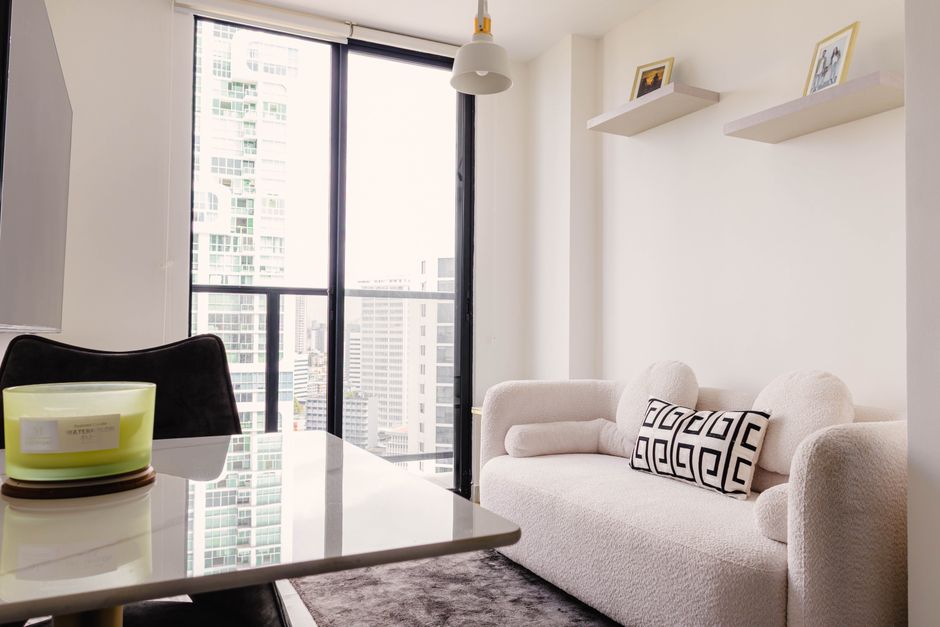
Colors can affect mood and perception, making them a powerful tool in interior design. For small spaces, lighter colors are generally more effective as they reflect light, creating an illusion of a larger area.
"Choosing the right color palette can make a small room feel more expansive and welcoming."
Consider using soft shades like pastels or neutrals such as white, cream, or light gray. These hues not only brighten up the space but also provide a neutral backdrop that can easily be accessorized with bold accents.
Accent Walls for Depth
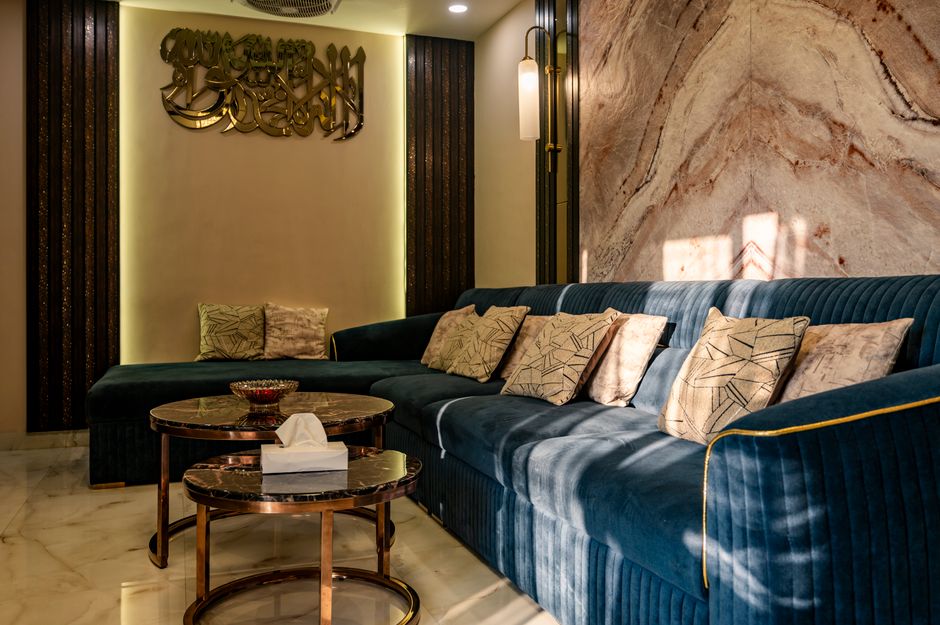
While maintaining a light color scheme, introducing an accent wall can add depth and character to a room. Choose a wall that naturally draws the eye and paint it a darker or more vibrant color to create a focal point.
- Pick a bold color that complements your main palette.
- Use patterns or textures to add interest.
- Coordinate with furniture and accessories for a cohesive look.
Lighting Techniques to Maximize Space
Layered Lighting
Incorporating layers of light is essential for small spaces. This involves combining ambient, task, and accent lighting to create a well-lit, functional, and visually appealing environment.
- Ambient Lighting: This is the general illumination of a room. Use ceiling lights or wall-mounted fixtures to provide a warm and inviting glow.
- Task Lighting: Focused lighting is essential for areas where activities like reading or cooking occur. Desk lamps or under-cabinet lights work well.
- Accent Lighting: Highlight artwork, architectural features, or decorative objects with spotlights or LED strips.
Natural Light Utilization
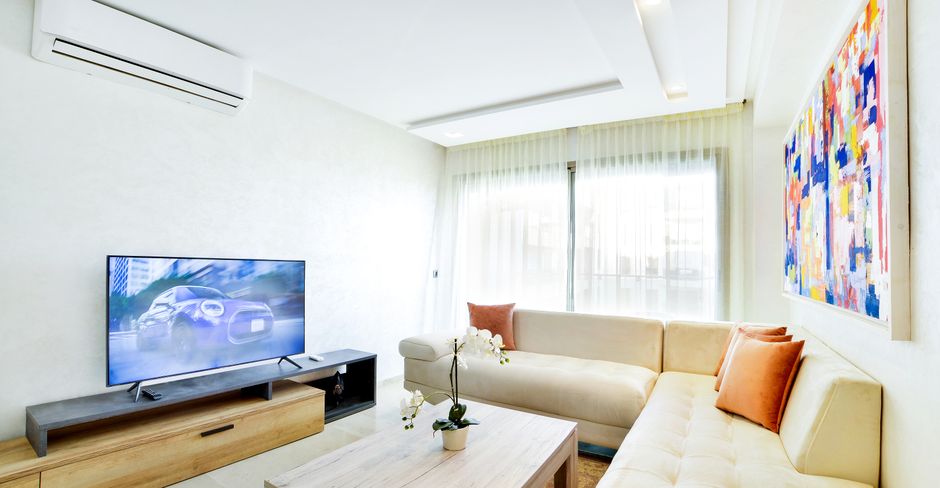
Maximizing natural light is one of the most effective ways to make a small space feel larger. Keep windows unobstructed and use sheer curtains to allow sunlight to flood the room.
"Natural light not only enhances mood but also makes any space appear more open and airy."
Consider positioning mirrors opposite windows to reflect and amplify the natural light, further enhancing the sense of space.
Creative Layouts and Furniture Choices
Multi-functional Furniture
In small spaces, every piece of furniture should serve more than one purpose. Look for pieces that combine style with functionality, such as a sofa bed or a dining table with storage.
- Ottomans with hidden storage are perfect for decluttering.
- Foldable desks or tables can be tucked away when not in use.
- Wall-mounted shelves save floor space while adding storage.
Open Layouts
Whenever possible, adopt an open layout to eliminate visual barriers and create a seamless flow between areas. Use rugs or different wall colors to define separate zones without closing off spaces.
"An open layout encourages natural light to move freely, enhancing the room’s openness and functionality."
Decorative Accents for Personality
Minimalist Approach
A minimalist approach helps prevent small spaces from feeling cluttered. Keep decorations simple and purposeful, focusing on a few statement pieces that reflect your style.
Opt for quality over quantity, choosing items that bring you joy and have personal significance.
Greenery and Textiles
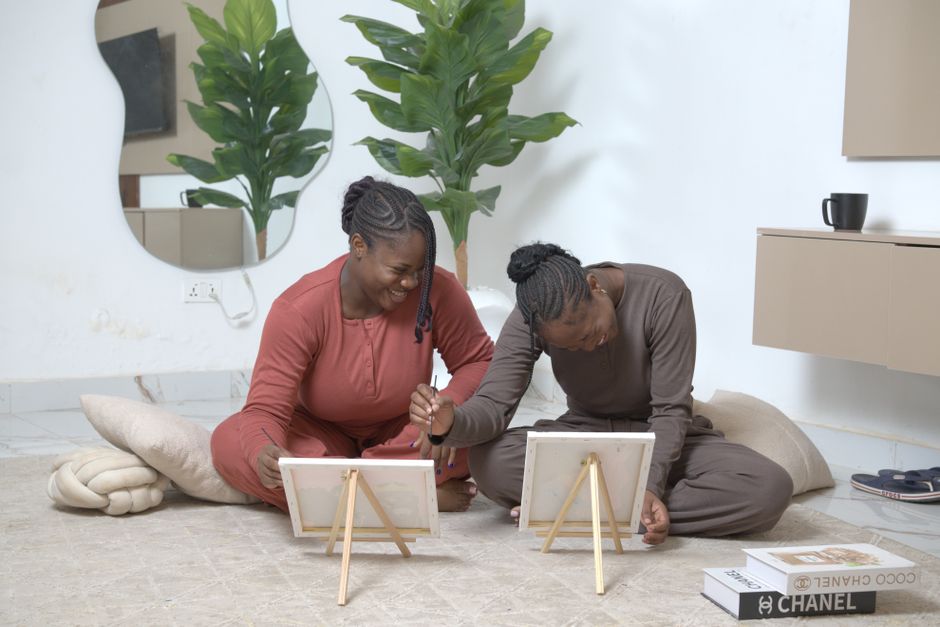
Introduce plants and textiles to add warmth and texture. Plants not only enhance air quality but also bring life and color into a room.
- Use vertical plant stands to save floor space.
- Choose lightweight, flowing fabrics for curtains to ensure light penetration.
- Layer textiles like rugs and cushions for added comfort and style.
Conclusion
Decorating a small space requires creativity and a keen eye for detail, but it can be a truly rewarding experience. By intelligently using color and lighting, optimizing your layout, and selecting functional furniture, you can create a beautiful and efficient living space that caters to your needs and reflects your personality. Whether you’re in a high-rise in Lagos or a cozy home in Port Harcourt, these tips will help you maximize every inch of your space, proving that small doesn’t have to mean limited in style or comfort.
Now, it's your turn to bring these ideas to life! Embrace the challenge and transform your small space into a chic, welcoming retreat.