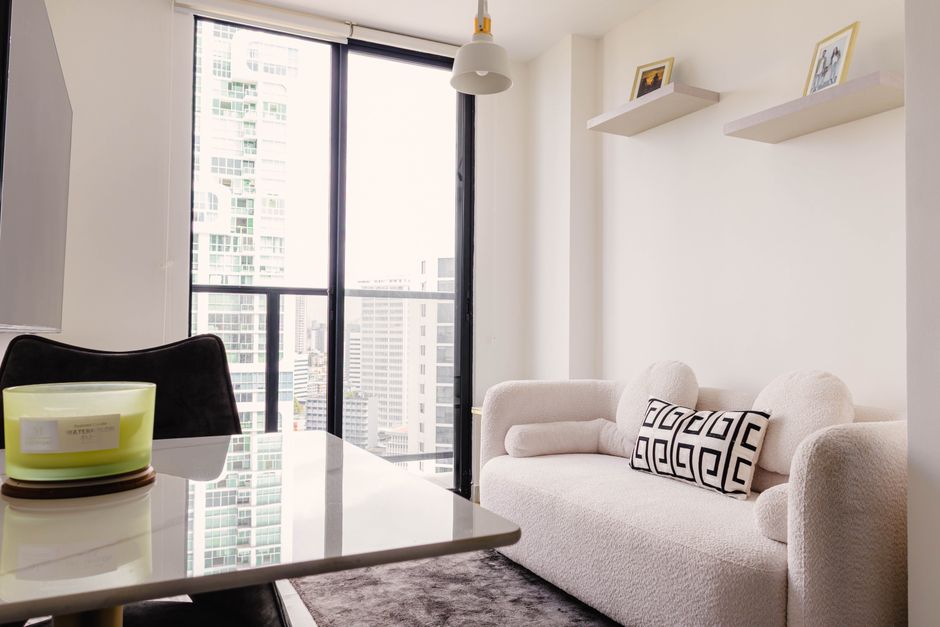
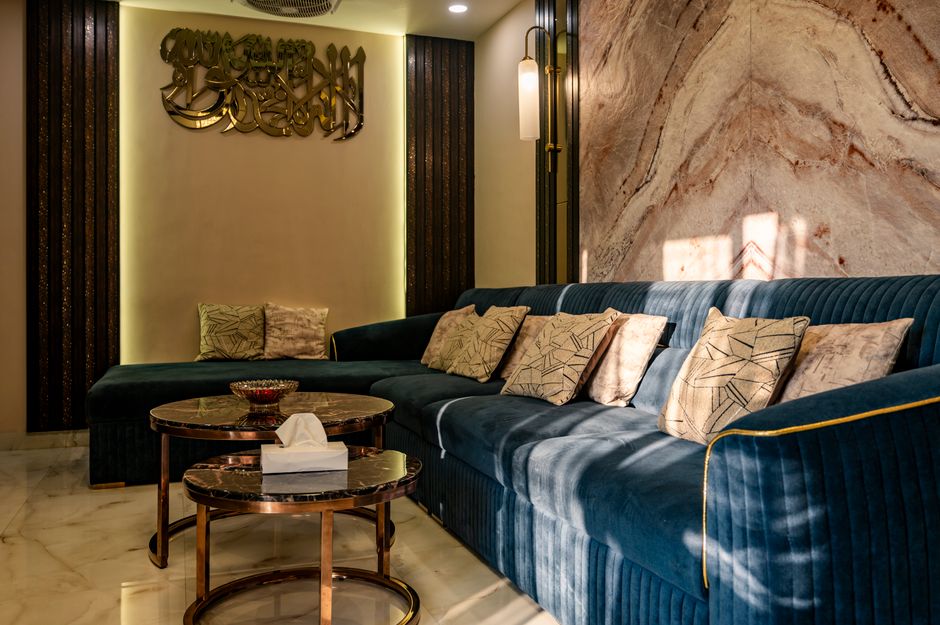
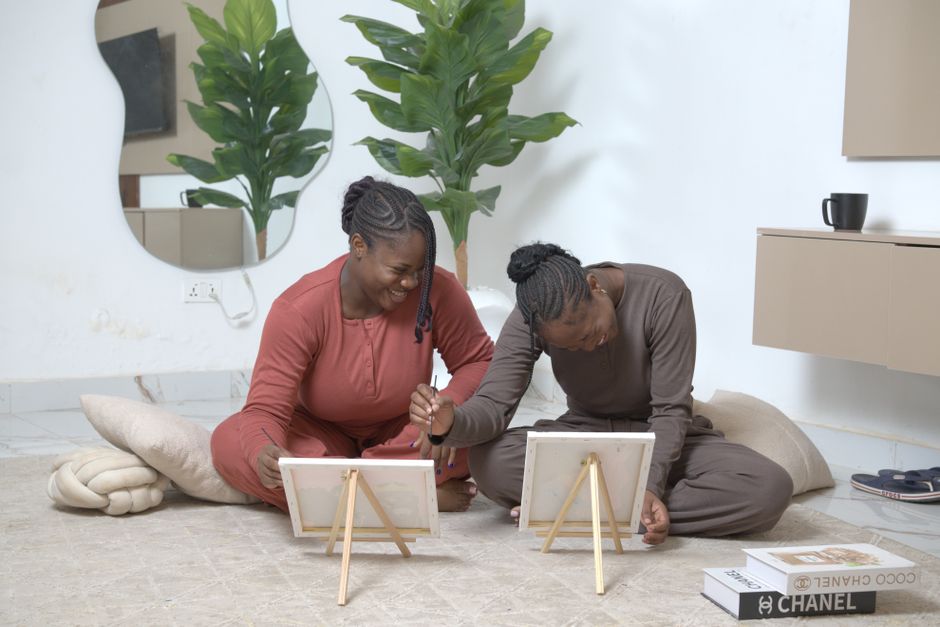
Creating a cozy and inviting atmosphere in a small Nigerian home can often feel like a challenging task. With limited space, it's crucial to maximize every square meter while ensuring that your home feels open and welcoming. One of the best ways to achieve this is through strategic use of lighting. Well-thought-out lighting can transform a cramped area into a bright, airy space that not only looks bigger but feels more comfortable. In this guide, we'll explore smart lighting tips specifically designed for small Nigerian spaces, helping you illuminate your home in style.
Lighting plays a vital role in interior design, especially in small homes where every detail counts. Whether you're living in a compact apartment in Lagos or a cozy house in Abuja, the right lighting can make all the difference. Let's delve into practical and efficient lighting strategies that will enhance your small space, making it feel more spacious and inviting.
Understanding the Basics of Lighting
The Importance of Layered Lighting
Layered lighting involves using different types of lighting to create a balanced and versatile illumination. This technique is particularly beneficial in small spaces where a single light source can create harsh shadows and leave corners dim.
- Ambient Lighting: This is your general lighting that provides overall illumination. In small spaces, ceiling-mounted lights or recessed lights work well to provide even coverage.
- Task Lighting: Focused lights used for specific tasks like reading or cooking. Consider under-cabinet lights in the kitchen or desk lamps in your study area.
- Accent Lighting: These lights are used to highlight specific objects or architectural features in your home, such as artwork or textured walls.
"Layering different types of lighting can create depth and dimension in a small space, making it feel larger than it is."
Choosing the Right Light Fixtures
Space-Saving Light Designs
When dealing with limited space, opting for compact and multi-functional lighting fixtures can help save space and add a touch of style.
- Wall Sconces: Excellent for small rooms as they free up floor and table space while providing warm, inviting light.
- Ceiling-Mounted Lights: These are ideal for small spaces as they provide ample light without taking up any valuable floor space.
- Adjustable Lamps: Lamps with adjustable arms or shades can be directed to different areas, offering flexibility.
Embracing Decorative Lighting
Decorative lighting can double as a decor element, enhancing the aesthetic of your space while also providing necessary light.
- Chandeliers: Small or medium-sized chandeliers can add a touch of elegance to your living room or dining area without overwhelming the space.
- Pendant Lights: These are great over kitchen islands or dining tables, offering both function and style.
Maximizing Natural Light
Utilizing Windows Effectively
Natural light is a free and beautiful way to illuminate your home. Make the most of your windows to brighten up your space.
- Keep window treatments light and airy to allow maximum light penetration.
- Use mirrors strategically to reflect natural light and spread it throughout the room.
- Opt for light-colored paints on walls to enhance the effect of natural light.
"Mirrors are your best friends in a small space, as they can reflect light and create the illusion of depth."
Incorporating Skylights
If feasible, skylights can be a fantastic way to bring in more natural light without compromising privacy, especially in densely populated areas.
Color and Light Temperature
Choosing the Right Colors
Light colors can help open up a small space, making it feel more expansive.
- White and Neutral Tones: These colors reflect light well, making the room appear larger.
- Pastels: Soft pastels can add a hint of color while still maintaining a light and airy feel.
Understanding Light Temperature
The color temperature of your bulbs can affect the mood and feel of your space.
- Warm Light: Perfect for creating a cozy, intimate atmosphere in living rooms and bedrooms.
- Cool Light: Ideal for workspaces and kitchens where clarity and focus are needed.
Lighting Tips for Specific Areas
Kitchen Lighting
A well-lit kitchen makes cooking more enjoyable and efficient. Consider these tips for maximizing light in small kitchens.
- Install under-cabinet lighting to illuminate countertops and reduce shadows.
- Use bright overhead lights to ensure the entire space is well-lit.
Bedroom Lighting
Your bedroom should be a relaxing retreat, and the right lighting can help set the mood.
- Opt for bedside lamps with adjustable brightness for reading.
- Incorporate dimmable lights to easily transition from day to night.
Conclusion
Lighting is an essential component of interior design that should never be overlooked, particularly in small spaces. By strategically selecting and arranging your lighting, you can not only enhance the functionality of your home but also create a warm and welcoming atmosphere. Whether you're utilizing natural light to its fullest or experimenting with layered lighting techniques, each choice can have a significant impact on your living space. With these smart lighting tips, you can transform your small Nigerian home into a bright and inviting sanctuary.