Living in a compact space challenges us to think creatively about our environment. For many Nigerian city dwellers, maximizing every square meter is crucial, especially in bustling urban areas like Lagos and Abuja where space comes at a premium. But don't worry, small spaces can be both stylish and functional with the right design approaches. Let’s explore how to transform your small living area into a cozy, efficient, and aesthetically pleasing haven.
Maximizing Small Spaces should not feel like a daunting task; rather, it’s an opportunity to unleash your creativity. Using smart design and layout tips, anyone can turn a cramped area into a welcoming home. Whether it's incorporating multipurpose furniture or choosing the right colors and lighting, every decision can significantly impact the look and feel of your space.
Smart Furniture Choices
Furniture is the backbone of any living space. In small areas, it's essential to select pieces that serve multiple functions, thereby maximizing utility without overcrowding your room.
Invest in Multipurpose Furniture
Consider furniture pieces that offer more than one use. A sofa bed, for example, provides a place for guests to sit during the day and converts to a bed at night. Similarly, ottomans with storage can be used as seating or coffee tables while providing extra space to tuck away items.
- Sofa Beds: Perfect for transforming living rooms into guest rooms.
- Storage Ottomans: Offer hidden storage and extra seating.
- Drop-leaf Tables: Extendable tables for eating or working, great for small dining areas.
These choices not only save space but also enhance the functionality of your living areas.
Utilize Vertical Space
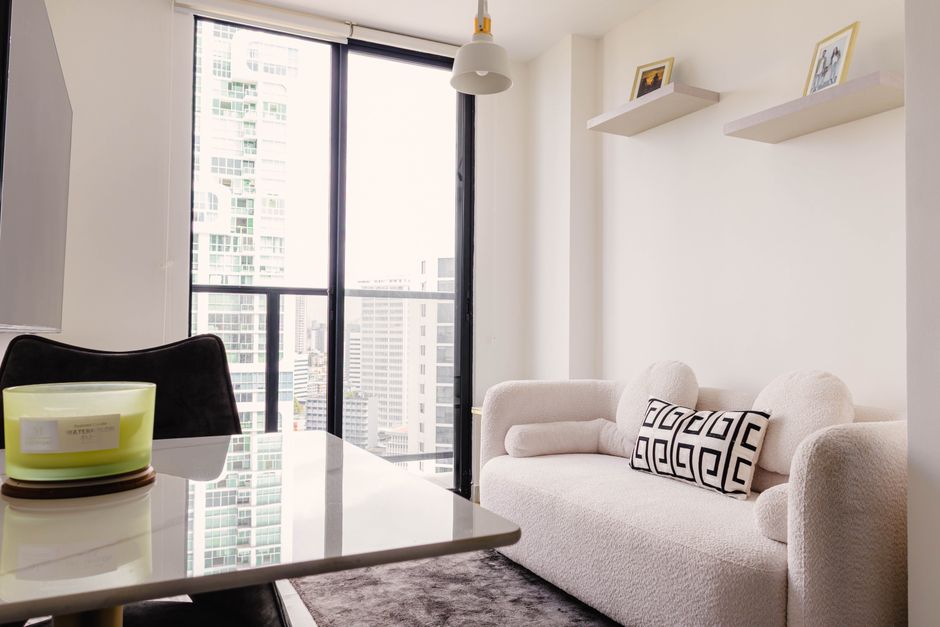
Many people overlook the benefits of vertical space. Use tall bookshelves, wall-mounted cabinets, and floating shelves to keep the floor area clear.
- Floating Shelves: Ideal for displaying decor without using floor space.
- Wall-mounted Cabinets: Store essentials without sacrificing style.
- Lofted Beds: Elevate the sleeping area and use the space underneath for a desk or seating.
"Utilizing vertical space is a game-changer in small room design."
Optimizing Layout
How you arrange your furniture heavily influences the flow and functionality of the space. A well-thought-out layout can make a small room feel open and welcoming.
Create Zones
Designate specific areas for different purposes, such as a reading nook, a workspace, or a dining corner. Use rugs, furniture placement, and lighting to define these zones.
- Rugs: Use them to delineate distinct areas.
- Room Dividers: Portable screens or curtains can separate areas without building walls.
- Strategic Lighting: Different light sources can highlight specific zones.
This zoning strategy makes a small space more organized and functional.
Flow and Accessibility
Ensure there's ample space to move around by keeping pathways clear. Avoid arranging furniture in a way that blocks walkways.
"The flow of a room can enhance its comfort and usability."
The Power of Color and Lighting
Color and lighting can dramatically alter the perception of space. Light colors and strategic lighting can make a room feel larger.
Choose Light and Neutral Colors
Opt for whites, creams, and pastels as they reflect light and make spaces feel airy.
- Ceiling Colors: Light shades can make a ceiling appear higher.
- Accent Wall: A pastel accent wall adds interest without closing in the space.
Strategic Lighting
Natural light is your best ally. Use sheer curtains to allow maximum daylight, and add mirrors to reflect it throughout the room.
- Mirrors: Hang them opposite windows to double the light effect.
- Layered Lighting: Combine ambient, task, and accent lighting.
These tricks are simple yet incredibly effective in small spaces.
Decorative Tricks
Even small spaces deserve a personal touch. Use decor to add personality without adding clutter.
Keep It Minimal
Adopt a minimalist approach to decor. Select a few impactful pieces rather than crowding the space with many items.
- Artworks: One large piece instead of multiple small ones.
- Plants: Small potted plants can bring life without taking much space.
Optical Illusions
Use decor to create visual tricks. For example, hang curtains close to the ceiling to make windows appear taller.
"In small spaces, less is more. Every piece should serve both function and aesthetic."
Conclusion
Small spaces, with the right design approach, can feel spacious and inviting. From selecting multipurpose furniture to optimizing layout, using color judiciously, and employing strategic lighting, every aspect plays a crucial role in enhancing the space. By incorporating these smart design tips, you can transform any compact area into a functional and stylish haven. Remember, creativity and planning are your best tools in small space living.