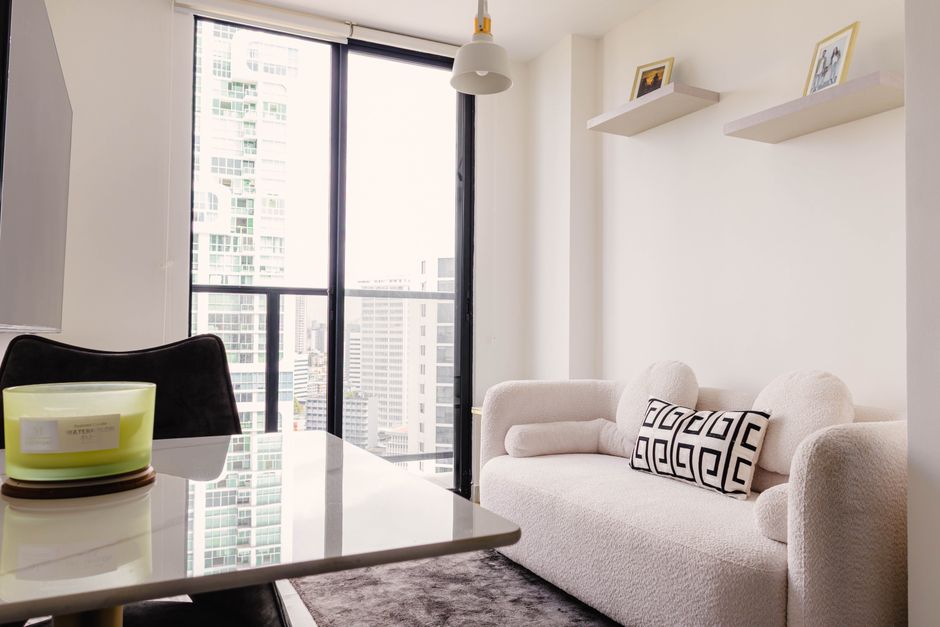
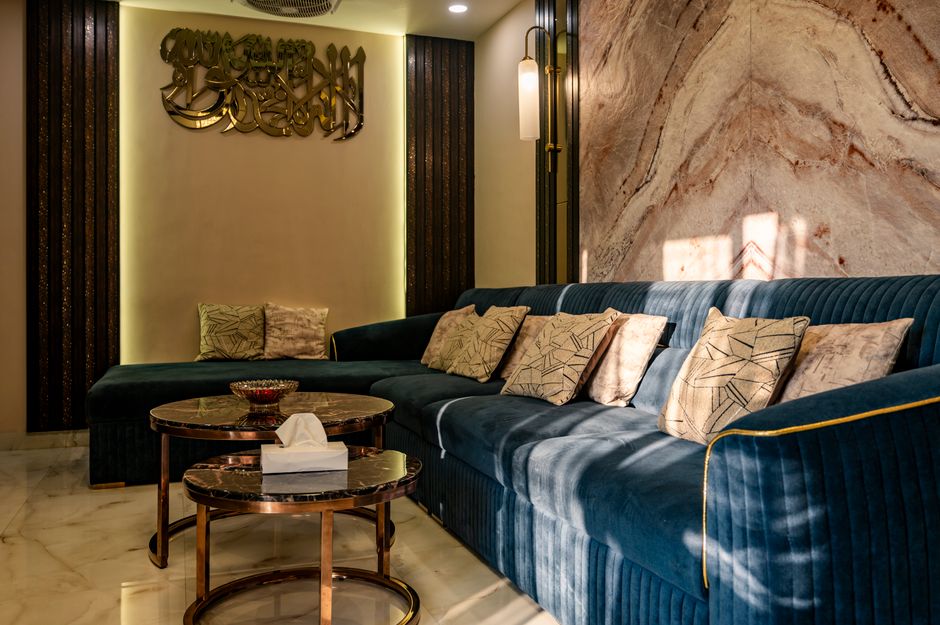
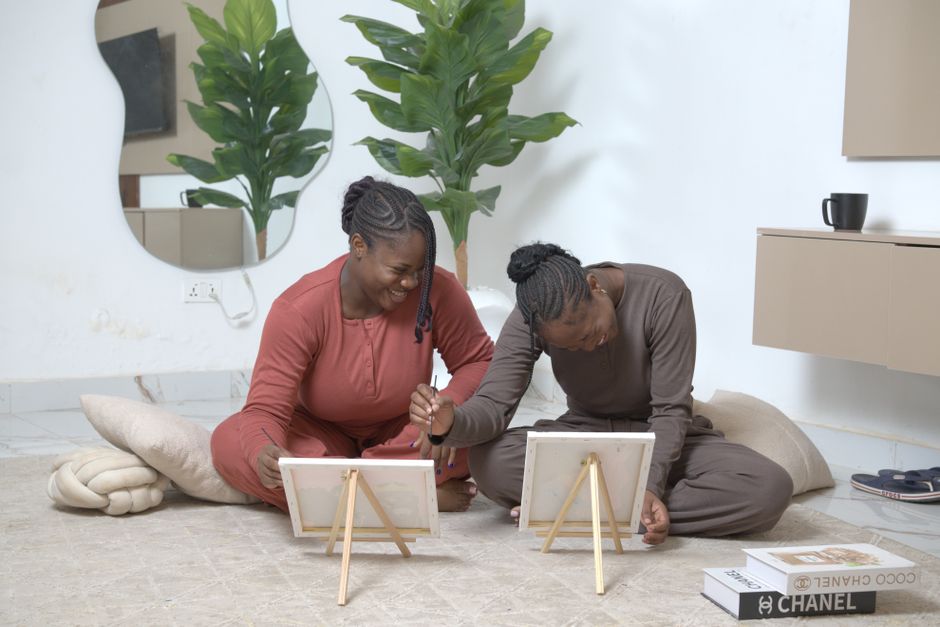
Living in a compact space can often feel like a challenge, especially when you're trying to infuse a sense of style and comfort into your home. In Nigeria, where urban living often means smaller homes or apartments, maximizing every inch becomes essential. But worry not, with the right approach to small space décor, you can create a home that feels spacious, functional, and uniquely yours.
By choosing the right furniture, playing with colors and lighting, and employing smart layout techniques, you can transform even the tiniest of spaces into cozy retreats. Let's dive into some practical and effective strategies to make the most of your small space.
Choosing the Right Furniture
Multi-functional Pieces
In a small space, every piece of furniture needs to serve a purpose, or better yet, multiple purposes. Consider investing in furniture that can transform to suit your needs, such as a sofa bed or a coffee table with storage.
- Sofa Beds: Perfect for accommodating guests without needing an extra room.
- Storage Ottomans: Serve as both seating and storage for items like blankets or magazines.
- Extendable Tables: Great for hosting friends or family over dinner without permanently occupying space.
Scale and Proportion
When it comes to small spaces, scale is crucial. Choose furniture that fits the size of the room without overwhelming it. Opt for slimmer profiles and avoid bulky furniture.
"In small spaces, less is more. Opt for furniture with clean lines and compact forms."
Effective Color and Lighting Strategies
Light Colors for Illusion
Light colors can make a room feel larger and more open. Consider using soft whites, light greys, or warm pastels to brighten up the space.
Additionally, incorporating mirrors can reflect light and create the illusion of a larger area.
Layered Lighting
For a cozy atmosphere, employ a combination of lighting sources. Use ceiling lights, floor lamps, and table lamps to create a layered effect.
- Natural Light: Maximize natural light with sheer curtains.
- Accent Lighting: Highlight art pieces or architectural elements with spotlights.
- Ambient Lighting: Use dimmable lights to adjust the mood as needed.
Smart Layout Techniques
Open Floor Plans
If possible, consider an open floor plan to make the area feel more spacious. Remove unnecessary partitions to create a more unified space.
For example, a combined living and dining area can make your home feel open and airy.
Vertical Space Utilization
Don't forget to use vertical space effectively. Install shelves or cabinets that reach towards the ceiling to store items and keep the floor area free.
"Think vertically. Use wall-mounted storage to free up floor space and add visual interest."
Incorporating Personal Style
Statement Pieces
Even in a small space, you can incorporate statement pieces that reflect your personality. Choose one or two standout items that will capture attention without cluttering the space.
- Artwork: A bold piece of art can serve as a focal point.
- Rugs: Use rugs to define spaces and add texture.
- Accent Walls: A single wall painted in a darker shade can add depth and interest.
Plants and Greenery
Introduce houseplants to bring life and color into your home. They can also improve air quality and add a calming element to your space.
Consider low-maintenance plants like succulents or snake plants that thrive in smaller environments.
Conclusion
Maximizing small spaces doesn't mean sacrificing style or comfort. By carefully selecting furniture, playing with color and lighting, and utilizing smart layouts, you can turn your compact home into a sanctuary that reflects your personal style. Remember, the key is to be intentional with every design choice, ensuring each component serves a purpose and enhances the overall aesthetic.
With these tips, you're well on your way to creating a beautiful, functional, and inviting space, no matter the size.