Lighting plays a crucial role in the interior design of any space, especially in smaller Nigerian homes where every square meter counts. By smartly utilizing both natural and artificial lighting, you can transform even the tiniest of rooms into an inviting, functional haven. This guide will explore practical ways to enhance lighting in small Nigerian spaces, using clever décor techniques that combine tradition with modern flair.
Whether you're living in a compact city apartment or a cozy house in the heart of Abuja, the right lighting can make all the difference. Our journey will illuminate strategies to brighten up your home, boost its aesthetic appeal, and create a more spacious feel.
Understanding the Role of Natural Light
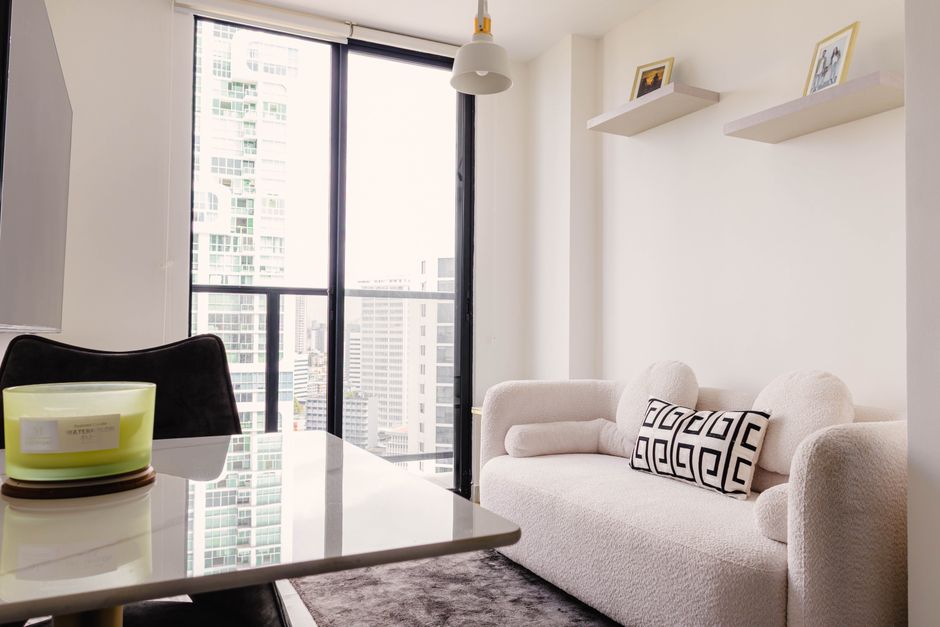
Natural light is a free and abundant resource that can be harnessed to enhance the ambiance and perceived size of your home. In Nigeria, where sunlight is plentiful, making the most of natural light should be a top priority.
Maximizing Window Space
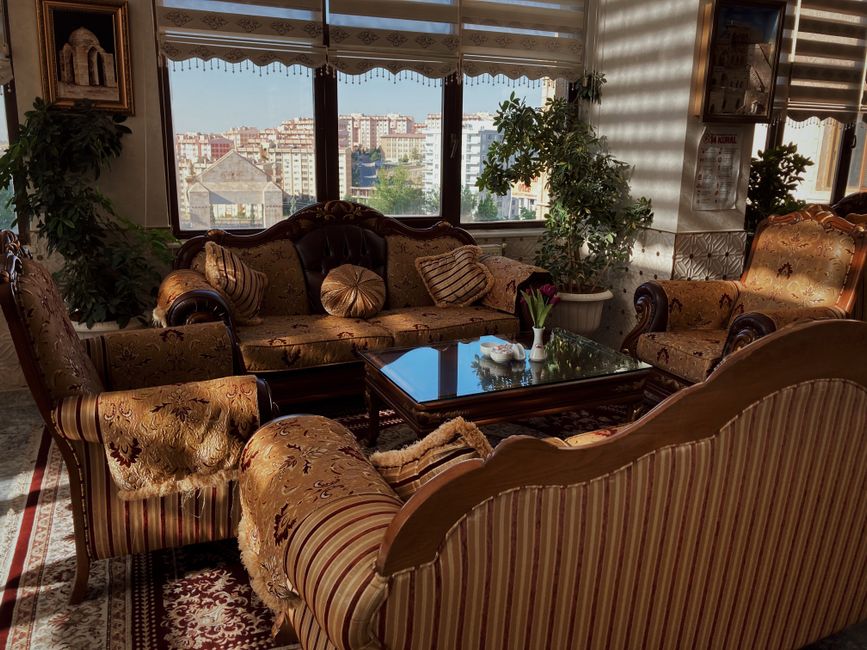
- Keep Windows Unobstructed: Avoid heavy drapery and opt for sheer curtains that allow sunlight to filter through.
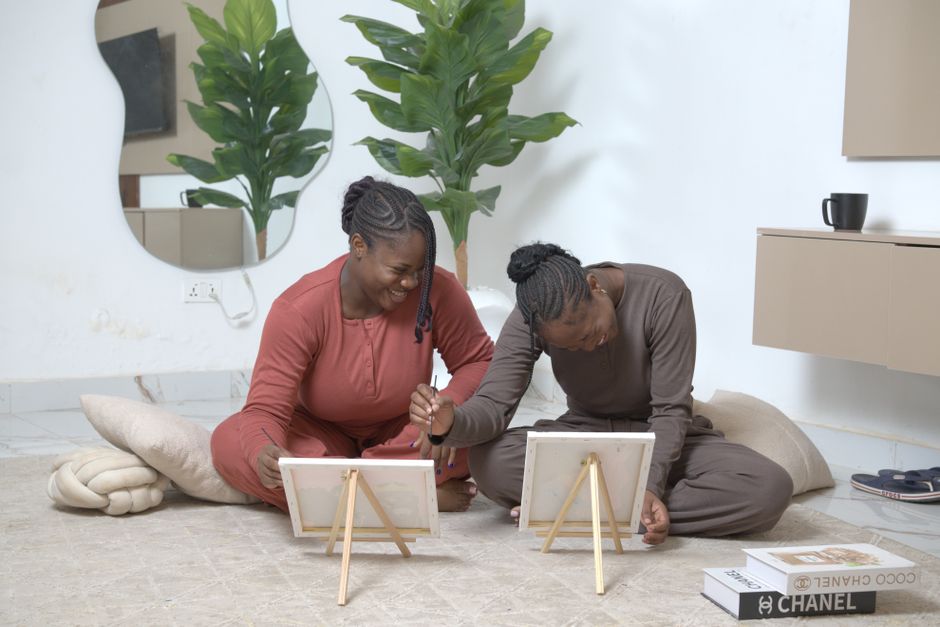
- Use Mirrors Strategically: Place mirrors opposite windows to reflect light and create a sense of depth.
Skylights and Solar Tubes
If your home design permits, consider installing skylights or solar tubes. These additions can significantly increase the amount of daylight entering your home, reducing the need for artificial lighting during the day.
Strategic Use of Artificial Lighting
Artificial lighting complements natural light and is essential for evening hours or overcast days. Here are effective ways to use artificial lighting:
Layered Lighting Approach
Employ a layered lighting strategy to create a balanced and flexible lighting scheme.
- Ambient Lighting: This is your primary light source, providing overall illumination. Use ceiling fixtures or recessed lighting for an even spread.
- Task Lighting: Specific task areas like kitchen counters or study desks benefit from focused light sources, such as pendant lights or table lamps.
- Accent Lighting: Highlight architectural features or artwork using spotlights or picture lights.
Choosing the Right Bulbs
Select bulbs that mimic natural light. LED bulbs with a color temperature of 2700K to 3000K are ideal for creating a warm and inviting atmosphere.
Color and Décor Choices
The colors and décor you choose can significantly affect how light is perceived in a space.
Opt for Light Colors
Light colors reflect more light than dark colors, making a room feel bigger and brighter. Consider pale shades of blue, green, or beige for walls and ceilings.
Reflective Surfaces
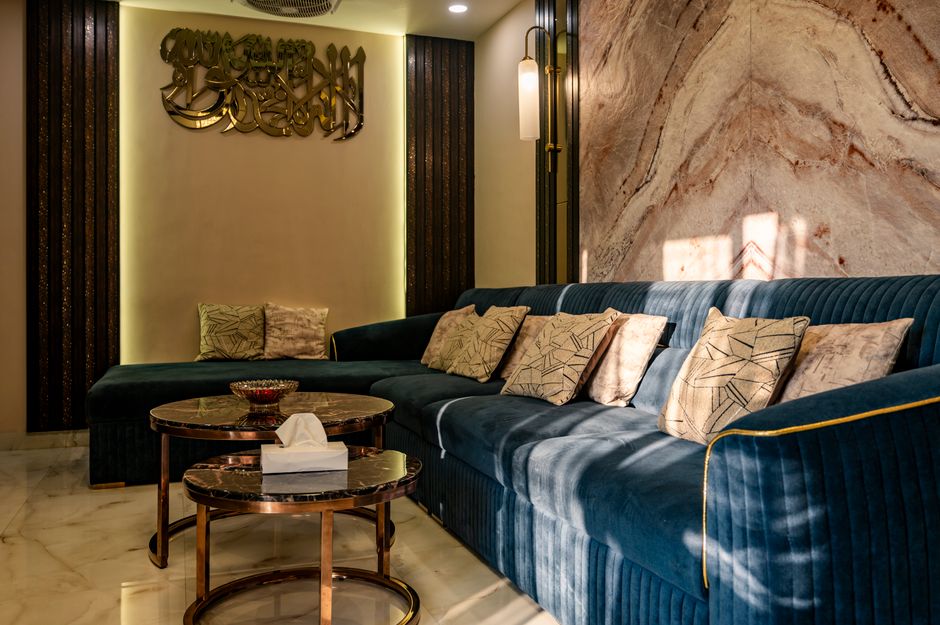
Incorporate glossy finishes or metallic accents in furniture and décor to bounce light around the room.
Innovative Décor Techniques
Small spaces can benefit from creative décor solutions that enhance lighting and functionality.
Transparent Furniture
Use glass or acrylic furniture to maintain a light, airy feel without obstructing light pathways.
Floating Shelves
Install floating shelves to store items without taking up significant floor space, allowing more light to reach lower areas of the room.
Conclusion
Enhancing lighting in small Nigerian homes involves a blend of natural and artificial strategies, complemented by smart color and décor choices. By maximizing natural light, employing a layered lighting approach, and using light-reflective décor, you can create a bright, welcoming home that feels much larger than it is. Remember, the key is to adapt these techniques to your unique space and personal style, ensuring your home is not only better lit but also truly yours.