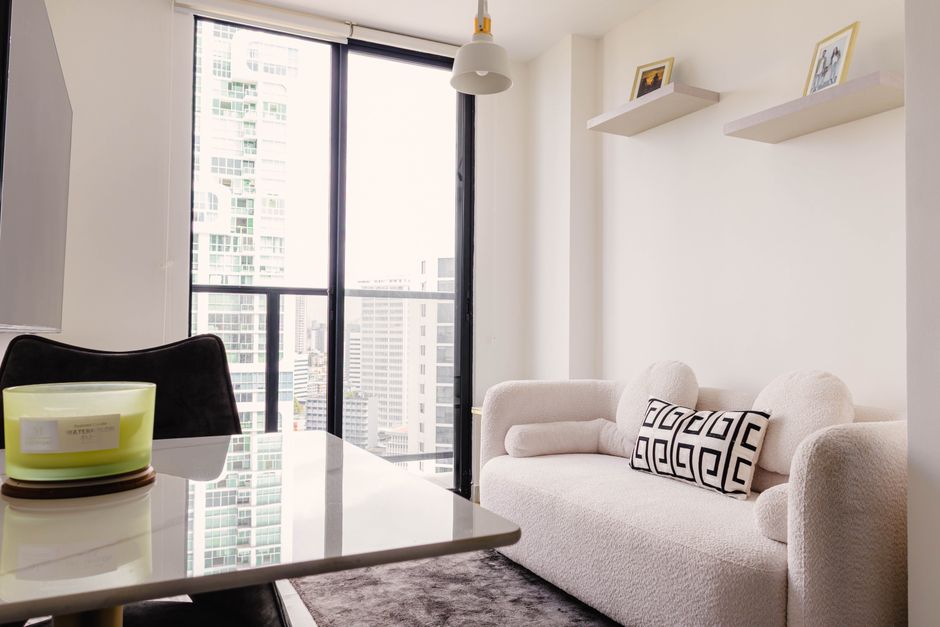
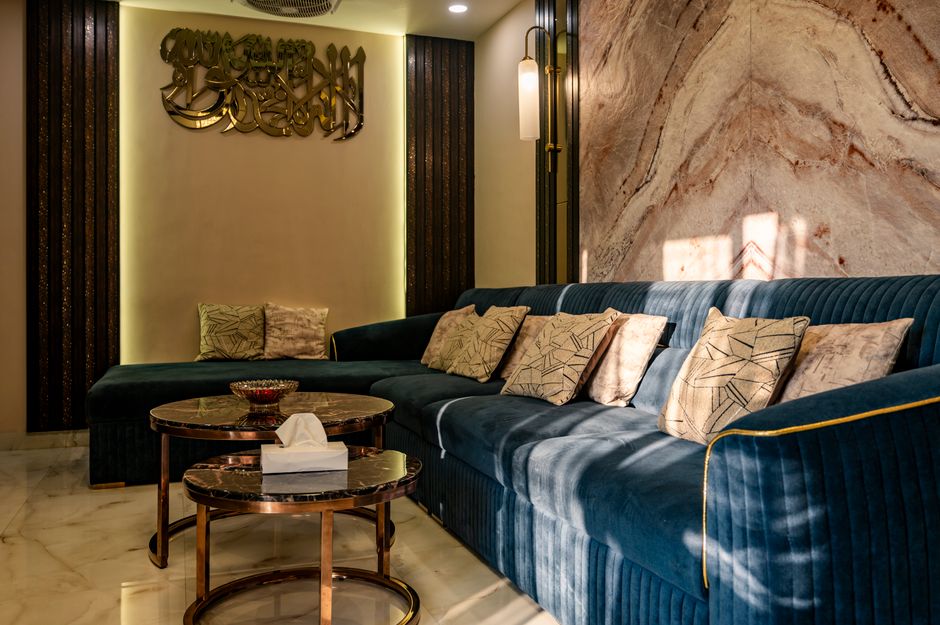
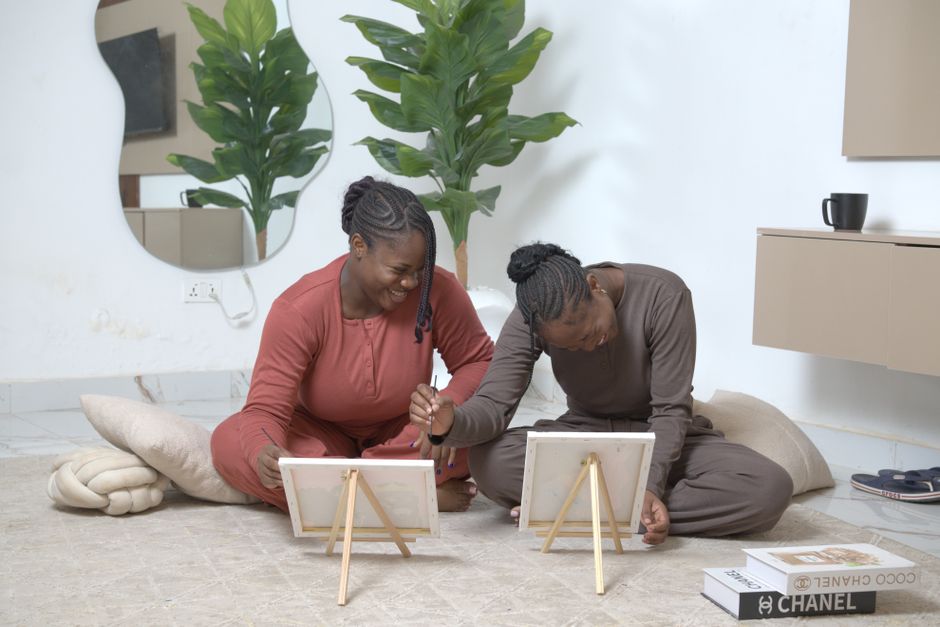
The living room is often considered the heart of the home—a place where families gather, guests are entertained, and relaxation is cherished. In Nigerian homes, this space can sometimes be limited, especially in urban areas where apartments and smaller houses are common. But fear not, with the right furniture and layout strategies, you can transform your living room into a spacious and functional area that reflects both comfort and style.
Whether you're living in a bustling city like Lagos or a quieter town, these tips will help you make the most of your living space. This guide will walk you through essential furniture layout strategies specifically tailored for Nigerian homes, ensuring your living room is both inviting and practical.
Understanding Your Space
Measure and Plan
Before purchasing any furniture, take the time to measure your living room. Knowing the dimensions of your space will guide your decisions and help avoid purchasing items that won't fit.
- Use a tape measure to record the length, width, and height of the room.
- Sketch a simple floor plan on paper, noting the placement of windows and doors.
- Consider how traffic will flow through the room—ensure there's a clear path for movement.
Planning is crucial. Having a clear vision and understanding of your space will make the decorating process much smoother.
Identify Focal Points
Every well-designed room has a focal point—a feature that draws attention and serves as the anchor for the layout. In Nigerian homes, this could be a large piece of artwork, a television, or a scenic window that offers a view.
Pro Tip: Use the focal point to guide the arrangement of your main furniture pieces, ensuring they complement rather than compete with it.
Choosing the Right Furniture
Prioritize Multi-functional Pieces
In smaller spaces, selecting furniture that serves multiple purposes is key. Look for items like sofa beds, storage ottomans, and extendable dining tables that offer flexibility and functionality.
- Sofa Beds: Ideal for accommodating overnight guests without the need for a separate guest room.
- Ottomans: Use them as additional seating, a coffee table, or for storage.
- Extendable Tables: Perfect for small dining areas, these can be expanded when entertaining guests.
These choices not only save space but also add versatility to your living area.
Opt for Light and Compact Designs
Bulky furniture can easily overwhelm a small room. Instead, choose pieces with sleek designs and light materials to create an airy feel.
- Consider furniture with exposed legs as they take up less visual space.
- Glass or acrylic tables are great options as they appear less heavy.
- Modular units that can be adjusted or moved around offer flexibility in tight spaces.
Such designs help maintain a sense of openness and prevent the room from feeling cluttered.
Strategic Furniture Placement
Avoid Pushing Furniture Against Walls
While it might be tempting to push all furniture against the walls to free up space in the middle, this can sometimes make the room feel disconnected. Try bringing some pieces inward to create cozy conversation areas.
Expert Tip: Allow for breathing room around furniture to create a more inviting and functional space.
Use Rugs to Define Areas
Area rugs are excellent for defining separate zones within a living room, especially in open-plan spaces common in Nigerian homes. They anchor furniture groups and add texture.
- Choose a rug that complements your color scheme and fits the size of your seating area.
- Ensure all front legs of furniture pieces sit on the rug to create cohesion.
This technique helps to visually separate different functions within the room, such as seating, dining, or study areas.
Incorporating Personal Style
Add Nigerian Touches
Infuse your living room with elements that reflect your culture and personality. Incorporate traditional Nigerian textiles like Ankara or Aso Oke as cushions or wall hangings.
- Use colorful throws or cushions to add vibrancy and warmth.
- Display handcrafted items or artwork that showcase Nigerian artistry.
These touches not only personalize your space but also celebrate your heritage.
Mix Patterns and Textures
Don't shy away from mixing patterns and textures. Combining different materials and designs can add depth and interest to your living room.
- Pair a soft couch with a textured wool rug.
- Mix metallic elements like brass or copper with wooden furniture.
This approach brings a dynamic and layered look that feels rich and inviting.
Lighting and Accessories
Maximize Natural Light
Natural light can make a small room feel larger and more welcoming. Keep window treatments light and airy to allow in as much sunlight as possible.
Insider Advice: Use mirrors strategically to reflect natural light and create an illusion of more space.
Choose the Right Lighting Fixtures
Layering different types of lighting will enhance the atmosphere and functionality of your living room.
- Overhead Lighting: A central chandelier or ceiling light can provide general illumination.
- Task Lighting: Table or floor lamps are great for reading corners.
- Ambient Lighting: Use LED strips or wall sconces to add a soft glow.
Consider energy-efficient options that help save on electricity bills while maintaining a cozy ambiance.
Conclusion
By thoughtfully selecting furniture, planning strategic layouts, and adding personal touches, you can transform your living room into a space that is both stylish and functional. Whether your goal is to create a welcoming environment for family gatherings or a serene retreat for relaxation, these tips will help you maximize your space in a way that reflects your unique style and cultural heritage.
Remember, the key to a successful living room design lies in the balance between functionality and aesthetics, creating a harmonious space that you and your loved ones will enjoy for years to come.