Living in a bustling Nigerian city often means adapting to smaller living spaces. Whether you’re in Lagos, Abuja, or any other vibrant city across Nigeria, making the most of your home’s layout without compromising on style can be challenging. But worry not, as we delve into the art of maximizing small spaces with interior design solutions that not only enhance functionality but also reflect your unique cultural style.
In this article, we will explore practical and ingenious strategies to transform your compact apartment or house into a spacious sanctuary. From furniture choices to innovative storage solutions, each idea is tailored to fit the unique aspects of Nigerian living, ensuring your home is both beautiful and efficient.
Understanding Your Space
Before diving into decorating, it’s crucial to understand your space. Assess the dimensions and architectural quirks of your home. Knowing the ins and outs of your living area allows you to plan effectively.
Mapping Out Your Home
Start by creating a basic floor plan. This doesn’t have to be overly detailed; a simple sketch will suffice. Mark out the locations of windows, doors, and fixed fixtures.
Consider the natural flow of movement in your home. Identify areas that can be multi-functional, such as a dining area that also serves as a workspace.
Emphasizing Natural Light
Natural light not only makes spaces feel bigger but also more welcoming. Make the most of windows by using light, airy curtains or blinds.
Avoid heavy drapes that block out sunlight. Instead, opt for sheer fabrics that let in light while maintaining privacy.
Choosing the Right Furniture
In small spaces, every piece of furniture needs to serve a purpose, or even better, multiple purposes. Opt for furniture that can adapt to your needs, providing both utility and comfort.
Multi-functional Pieces
- Sofa Beds: Perfect for hosting guests overnight without needing a separate guest room.
- Extendable Tables: These can serve as dining tables or workspace, adapting to the occasion.
- Storage Ottomans: They offer extra seating while hiding away clutter.
Furniture Arrangement
Arrange furniture to create zones within your space. This can help separate living, dining, and working areas, even within a single room.
Utilize vertical space by choosing tall bookshelves or cabinets that draw the eye upward, creating the illusion of height.
Colors and Textures
The color palette you choose can significantly impact the perception of space. Certain shades and contrasts can make your home feel larger and more cohesive.
Light and Neutral Colors
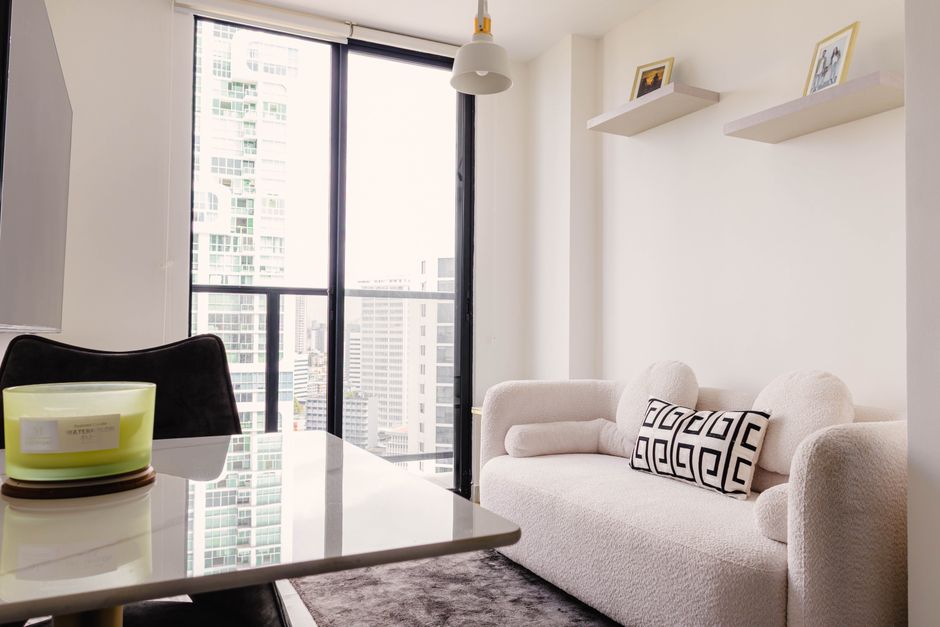
Light colors, such as whites, creams, and pastels, can make a room feel airy and open. These hues reflect light, enhancing the sense of space.
You can add personality with bolder accents, such as cushions, wall art, or rugs, creating pops of color without overwhelming the senses.
Textural Contrasts
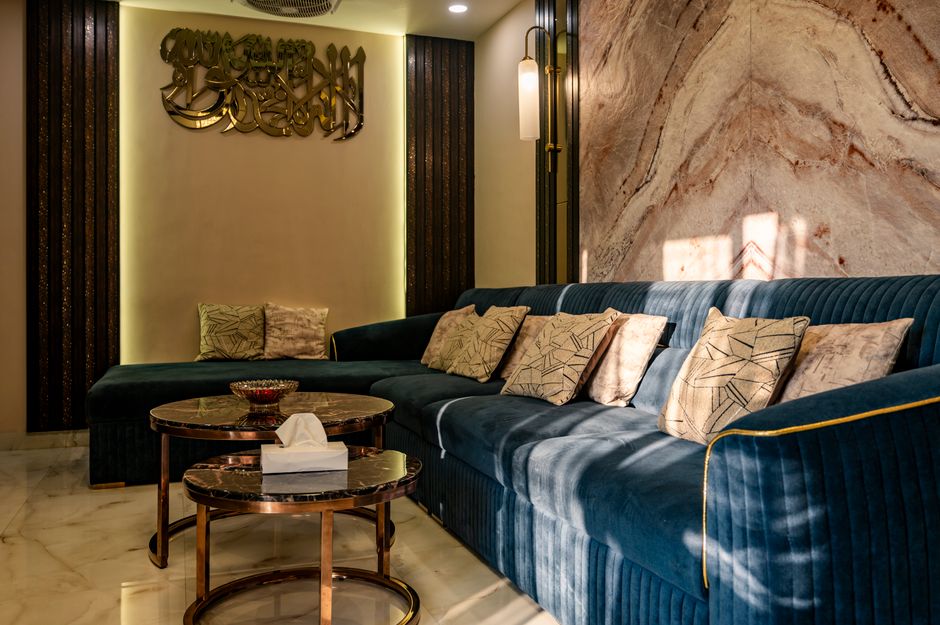
- Incorporate different textures to add depth. Consider materials like woven baskets, glass, or metal fixtures.
- Mixing textures can create visual interest, making a room feel complete without being cluttered.
"Texture is one of the most underutilized aspects of interior design, especially in small spaces. A variety of textures can create depth and warmth without overwhelming the room."
Storage Solutions
Effective storage is the backbone of any well-designed small space. By integrating smart storage solutions, you can keep your home organized and clutter-free.
Built-in Storage
Whenever possible, incorporate built-in storage. This could be under-stair cupboards, recessed shelving, or a built-in wardrobe.
Built-in solutions maximize space while maintaining a sleek, seamless look.
Creative Storage Ideas
- Use wall-mounted shelves to display books or decorative items without taking up floor space.
- Consider storage solutions that double as decor, such as stylish baskets or colorful boxes.
Incorporating Nigerian Style
Your home should be a reflection of your personality and cultural heritage. Incorporating Nigerian elements can create a space that feels uniquely yours.
Cultural Accents
Use traditional fabrics such as Ankara for cushions or throws, adding vibrant color and pattern to your decor.
Consider artworks and crafts from local artisans, supporting the community while adding authentic style to your home.
Local Materials
Utilize locally sourced materials like bamboo, rattan, or wood, which are sustainable and add a touch of nature.
These materials are not only eco-friendly but also bring a unique texture and warmth to your space.
Conclusion
Maximizing small spaces is about smart choices and creative solutions. By understanding your space, choosing the right furniture, and incorporating both practical and aesthetic elements, you can transform your Nigerian home into a sanctuary that feels both expansive and personal.
Remember, the key is to blend functionality with your unique style, crafting a space that not only meets your needs but also resonates with your identity. With the right approach, even the smallest spaces can offer limitless potential.