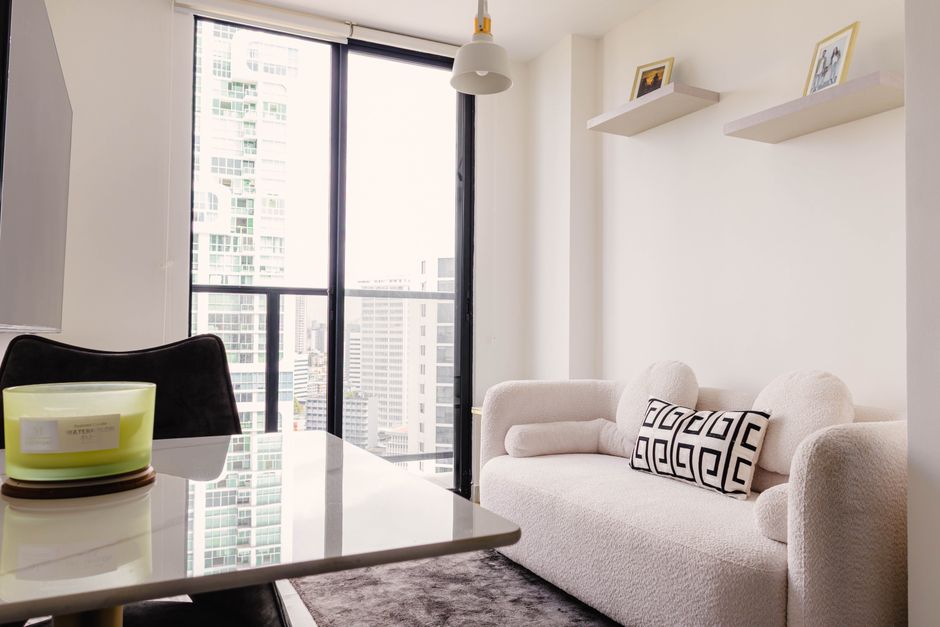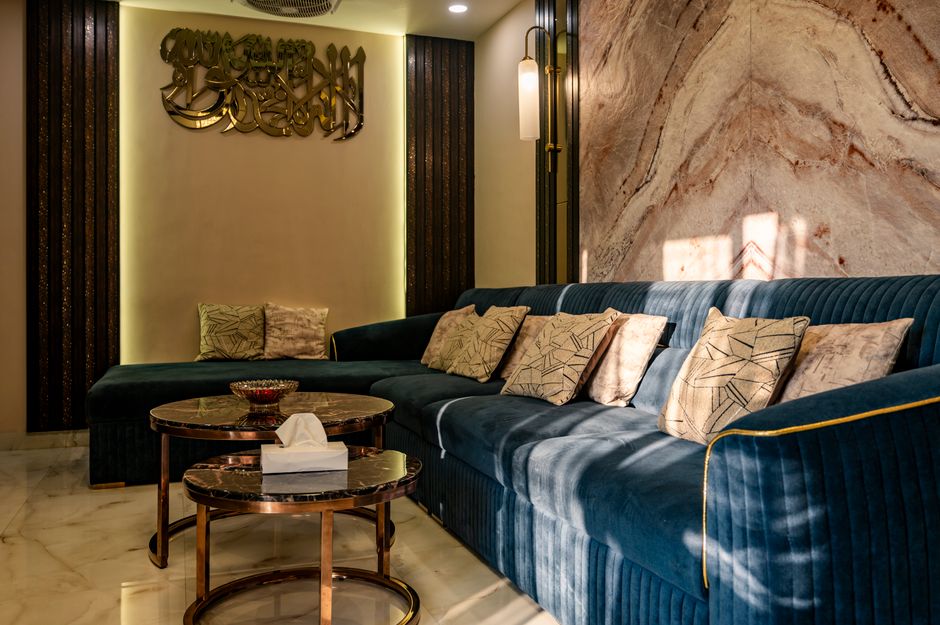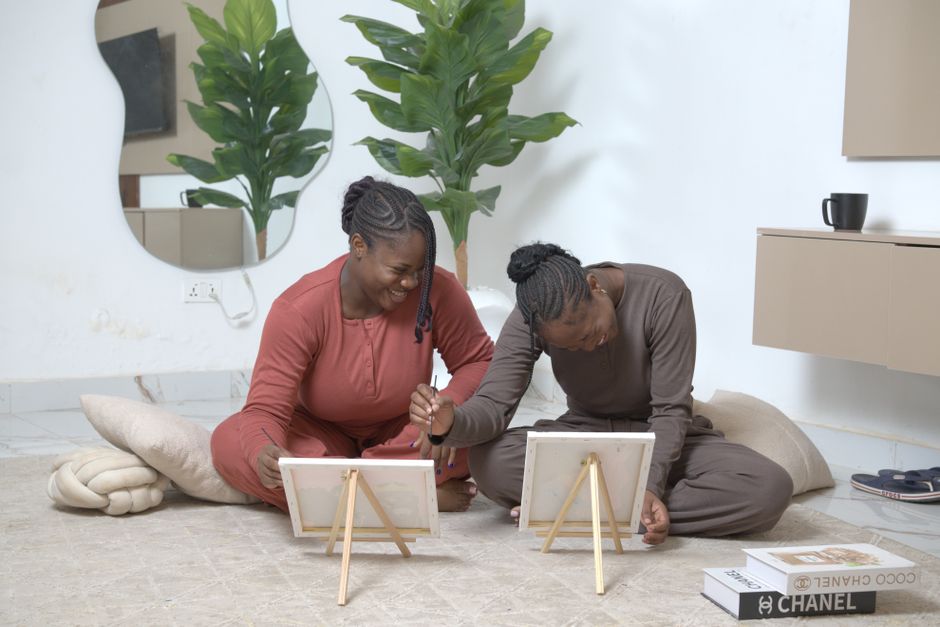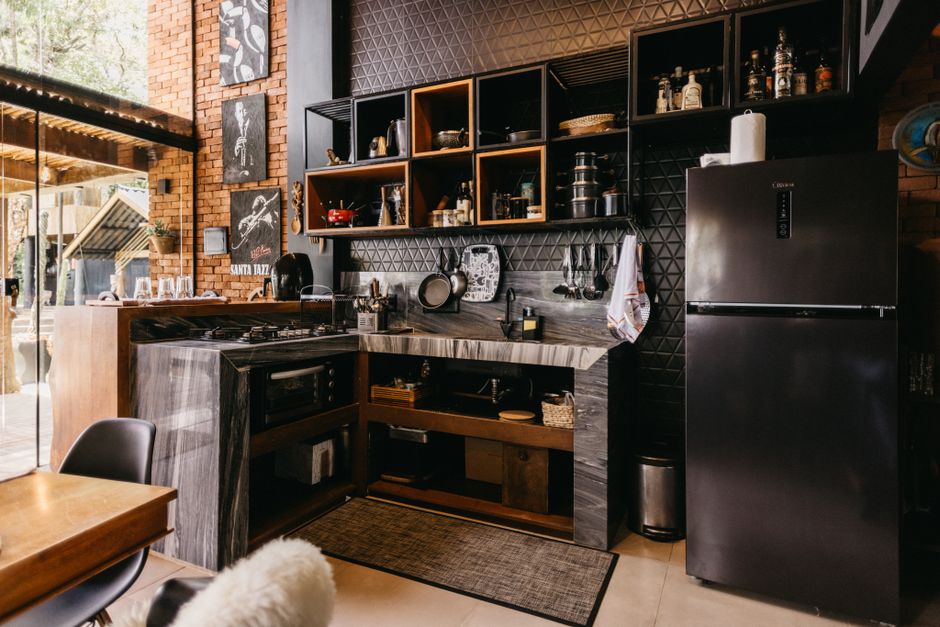
Living in a smaller space doesn't mean you have to compromise on style or comfort. Whether you're in a bustling city like Lagos or a charming town in Nigeria, making the most of your compact living area can transform it into a cozy, functional, and aesthetically pleasing environment. The key is to optimize every square inch without sacrificing your personal style. In this guide, we'll explore ingenious strategies to help you master small space décor in your Nigerian home.
From choosing the right furniture to incorporating clever storage solutions, small space living is an art and a science. By applying a few design principles and practical ideas, you can turn your tiny abode into a spacious sanctuary. Let's dive into the world of small space décor and see how you can create a home that's both beautiful and efficient.
Understanding Your Space
Assessing Your Needs and Lifestyle
Before you start making changes, it's essential to understand how you use your space. Consider your daily routines and what areas require more attention. Do you need a quiet corner for reading, or perhaps a multi-functional kitchen space?
- Make a list of your daily activities and note where they typically occur in your home.
- Identify high-traffic areas that require more open space.
- Consider the storage needs for each area to keep your home organized.
Mapping Out Your Floor Plan
Once you have a clear understanding of your needs, map out your current layout. This will help you visualize potential changes and identify opportunities to optimize the space.
- Sketch the layout of your home, including doors, windows, and built-in features.
- Note the dimensions of each room to accurately plan furniture placement.
- Consider how light enters each room, as natural lighting can significantly enhance the sense of space.
Choosing the Right Furniture
Opt for Multi-functional Pieces
In a small space, every piece of furniture should serve more than one purpose. Look for items that can transform to meet different needs.
- Sofa beds or futons are great for living rooms that double as guest spaces.
- Extendable tables can accommodate more people when needed and save space when not in use.
- Storage ottomans can function as both seating and a place to store items like blankets or magazines.
Consider Scale and Proportion
Choosing furniture that fits the scale of your room is crucial. Oversized furniture can make a small space feel cramped, while appropriately sized pieces can enhance a sense of openness.
- Avoid bulky furniture and opt for sleek, streamlined designs.
- Consider modular furniture that can be easily rearranged as needed.
- Use furniture with exposed legs to create a sense of openness.
Optimizing Storage Solutions
Vertical Storage is Key
When floor space is limited, look upwards. Vertical storage solutions can help keep your home organized without taking up valuable floor space.
- Install shelves above doorways or windows for additional storage.
- Use wall-mounted cabinets in kitchens or bathrooms to free up counter space.
- Consider tall bookcases that utilize ceiling height to maximize storage capacity.
Hidden Storage Options
Incorporating hidden storage solutions can help keep your home tidy while maintaining a minimalist aesthetic.
- Under-bed storage boxes are perfect for storing seasonal clothing or linens.
- Choose furniture with built-in storage, such as a bed with drawers or a coffee table with hidden compartments.
- Use decorative baskets to store everyday items, ensuring they are easy to access yet out of sight.
Maximizing Light and Color
Leveraging Natural Light
Natural light can make even the smallest spaces feel bigger. Utilize light to your advantage to create a bright and inviting home.
- Keep window treatments minimal to allow more light into the room.
- Use mirrors strategically to reflect light and create the illusion of more space.
- Choose light, neutral colors for walls to enhance the brightness of a room.
Bold Accents in Small Doses
While light colors can make a room feel more open, don't shy away from using bold accents to add personality and warmth.
- Add colorful throw pillows or a statement rug to liven up a neutral room.
- Incorporate art pieces or decor items that reflect your personal style.
- Use plants to bring life and freshness into your space.
The Power of Layout
Creating Defined Zones
Defining different zones within a small space can help create the illusion of multiple rooms, making the area feel larger and more functional.
- Use rugs or furniture arrangements to distinguish different areas, such as a living area, dining space, or home office.
- A room divider can provide separation while still allowing light to pass through.
- Consider using different paint colors or textures to visually separate zones.
Flow and Movement
Ensure that your layout facilitates easy movement and natural flow. This will help prevent the space from feeling cramped or cluttered.
- Leave clear pathways between furniture pieces to allow for easy navigation.
- Arrange furniture in a way that encourages conversation and interaction.
- Keep high-traffic areas free of obstacles to promote an open, airy feel.
Conclusion
Decorating a small space requires creativity and strategic planning, but the rewards are well worth the effort. By implementing these tips and embracing the potential of your compact living area, you can create a home that is not only stylish and cozy but also perfectly attuned to your needs. Remember, small spaces can be big on charm, and with the right approach, your Nigerian home can become a sanctuary that you'll love returning to every day. So start reimagining your space today, and enjoy the transformation!