When it comes to creating a home that truly reflects the vibrant spirit of Nigeria, color and lighting play pivotal roles. Whether you are in bustling Lagos or tranquil Abuja, the right use of color and lighting can transform your home into a stunning sanctuary. In this article, we delve into practical ways to enhance your interior spaces using color and lighting, tailored specifically for Nigerian homes.
Not only do these elements impact the aesthetic appeal of your home, but they also affect mood and functionality. From choosing the right paint hues to optimizing natural light, this guide will equip you with everything you need to know.
Imagine walking into a room that welcomes you with warm hues and perfectly placed lighting. It sets the mood, energizes the space, and even makes small areas appear larger. Let's explore how you can achieve this in your own home.
The Power of Color in Interior Design
Choosing the Right Color Palette
Your choice of color palette is the foundation of your home’s interior design. With Nigeria's diverse culture and vibrant environment, opt for colors that evoke warmth and vitality.
- Consider earthy tones for a calming effect, such as ochre, terracotta, or olive.
- Bright colors like turquoise or red can inject energy and vibrancy into living areas.
- Neutral tones like beige or cream provide a versatile backdrop for colorful accents.
When selecting your palette, think about how colors interact with each other. A cohesive color scheme can unify different rooms and create a harmonious flow.
Color Psychology: The Emotional Impact
Understanding color psychology can help you create desired atmospheres in each room. For instance, blues and greens are calming and perfect for bedrooms, while yellows and oranges can invigorate kitchens and dining areas.
"Colors are the smiles of nature." — Leigh Hunt
Incorporating these principles can enhance not just the look, but also the feel of your interiors.
Optimizing Natural and Artificial Lighting
Maximizing Natural Light
Nigerian homes are blessed with abundant natural light, which can be a huge asset. Here’s how to make the most of it:
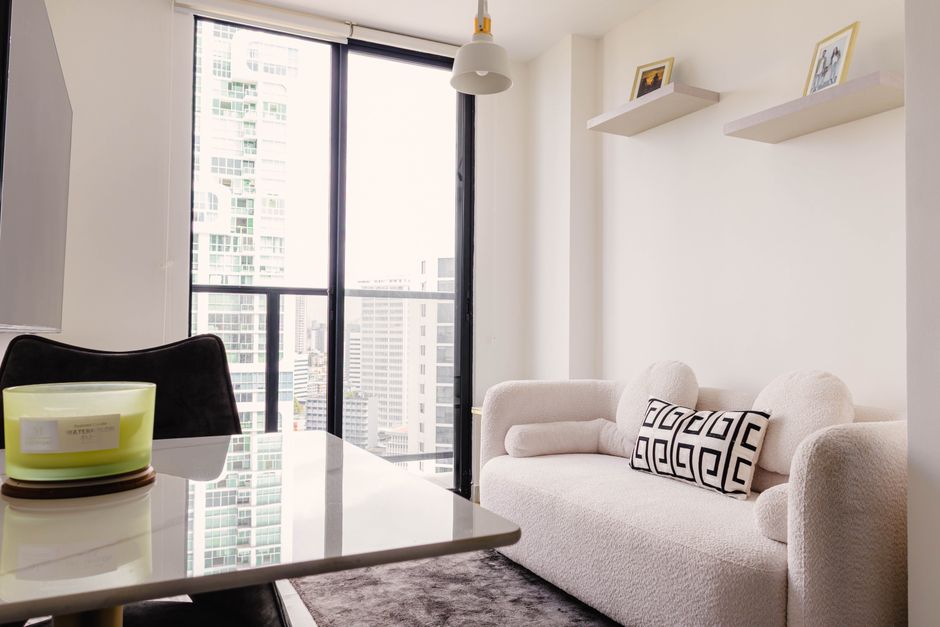
- Use light-colored window treatments that allow for sunlight penetration while maintaining privacy.
- Strategically place mirrors to reflect and amplify natural light throughout the space.
- Opt for open floor plans that minimize barriers to light flow.
Natural light not only reduces energy costs but also boosts mood and overall well-being.
Layering Artificial Lighting
Artificial lighting is crucial for functionality and ambiance, especially after sunset. Consider these layers:
- Ambient Lighting: The main source of light, usually from ceiling fixtures or recessed lights.
- Task Lighting: Focused lighting for specific tasks, such as reading or cooking. Desk lamps or under-cabinet lights work well.
- Accent Lighting: Add depth and highlight features with wall sconces or track lighting.
Combining different lighting sources can create a dynamic and inviting atmosphere in your home.
Creating a Cohesive Design with Color and Lighting
Unifying Elements Across Rooms
For a seamless look, carry a consistent color and lighting theme throughout your home. This doesn’t mean every room should look identical, but cohesive elements help tie spaces together.
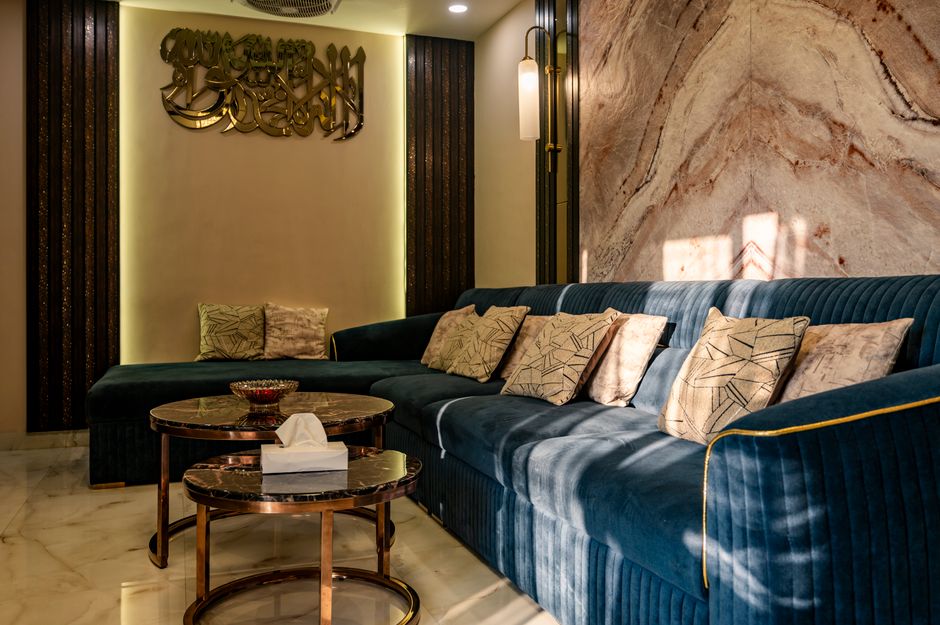
Consider using a similar color palette or lighting style in adjacent rooms to create visual continuity. For instance, if your living room features warm earthy tones, extend those hues into the dining area for a unified aesthetic.
Using Lighting to Highlight Color
Light can significantly enhance or alter the perception of color in a room. Use lighting to accentuate your chosen color palette:
- Install dimmers to adjust lighting intensity and highlight different colors at different times.
- Utilize LED strips to emphasize architectural features or colorful artwork.
- Choose bulbs with appropriate color temperatures to enhance the overall tone of the room.
By thoughtfully selecting lighting, you can showcase the beauty of your color choices and create an inviting home environment.
Adapting Trends to Nigerian Homes
Incorporating Global Trends Locally
While it’s tempting to follow global design trends, it’s important to adapt them to suit the Nigerian context. Here’s how:
- Look for eco-friendly and locally sourced materials that resonate with sustainable practices.
- Incorporate African prints and textures for a touch of cultural authenticity.
- Balance contemporary designs with traditional elements to create a unique look.
These adaptations ensure your home remains stylish while honoring cultural heritage.
Using Technology for Modern Living
Embrace smart home technologies to manage lighting and color schemes more efficiently. Automated lighting systems and color-changing LED bulbs can transform your space with the touch of a button.
"Technology is best when it brings people together." — Matt Mullenweg
Such innovations not only enhance convenience but also offer creative flexibility.
Conclusion
The interplay of color and lighting is a powerful tool in interior design, especially within the rich and diverse context of Nigerian homes. By understanding how these elements work together, you can create spaces that are not only beautiful but also functional and reflective of personal style.
Remember, the key is to strike a balance between contemporary trends and local influences, ensuring your home remains a true reflection of you. With these strategies, you’re well on your way to transforming your home into a sanctuary of color and light.
Embrace the journey of design, and enjoy the vibrant outcomes it promises.