Living in a small apartment in Nigeria can be a challenge, especially when it comes to creating a space that feels open and inviting. Whether you're in bustling Lagos or the quieter streets of Ibadan, maximizing your apartment's potential can greatly enhance your living experience. This guide explores practical interior design strategies that marry functionality with aesthetics, making your small space feel much larger than it is.
With the rise of urbanization, small living spaces have become the norm, leaving many grappling with how to make the most of their limited square footage. Fear not, as a well-thought-out approach can drastically improve your environment, making it both comfortable and chic.
By focusing on clever design principles and strategic use of furniture and lighting, we can transform even the tiniest apartment into a spacious haven.
Understanding Small Space Challenges
The Limitations of Space
Small apartments often come with limitations such as limited storage, minimal natural light, and awkward layouts. These can make the space feel cramped and less functional.
- Limited storage options can lead to clutter.
- Minimal natural light can make rooms feel smaller.
- Awkward layouts may hinder the flow of movement.
Importance of Strategic Design
Understanding the essentials of strategic design can turn these challenges into opportunities for creativity and innovation.
"A well-designed small space can feel larger, more welcoming, and highly functional."
Smart Furniture Choices
Multipurpose Furniture
Investing in multipurpose furniture is a game-changer in small spaces. These pieces can adapt to different functions, offering both utility and style.
- Sofa beds can serve as seating during the day and a bed at night.
- Ottomans with storage can hide away clutter while acting as extra seating or a coffee table.
- Wall-mounted desks free up floor space while offering a functional workspace.
Scale and Proportion
Choosing the right scale for your furniture ensures it doesn’t overpower the room. Look for slim, lightweight pieces that complement the room’s dimensions.
For example, instead of a bulky three-seater sofa, opt for a sleek loveseat that offers the same seating capacity without overwhelming the space.
Effective Use of Color and Lighting
Color Schemes for Small Spaces
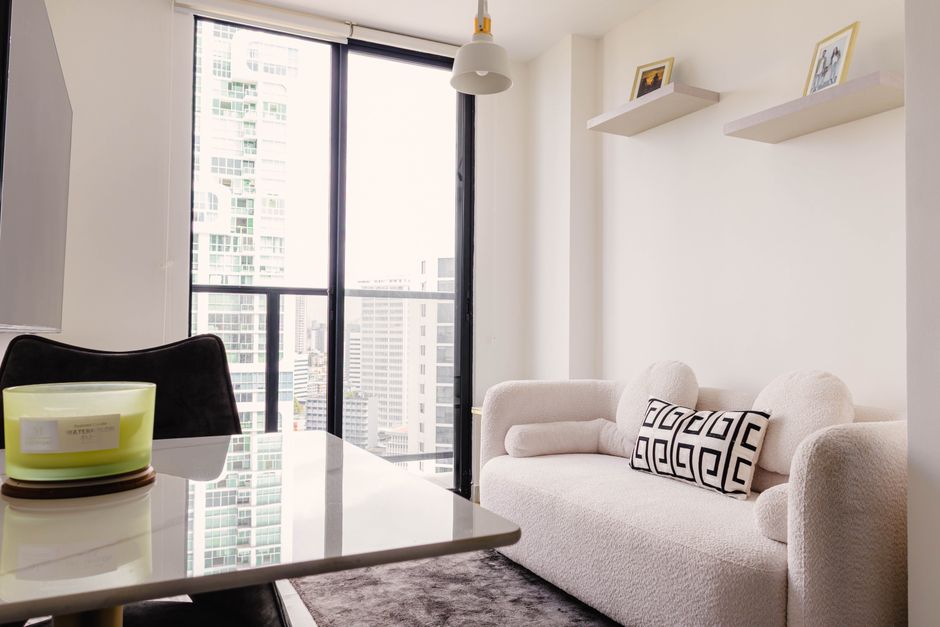
Color can dramatically affect how a space is perceived. Light, neutral colors can open up a room, making it feel airy and expansive.
- White or cream walls reflect light, making the space feel larger.
- Add pops of color through accessories like cushions or artwork to avoid a sterile feel.
- Consider monochromatic color schemes to create a seamless and cohesive look.
Lighting Techniques
Lighting is crucial in altering the perception of space. Here’s how you can use lighting to your advantage:
- Maximize natural light by using sheer curtains.
- Incorporate mirrors to reflect light and create an illusion of depth.
- Layer lighting with floor lamps, table lamps, and ceiling lights to add warmth and variety.
Optimizing Layout and Flow
Open Plan Living
An open-plan layout, where the kitchen, dining, and living areas flow into one another, can maximize space and enhance connectivity.
"Creating zones rather than separate rooms can enhance the functional flow of a small apartment."
Traffic Flow and Functionality
To maintain a comfortable and clutter-free environment, ensure there is a clear traffic path. Avoid blocking pathways with furniture and keep essential items within easy reach.
- Use rugs to define spaces without creating barriers.
- Opt for foldable dining tables to save space when not in use.
- Place furniture against walls to keep the center area open and accessible.
Decorative Strategies for Small Spaces
Vertical Storage Solutions
Utilizing vertical space is an effective way to enhance storage without encroaching on floor space.
- Install shelves or cabinets that reach the ceiling for extra storage.
- Use wall hooks for hanging bags, coats, or hats.
- Consider a tall bookcase to display books and decorative items.
Personal Touches
Your apartment should reflect your personality. Incorporate personal touches through art, photographs, and memorabilia.
These elements add warmth and character, transforming a generic space into a personal sanctuary.
Conclusion
Creating a spacious feel in a small Nigerian apartment is a matter of clever design, strategic furniture choices, and thoughtful décor. By focusing on maximizing every inch of space, harnessing the power of color and lighting, and maintaining a functional layout, you can make your home feel significantly larger and more inviting.
Remember, the goal is not just to fit everything you need but to do so in a way that creates a harmonious and enjoyable living environment. With these tips, your small apartment can become a charming and efficient home tailored to your lifestyle.