Creating a home that reflects your personality and style often begins with the right color and lighting choices. For many Nigerian homeowners, getting the perfect balance between vibrant colors and soothing lighting can turn an ordinary space into an extraordinary one. Whether you're redesigning your living room in Lagos or setting up a cozy nook in Abuja, understanding the principles of color and lighting will help you craft a space that not only looks good but feels just right.
In Nigeria, a country rich with diverse cultures and vibrant aesthetics, the choices you make in your home can be a reflection of this diversity. But how do you navigate through the vast sea of options available today? This guide will walk you through the essentials of color harmony, help you avoid common mistakes, and empower you with practical tips tailored for Nigerian homes.
Understanding Color Theory
Color theory is the foundation upon which great interior design is built. By understanding the basic principles, you can make informed decisions that enhance the beauty of your home.
The Color Wheel
The color wheel is a crucial tool for selecting colors that complement each other. It consists of primary colors (red, yellow, blue), secondary colors (green, orange, purple), and tertiary colors, which are combinations of primary and secondary colors.
- Complementary Colors: These are opposite each other on the wheel, like blue and orange. They create a vibrant contrast that's ideal for accent pieces.
- Analogous Colors: Situated next to each other, such as red, orange, and yellow, they provide a harmonious and pleasing look.
- Triadic Colors: Equidistant on the wheel, these colors like red, yellow, and blue, offer a balanced and lively palette.
Warm and Cool Colors
Colors are broadly categorized into warm (reds, oranges, yellows) and cool (blues, greens, purples) tones. Warm colors are invigorating and can make a space feel cozy, while cool colors offer a calming effect, ideal for bedrooms or study areas.
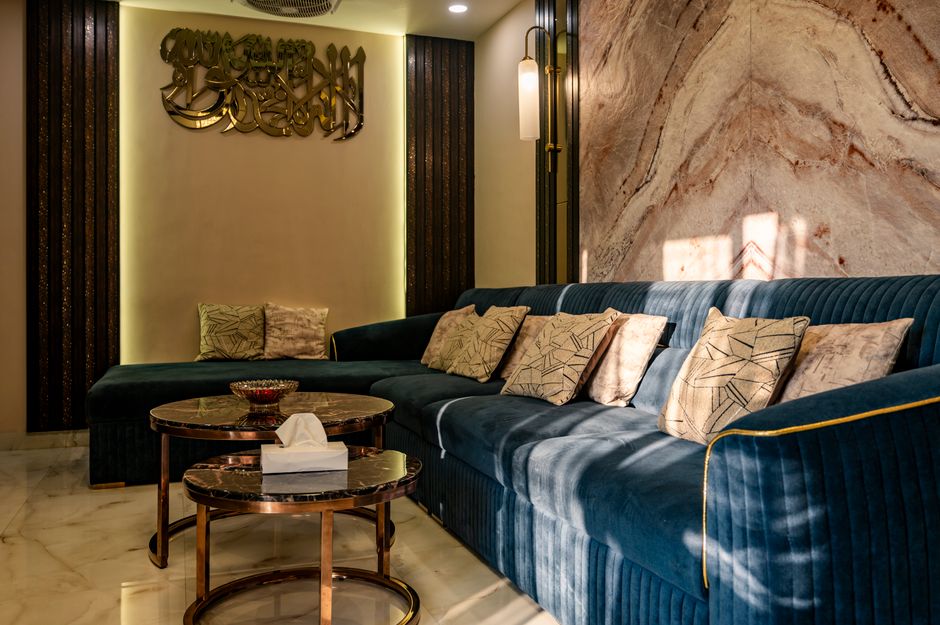
"Mixing warm and cool tones in a room can create dynamic visual interest and balance. Try pairing a cool blue wall with warm earthy accents for a refreshing contrast."
Choosing the Right Lighting
Once you've selected your colors, the next step is to ensure they're showcased in the best possible light. Lighting can dramatically influence the perception of color and the mood of a room.
Types of Lighting
There are three main types of lighting to consider: ambient, task, and accent lighting. Each serves a distinct purpose in your home.
- Ambient Lighting: This is the main source of light in a room, usually from ceiling fixtures. It provides a uniform level of illumination.
- Task Lighting: Focused lighting that enhances specific activities like reading or cooking. Think of desk lamps or under-cabinet kitchen lights.
- Accent Lighting: Highlights specific objects or architectural features. Use spotlights or wall sconces to draw attention to artwork or textured walls.
Natural vs. Artificial Light
Natural light can vary throughout the day and significantly impact how colors appear. South-facing rooms in Nigeria receive abundant sunlight, enhancing warm tones, while north-facing rooms might benefit from additional artificial lighting to compensate for the cooler light.
Practical Tips for Nigerian Homes
Integrating color and lighting effectively requires practical steps. Here are some tailored tips for Nigerian homes:
Embrace Local Influences
Nigeria's rich heritage can inspire your color choices. Consider earthy tones reminiscent of traditional mud houses or vibrant hues found in local textiles.
- Use Ankara or Aso Oke patterns for throw pillows or curtains to add a touch of culture.
- Incorporate wooden elements that echo the natural surroundings.
Consider Room Functionality
Each room serves a unique purpose, which should guide your color and lighting choices.
- Living Rooms: Opt for warm, inviting colors with ample ambient lighting to create a welcoming space for guests.
- Bedrooms: Choose calming cool tones with soft, layered lighting for a restful environment.
Experiment with Paint Finishes
The finish you choose can also affect the overall impact of color in a room.
- Matte Finishes: Ideal for bedrooms and living areas to minimize glare.
- Semi-Gloss Finishes: Great for kitchens and bathrooms due to their durability and ease of cleaning.
Common Mistakes to Avoid
While decorating, certain pitfalls can detract from the harmony of your space. Here are common mistakes to steer clear of:
Overlooking Scale and Proportion
When selecting furniture and decor, ensure they fit the space. Overly large or small pieces can disrupt the visual balance.
Ignoring Natural Light
Failing to account for the natural light can result in too much reliance on artificial lighting, which can alter the intended color palette.
"Always test paint samples in different light conditions before committing to a color. This can save you from costly mistakes later on."
Conclusion
Creating a harmonious living space through color and lighting is an art that, when mastered, can transform your Nigerian home into a personal oasis. By understanding the principles of color theory, choosing the right lighting, embracing local influences, and avoiding common mistakes, you'll be well on your way to crafting interiors that are both beautiful and functional.
Remember, your home is an extension of who you are. Let your creativity shine through every color choice and lighting decision you make.