Have you ever walked into a room and instantly felt at peace or, conversely, overwhelmed? Often, the culprit behind these feelings lies in the pair of underappreciated elements of interior design: color and lighting. These two aspects, when masterfully combined, have the power to revolutionize any space, making it not just livable but genuinely lovable. Whether you're in bustling Lagos or serene Benin City, understanding how to use color and lighting can be a game changer for your home. In this article, we will explore practical ways to harness these elements to transform your interiors, focusing on ideas that work brilliantly within the Nigerian context.
The Impact of Color in Interior Design
Colors are not just for aesthetics; they have psychological effects that can alter your mood and the room’s vibe. From the vibrant hues of traditional Ankara fabrics to the serene tones of the Nigerian landscape, your palette choices can deeply influence the atmosphere of your home.
Choosing the Right Colors
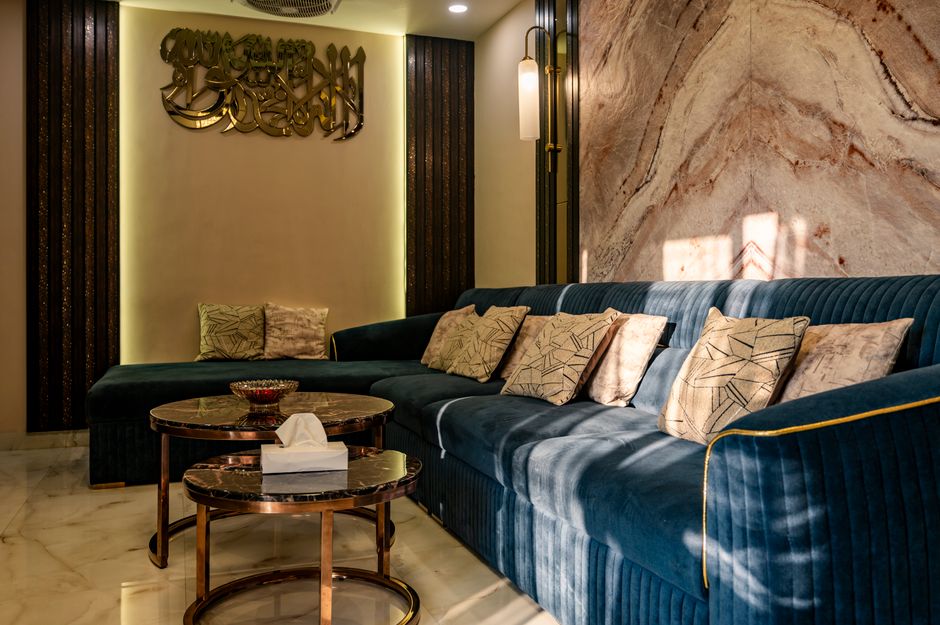
- Warm Colors: Reds, oranges, and yellows can create a cozy and inviting atmosphere, perfect for living rooms and dining areas.
- Cool Colors: Blues and greens are ideal for creating a calming environment, making them great for bedrooms or personal spaces.
- Neutral Shades: These provide a great base, allowing for flexibility and the introduction of accent colors through accessories.
Imagine how a soft teal wall can bring tranquility to your bedroom, or a bright yellow door can welcome guests with warmth and cheerfulness.
The Cultural Influence
In Nigeria, colors often carry cultural significance. Using traditional motifs and hues can make your home resonate with personal and cultural identity. You could opt for earthy tones inspired by the rich soils of the Jos Plateau or the sophisticated elegance of indigo from the Yoruba adire cloth.
Lighting: The Unsung Hero
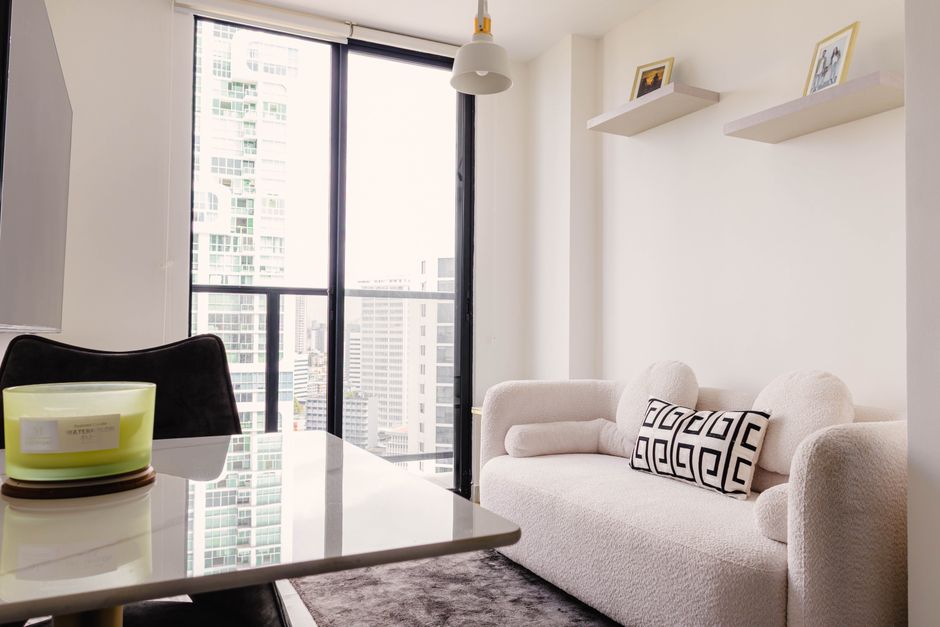
Lighting sets the mood of a room and can make or break your chosen color scheme. A well-lit room feels airy and open, while poor lighting can make even the most colorful space feel drab.
Layered Lighting Techniques
- Ambient Lighting: The primary source of light in a room, often provided by ceiling fixtures. Consider energy-saving LED bulbs to mimic natural daylight.
- Task Lighting: Essential for workspaces or reading corners; desk lamps or under-cabinet lights can provide focused illumination.
- Accent Lighting: Used to highlight architectural features or artwork, adding depth and interest to a room's design.
"Good lighting can transform a space from a stark white cube to a warm, inviting sanctuary."
Maximizing Natural Light
In a tropical country like Nigeria, taking advantage of abundant natural light is key. Consider using sheer curtains to allow sunlight in while maintaining privacy, or strategically placing mirrors to reflect light throughout the space.
The Dance Between Color and Lighting
The interplay of color and lighting is where the magic happens. A color might appear different under various lighting conditions, so it’s essential to test your color choices under the lighting expected in that room.
Light and Color Interaction
For instance, a bold red might look fantastic in bright natural light but could become overpowering under dim artificial light. Soft pastels, on the other hand, can appear washed out if not properly lit.
Practical Tips for Harmonizing
- Pair warm lighting with warm colors for a cohesive feel.
- Use dimmer switches to adjust lighting levels to suit different occasions and moods.
- Opt for color-changing LED bulbs for flexibility in setting the right ambiance.
Applying These Principles in Nigerian Homes
Given Nigeria’s diverse climate and cultural nuances, the approach to color and lighting should be both functional and expressive.
Adapting to Climate
In the hot and humid regions, cooler colors combined with ample natural light can create a refreshing retreat. Conversely, in cooler highland areas, warm colors and cozy lighting can add much-needed warmth.
Cultural Reflections
Embrace local craftsmanship and artisanship by incorporating traditional crafts that work well with your color and lighting choices. Handwoven baskets or pottery can serve as both decorative and functional elements.
Conclusion
Color and lighting, while often overlooked, are pivotal in shaping the ambiance and functionality of your home. When thoughtfully combined, they can transform any Nigerian home into a sanctuary that is both beautiful and deeply personal. Remember, interior design is not just about trends but about creating a space that reflects who you are and makes you feel at home. Don’t be afraid to experiment with color palettes and lighting schemes until you find the perfect balance that speaks to you.